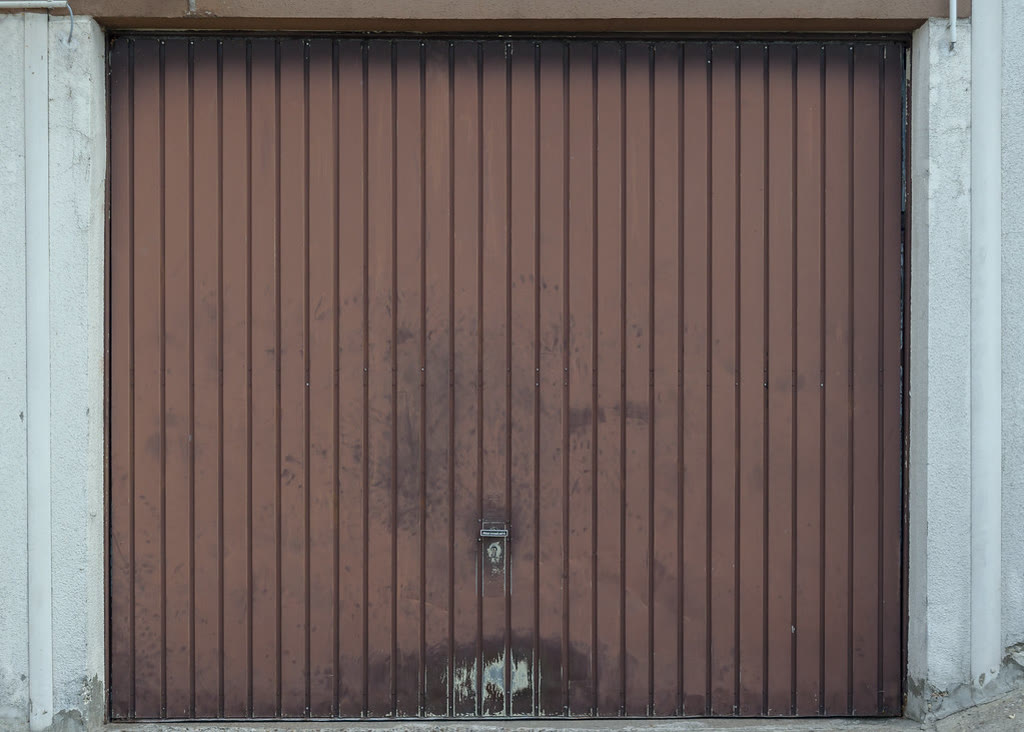
A garage door is often the largest uninterrupted surface on the front of a house, yet people rarely think of it as an architectural feature. During daylight, its panels, paint color, and surrounding trim blend into the broader facade. After sunset, one poorly aimed fixture can turn that same door into a bright rectangle that dominates everything around it. The entrance, windows, and landscaping suddenly seem less important.
That change helps explain why architectural accent lighting needs to account for the garage as carefully as the front porch. The door’s size makes it visually influential, even when the intention is to illuminate a small feature nearby. Light can reveal panel patterns, flatten decorative details, or cast strong shadows that make the whole front elevation feel unbalanced.
For a homeowner considering a nighttime exterior plan with Astoria Lighting Co, a useful starting point is a photo of the house taken straight from the street. The garage door’s share of that picture tells you something a close-up of an attractive fixture cannot: whether illuminating the door will support the house’s design or compete with its main entrance.
A Large Bright Surface Changes Where the Eye Goes
Our attention naturally moves toward contrast. A broad pale door under strong lighting can become the brightest object in the scene, especially when the surrounding brick or siding remains dark. Even an ordinary white garage door may look enormous when its full surface reflects light and neighboring features disappear.
The reverse can happen with a dark door. If the lighting illuminates only its trim, the center may become a black rectangle. That can make the garage seem deeper or more imposing than it looks during the day. Neither effect is necessarily wrong. The question is whether it fits the visual hierarchy of the house.
Decide what should be noticed first
For many homes, the front entry should remain easy to recognize. If visitors first see a glaring garage door and have trouble identifying the walkway or entrance, the lighting balance deserves reconsideration. Try evaluating the house from the sidewalk, where a visitor would actually arrive, rather than standing beneath the fixtures.
This is not a call to leave garages in darkness. Exterior lighting may be important for walking, driving, and everyday use. The goal is to distinguish practical illumination from decorative emphasis so the two do not work against each other.
Panel Styles React Differently to Directional Light
A plain flush door behaves differently from one with raised rectangular panels, horizontal grooves, or a carriage-house pattern. Light grazing across raised details can create alternating bright edges and dark recesses. From a distance, the pattern may become the most prominent texture on the property.
A fixture centered above the opening can also produce an uneven gradient, with the top noticeably brighter than the bottom. On a tall garage door, the lower sections may remain in shadow. Adding more fixtures without changing their position could produce separate pools of light instead of a smooth appearance.
The finish matters as much as the pattern
Glossy paint, metallic finishes, and glass inserts can reflect direct light toward the driveway. A matte surface usually creates a softer reflection, though color and surface texture still matter. Wet doors can look more reflective than dry ones, so an evening assessment after rain may reveal glare that was not obvious during a dry-weather test.
A homeowner exploring architectural accent lighting should also check whether a beam strikes decorative windows across the top of the door. Reflections can become distracting from certain positions, particularly when a fixture is aimed nearly straight at the glass.
The Garage Can Make the Front Entrance Seem Smaller
On houses with attached two-car garages, the front door may occupy only a narrow section of the same elevation. If the garage receives noticeably more light, the front entrance can lose its importance. Porch columns, entry trim, or a nearby tree may look insignificant beside the luminous door.
Sometimes the correction is not to dim the garage dramatically, but to give the entrance a clearer visual role. A well-controlled light at the doorway and a gentle highlight on an existing architectural feature can help distribute attention. The effect should still be comfortable for someone approaching on foot.
This is the sort of proportional question worth raising in an Astoria Lighting Co design discussion: from the street, does the garage read as one part of the home, or does it become the entire nighttime facade? Framing the issue that way is more useful than requesting “more lights” without deciding where the eye should settle.
Fixture Placement Has Practical Limits
Within architectural accent lighting, the garage cannot be treated solely as a decorative surface. The door moves through tracks, hinges, rollers, and an overhead clearance area. Any added fixtures, cables, or mounting hardware must stay out of that working space. A decorative attachment should not interfere with a door’s travel, its safety sensors, or access to mechanical components.
Mounting directly to the door is particularly sensitive because the surface itself moves. Unless a product and installation method are specifically designed and approved for that application, stationary wall or surrounding architectural locations are generally more appropriate places to evaluate. Qualified professionals should determine safe clearances and electrical routing.
Remember the driveway viewpoint
A beam that looks pleasant while standing beside the garage may shine toward drivers as they enter or reverse out. Strong glare can make the transition between the dark driveway and illuminated area uncomfortable. Check the lighting from normal driving positions while safely parked, and evaluate nearby walkways and steps independently.
Light spilling through neighboring windows matters too. A fixture angled outward to brighten the entire driveway may illuminate spaces that do not need it. Appropriate shielding, aiming, and separate controls can help keep illumination directed toward useful areas.
Test the Door With the Other Exterior Lights On
An isolated demonstration can be misleading. If every other exterior fixture is switched off, almost any new garage light will appear dramatic. But the finished scene includes porch sconces, path lights, possibly roofline lighting, and spill from nearby rooms.
The most revealing test is the ordinary evening setup. Turn on the fixtures that would normally operate together and compare the garage with the entrance and adjacent facade. If the door still dominates, adjust the balance before assuming that more equipment will solve the problem.
For a proposal being evaluated with Astoria Lighting Co, a paired set of photographs can help: one showing the existing house after dark and another showing the intended fixture positions. The comparison should focus on changes to the whole elevation, not just how attractively one panel catches light.
Do Not Overlook Maintenance and Everyday Use
Garage doors collect dirt, tire dust, and water marks. Raking light can reveal those marks more clearly, just as it reveals decorative panel grooves. A highly textured door may produce impressive shadows while freshly cleaned, then look uneven after ordinary use. The practical response is not constant cleaning, but selecting an amount and direction of light that suits the surface realistically.
Keep fixtures accessible for service and avoid obstructing weather seals, trim repair, or future door replacement. If a new garage door is planned, it may be sensible to finalize its finish and panel style before committing to a decorative lighting pattern. A design developed for smooth white panels may look quite different on dark, heavily textured replacements.
Let the Garage Support the House’s Nighttime Character
A garage door can be illuminated without becoming the main attraction. Good architectural accent lighting considers how much of the facade the door occupies, how its surface reflects light, and whether surrounding features retain their importance. It also respects the door’s movement, driveway visibility, and maintenance needs.
If Astoria Lighting Co is helping shape the exterior lighting concept, the garage is worth discussing as part of the entire front elevation rather than as a separate rectangle to brighten. That wider perspective makes room for a useful driveway, a recognizable entrance, and a nighttime appearance that still feels like the same house people see during the day.