
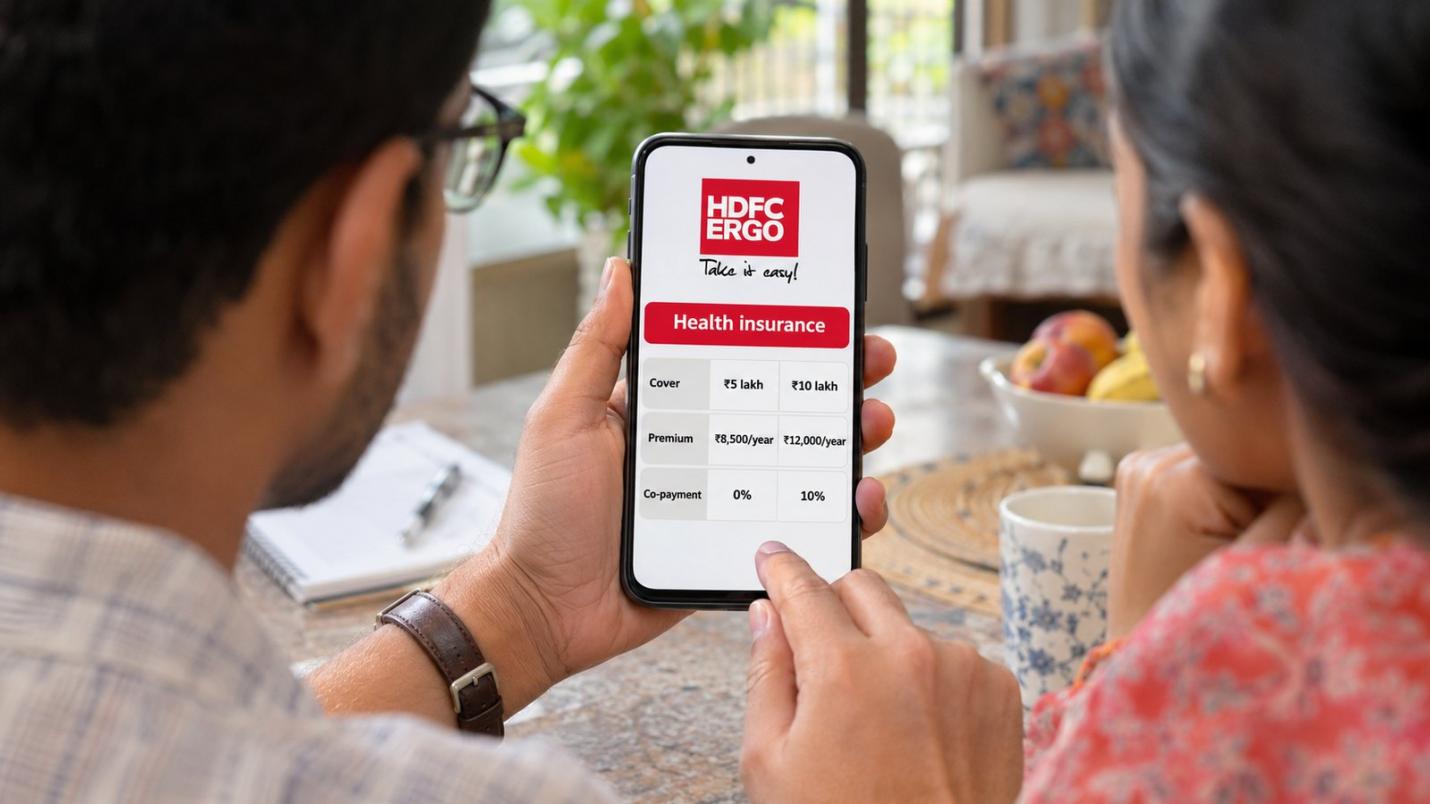
Two friends of the same age apply for health insurance. One receives a lower premium, while the other gets a higher quote. Does that mean someone is being charged unfairly? Not necessarily. Age is one part of the price.
Insurers look at medical history, lifestyle, residential location and the cover each person selects. Healthy people may receive different quotes if their policy features differ. Knowing what affects the premium helps you understand the amount you are being asked to pay.
Why Your Health Details Matter
Your medical history and daily habits can influence how insurers calculate your health insurance premium.
Existing Illnesses and Medical History
When adults apply for personal health insurance plans, insurers may review their medical history, existing illnesses and previous treatments. These details can affect the premium, depending on the insurer's rules.
- Existing Illnesses: Conditions such as diabetes or high blood pressure may affect the premium.
- Previous Treatments: Past surgeries or hospital stays may be considered during medical review.
- Current Medicines: Regular medication may lead to additional questions about your health.
- Premium Loading: Insurers may charge an additional premium based on certain medical conditions.
Always share accurate medical information, even when your health condition is under control.
Lifestyle and Work
Health history is not the only personal detail that matters. Depending on the insurer's rules, the following may also affect the quote:
- Tobacco use: Smoking or chewing tobacco may increase the premium.
- Body measurements: Height and weight can be considered during medical review.
- Occupation: A physically risky job may lead to additional questions.
The insurer might also request medical tests before confirming the final premium.
How Your Cover Changes the Price
Two adults with similar health details can pay different amounts because they select different benefits.
- Sum insured: Higher cover generally means a higher premium.
- Room rent limits: Fewer restrictions may affect the price.
- Co-payment: Paying part of an eligible claim yourself may reduce the premium.
- Add-ons: Extra benefits usually come at an additional cost.
A person may also buy a critical illness insurance policy alongside hospital cover. This generally pays a fixed amount when a listed serious illness meets the policy conditions.
Why Your PIN Code Can Matter
Health insurance premiums may differ depending on where you live. Medical treatment costs are generally higher in some cities, and insurers may consider this while calculating premiums. Some companies divide locations into pricing zones.
- Metro Cities: Residents of cities such as Mumbai or Delhi may pay higher premiums due to treatment costs.
- Smaller Cities: People living in smaller towns may receive lower quotes, depending on the insurer's pricing rules.
- Location-Based Zones: Insurers may have different premium rates for different regions.
- Correct Address: Always provide your actual residential PIN code to avoid problems later.
Why Insurers May Offer Different Quotes
Every insurance company follows its own pricing rules, coverage terms and medical review process. Therefore, two insurers may quote different premiums for the same person, even when the sum insured is similar.
- Pricing Rules: Each insurer uses its own method to calculate premiums.
- Coverage Benefits: Plans offering additional benefits may cost more.
- Medical Review: Health conditions and medical test results may affect the final premium.
- Available Discounts: Eligible discounts can reduce the amount payable.
- Policy Duration: The selected policy term and applicable discounts may influence the total premium.
What to Check Before Paying
When your quote is higher than someone else's, find out what caused the difference before changing your cover.
- Ask whether a medical loading has been applied.
- Check the sum insured, room limits and co-payment.
- Read waiting periods, exclusions and any special conditions.
- Confirm your medical details and address are recorded correctly.
- If the insurer changes the premium after medical review, request a clear written explanation.
Is the Cheaper Premium Always Better?
No, a cheaper plan may have room restrictions or co-payments that leave you paying more during hospitalisation. A higher premium does not always mean wider benefits either.
Look at the treatment expenses the plan covers, the hospitals available for cashless care and the amount you may need to pay yourself. What matters is whether the policy meets your needs when you actually use it.
Final Thoughts
Two single adults of the same age may still pay different health insurance premiums because their medical history, lifestyle, location and chosen benefits are not always alike. Insurers also follow different pricing rules, which can affect the final amount. Instead of focusing only on the premium, understand what your policy covers, check any limits and share accurate details. The right cover should suit your health needs and budget over time.