You’re ordering ice cream, planning a pizza night, or writing a menu, and the word comes out two ways in your head. If you’ve ever searched neapolitan vs neopolitan, here’s the quick answer: “Neapolitan” is the correct spelling. “Neopolitan” is a very common mistake.
Where the word comes from
Neapolitan means “from Naples,” the big city in southern Italy. The Italian name of the city is Napoli, and the English word follows an older Greek-and-Latin form, “Neapolis,” meaning “new city.” That “Nea-” at the start is the same root you see in other words, so the spelling goes N-E-A-P-O-L-I-T-A-N.
Notice the “Nea-,” not “Neo-.” People often assume it’s “neo” because that prefix is so familiar from words like “neon” and “neoclassical.” It looks right and sounds almost the same, so the error is easy to make.
What people actually mean by it
Most of the time, you’re using the word in one of three situations.
- Neapolitan ice cream. The classic striped block of chocolate, vanilla and strawberry. It’s called that because early Italian immigrants in the United States helped popularize layered ice cream, and the name stuck.
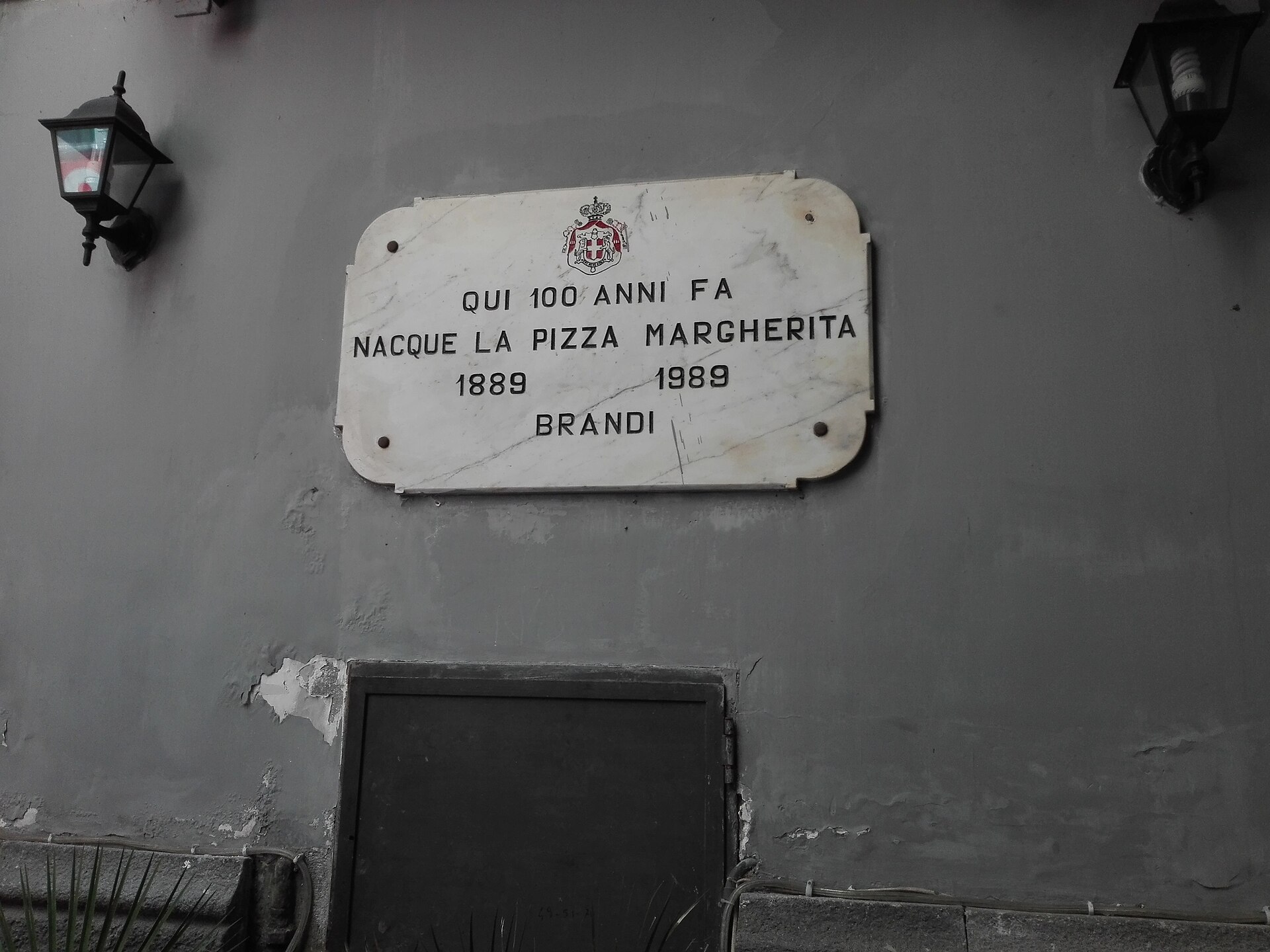
- Neapolitan pizza. The soft, thin-crust pizza from Naples with a puffy edge, usually topped with tomato, mozzarella and basil. It’s a protected tradition, and traditional makers follow strict rules about dough and baking.
- A person or thing from Naples. Neapolitan can also describe the city’s people, dialect, music or food, as in “a Neapolitan song.”
Why “neopolitan” feels natural
There are two reasons the wrong spelling spreads. First, “neo” is a common prefix, and brains like familiar patterns. Second, in speech, the middle vowel is often softened, so “nee-uh-POL-i-tan” can easily become “nee-oh-POL-i-tan” in your head. Because the words sound alike, spell checkers sometimes won’t flag the error, especially if the wrong form has been typed on a lot of menus.
A simple trick to remember
Think of “near.” Naples sits near the sea, and “Nea” starts with the same letters as “near.” It’s not a perfect rule, but it’s easy to hold in your head, and it pushes you toward the right vowel pair: E, then A.
Another approach is to remember the pizza. Pizza Napoletana and Neapolitan both start with the same sound as Naples. If you can spell “Naples” with an “a” at the start, you’ll lean toward “Nea.”
Capital letter or not?
Because it comes from a place name, “Neapolitan” is normally capitalized. That’s the standard in most dictionaries, and it applies when the word means “of Naples” or when it’s part of a food name. Some food writers drop the capital for general phrases like “neapolitan ice cream,” and you’ll see both on menus. In formal writing, capitalizing is the safest choice.
Spotting it on menus and labels
Walk through a grocery store and you’ll probably find the wrong spelling on at least one box or sign. Small bakeries and cafes often copy each other, so a typo can travel from menu to menu. If you run a food business, it’s worth checking your printed materials once, because customers do notice. A correct spelling also helps people find you when they search for it online.
Double-checking other tricky words
If you want a quick reference for other look-alike spellings, compairro.com has short explainers that are easy to scan. It’s the kind of thing you check once, and then remember the next time you write a menu or a message.
The takeaway
Neapolitan, with “nea,” is the right spelling. Neopolitan is a misspelling that creeps in because of the familiar “neo” prefix. Remember Naples, keep the capital letter when you can, and you’ll get it right every time you write about pizza, ice cream or the city itself.