Having straight and healthy teeth can make a positive difference to both oral health and personal confidence. However, not everyone naturally has properly aligned teeth. Crowding, gaps, uneven spacing and bite problems are common dental concerns that may affect the appearance and function of a smile. Dental braces offer an effective way to address these issues by gradually moving teeth into better positions.
For individuals considering dePacific Dental braces in Singapore, understanding the available treatment options and what the orthodontic process involves can help make the decision easier. Modern orthodontic treatments provide different solutions to suit individual dental conditions, preferences and budgets. Whether someone wants to correct crowded teeth or improve their bite, professional dental advice is important when choosing a suitable treatment.
Dental braces are not only about achieving an attractive smile. Proper alignment can also make teeth easier to clean, improve chewing function and support better long-term oral health.
Understanding How Dental Braces Work
Dental braces are orthodontic devices designed to correct the position of teeth and improve the alignment of the jaws. They work by applying controlled and gentle pressure to selected teeth over time. This encourages the teeth to move gradually into their planned positions.
The treatment process requires patience because teeth cannot be moved into their final positions immediately. The amount of time needed depends on the complexity of the dental condition, the type of braces selected and how well the patient follows the orthodontist's instructions.
Braces can address several concerns, including crowded teeth, gaps, overbites, underbites and crossbites. These conditions can affect how the upper and lower teeth meet when biting or chewing.
Correcting these problems can improve the overall balance of a person's smile. It may also make daily oral hygiene easier by reducing areas where food particles and plaque can collect.
Different Types of Dental Braces Available
There are several types of braces available, allowing patients to consider different treatment methods based on their dental needs and personal preferences.
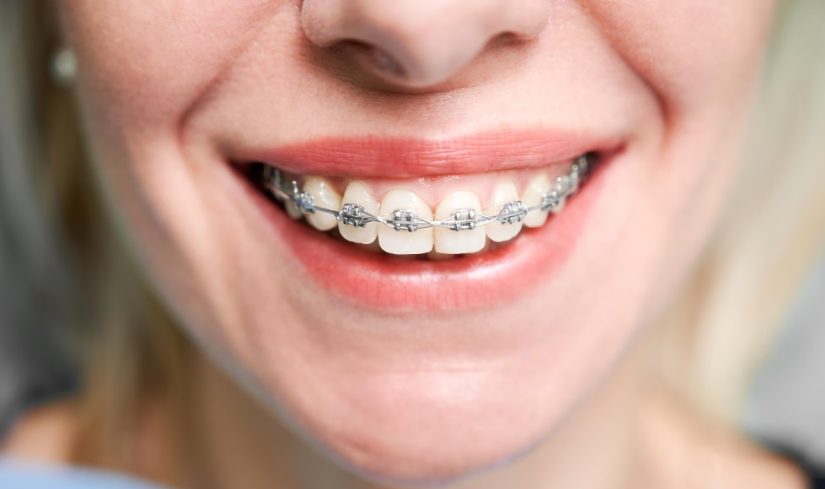
Traditional metal braces remain a widely used option. They consist of small metal brackets attached to the teeth and connected by a wire. The orthodontist adjusts the wire during regular appointments to guide the teeth towards their intended positions.
Metal braces are suitable for many orthodontic conditions and provide reliable control over tooth movement. Although they are more noticeable than some alternatives, they are often selected because of their effectiveness and practical design.
Ceramic braces work in a similar way but use brackets that are clear or tooth-coloured. This makes them less noticeable than traditional metal braces. They can be a suitable choice for people who want orthodontic treatment without having highly visible brackets.
Lingual braces are another option. Instead of being attached to the front surfaces of the teeth, they are fitted behind them. This makes the braces less visible when smiling or speaking. However, their placement may require an adjustment period, and not every patient is suitable for this treatment.
Clear aligners provide a different approach to orthodontic care. They consist of removable, transparent trays designed to move teeth gradually. Patients receive a series of aligners that are changed according to their treatment schedule. They can be removed when eating, drinking anything other than water and brushing. However, they must be worn for the recommended number of hours each day to achieve the intended results.
What to Expect During Orthodontic Treatment
The first step towards getting braces is a consultation with a qualified dental professional. During this appointment, the dentist or orthodontist examines the teeth, gums and bite to understand the patient's dental condition.
The assessment may involve dental X-rays, photographs, digital scans or impressions. These records help the practitioner evaluate tooth positions and develop an appropriate treatment plan.
Once the assessment is complete, the dentist explains the recommended treatment options, expected duration and associated costs. Patients should use this opportunity to discuss their concerns and ask questions about the proposed approach.
When traditional braces are selected, the brackets are attached to the teeth using dental adhesive. A wire is then placed through the brackets to apply controlled pressure. The fitting process is generally straightforward, although patients may experience some discomfort as they become accustomed to the appliance.
Regular appointments are necessary throughout treatment. During these visits, the orthodontist checks tooth movement and makes adjustments when required. Attending scheduled appointments helps ensure that treatment progresses according to the plan.
Taking Proper Care of Braces
Good oral hygiene is especially important when wearing braces. Brackets and wires create additional areas where food particles and plaque can become trapped. Without proper cleaning, this can increase the risk of tooth decay, gum irritation and white marks on the enamel.
Patients should brush carefully after meals whenever possible. A soft-bristled toothbrush or orthodontic toothbrush can help clean around brackets and along the gumline. Interdental brushes are also useful for reaching smaller spaces around the wires.
Flossing should remain part of the daily oral hygiene routine. Special flossing tools can make it easier to clean between teeth while braces are in place. Following the dentist's cleaning recommendations helps maintain healthier teeth and gums throughout treatment.
Dietary choices also matter. Hard foods such as ice and hard sweets can damage brackets or wires. Sticky and chewy foods may become trapped around the braces and make cleaning more difficult. Cutting certain foods into smaller pieces can help reduce unnecessary pressure on the appliance.
Patients should also attend regular dental check-ups to monitor their general oral health and address any concerns during treatment.
Choosing the Right Dental Clinic
Selecting a suitable dental clinic is an important part of the orthodontic journey. Patients should look for qualified professionals with appropriate training and experience in orthodontic treatment.
A good clinic should provide clear explanations about available braces, treatment procedures and expected outcomes. Patients should understand the advantages and limitations of each option before making a decision.
The overall treatment experience is another consideration. Friendly staff, clear communication and a comfortable clinical environment can help patients feel more confident during consultations and follow-up visits.
Cost transparency is equally important. Before starting treatment, patients should ask about consultation fees, braces costs, adjustment appointments, retainers and any additional charges that may apply.
Choosing a treatment based on professional advice rather than appearance or price alone can help patients make a more suitable decision.
The Benefits of Braces Beyond Appearance
A straighter smile can improve confidence, but orthodontic treatment also offers important functional benefits. When teeth are properly aligned, brushing and flossing may become easier because there are fewer difficult-to-reach spaces.
Correcting bite problems can also improve how the teeth meet during chewing. This may help reduce uneven pressure on certain teeth and limit unnecessary wear.
Some patients may also experience improvements in speech or chewing comfort, depending on the dental condition being treated. However, the results vary, and braces are not a guaranteed solution for every jaw or speech-related concern.
Maintaining good oral hygiene after treatment remains essential. Patients are usually advised to wear retainers to help keep their teeth in their corrected positions. Following these instructions supports the long-term results of orthodontic treatment.
Making an Informed Decision About Dental Braces
Dental braces provide a practical solution for people who want to improve tooth alignment and address certain bite problems. With different treatment options available, patients can discuss their preferences and dental requirements with a qualified professional.
Understanding the treatment process, maintaining good oral hygiene and attending regular appointments are all important parts of achieving successful results. Patients should also consider the overall cost, expected treatment period and responsibilities involved before beginning.
Ultimately, orthodontic treatment is an investment in both dental function and appearance. With appropriate professional guidance and consistent care, braces can help create a healthier, more balanced smile that patients can maintain with confidence.