
Key Takeaways
- Plan the hot tub area around household needs and regular use.
- Choose an accessible location with privacy and wind protection.
- Measure the delivery route, tub footprint, and service clearances.
- Prepare a stable, level base that supports the filled spa.
- Arrange safe electrical work, water access, and proper drainage.
- Use slip-resistant paths and adequate lighting for year-round access.
- Choose practical features that match your lifestyle and budget.
- Follow a consistent water-care and maintenance routine.
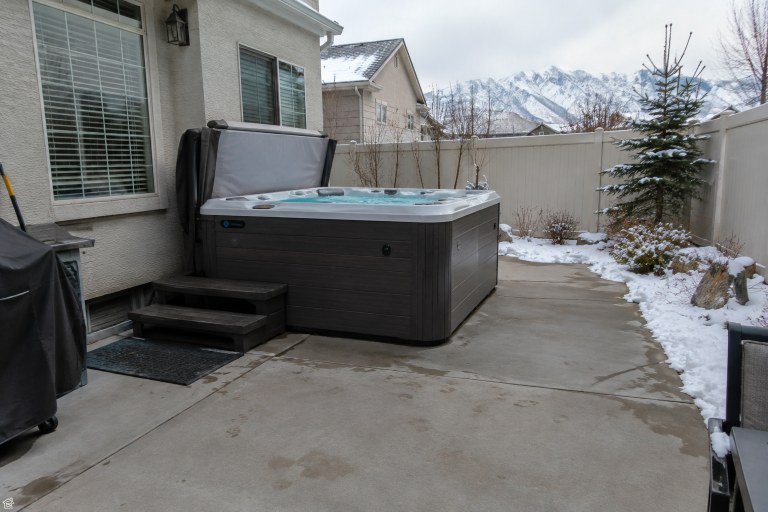
A well-planned hot tub area can make a Salt Lake City backyard feel useful in every season, from crisp fall evenings to snowy winter nights and dry summer mornings. Whether you are considering an above ground spa in Salt Lake City or upgrading an existing patio, the best results come from planning the entire experience, not simply choosing a tub. Utah’s sun, winter weather, temperature swings, and occasional wind all affect where a hot tub will feel most comfortable. A smart layout considers the walk from the house, privacy from neighbors, drainage, equipment access, and the routine required to keep the water clean and ready to use.
Start With How You Will Use the Space
Begin with the people and routines the space needs to support. A couple seeking a quiet place to unwind may prefer a sheltered corner with soft lighting and a nearby towel rack. A household that expects to host friends may need more deck space, extra seating, and a clearer route from the kitchen or patio. Think about winter use early. A tub with a dramatic mountain view may look ideal on paper, but it can become less inviting if the walk is long, winding, or icy. Place daily comfort above appearance alone.
Choose the Right Location
The best location is usually close enough to the home for easy access while still feeling separate from indoor life. Look for a site with reasonable privacy, a pleasant view, and protection from prevailing wind. Avoid low areas where runoff or melting snow may collect around the base. Also consider the cover and equipment cabinet. The tub needs sufficient clearance around it for cover removal, safe entry, cleaning, and future service work. Do not tuck it so tightly against a fence or wall that a technician cannot reach the access panels.
Measure the Entire Hot Tub Zone
The manufacturer’s width and length are only the beginning. Measure the tub, steps, cover swing, walking space, nearby seating, towel storage, and clearance around service panels. Mark the proposed footprint with tape, chalk, or a garden hose so the space is easier to picture at full scale. Measure the delivery route too. Gates, side yards, tree branches, stairs, fences, and tight corners can all affect whether a spa can reach its final location without extra planning.
Prepare a Strong, Level Base
A filled hot tub is heavy, so it needs a level surface capable of supporting its load. Common options include a properly prepared concrete pad, compacted gravel with an appropriate finished surface, an engineered spa pad, or an existing patio that has been evaluated for condition and level. A deck may be suitable only after a qualified professional has reviewed its structure. Grass, loose soil, and uneven ground are poor choices because settlement can over time affect the tub, plumbing, and cover operation.
Plan Power, Water, and Service Access
Electrical requirements differ by model, so confirm the manufacturer’s specifications before selecting the final site. A licensed electrician can determine the appropriate circuit, disconnect the equipment, and ensure code-compliant installation. Never build a plan around extension cords or improvised outdoor wiring. Salt Lake City regulates residential spas and related electrical work, so review the city’s private residential pool and spa requirements before construction begins. Also confirm water access, drainage plans, property setbacks, and any neighborhood rules that may apply.
Make the Route Safe and Convenient
A short, clear route is one of the most valuable features of a year-round spa space. Use durable, slip-resistant walking surfaces and provide lighting that makes steps, changes in elevation, and wet areas easy to see. Keep hoses, planters, toys, and loose furniture out of the path. For Salt Lake City winters, plan where to pile snow so it does not block the walkway or drainage route. A small bench, landing, or hook area near the door can make towels, robes, and footwear easier to manage.
Build In Privacy and Weather Protection
Privacy does not have to mean enclosing the entire area. Fencing, latticed screens, evergreen planting, pergolas, and partial walls can define the space while preserving airflow and daylight. Choose moisture-resistant materials and allow room to maintain plants, clean screens, and remove snow where needed. A well-placed windbreak can make a major difference during colder months. Aim to block the strongest exposure without creating a cramped, poorly ventilated enclosure. Keep the lighting low and directed downward so the setting feels calm without casting light into neighboring yards.
Select Features That Fit Your Routine
Choose practical features before decorative upgrades. Compact models can suit smaller yards and quieter use, while larger jetted tubs may work better for regular entertaining. Plug-in options can simplify some installations, though their electrical and heating capabilities vary by model. Exercise-focused designs may appeal to households that want both water movement and relaxation. Before buying, sit in the model if possible. Check seat depth, legroom, entry height, controls, and how easily the cover lifts. A tub that looks impressive but feels awkward for its users will not deliver the same long-term value.
Create a Simple Maintenance Plan
Maintenance is easier when supplies are stored close by in a dry, organized location. Establish a routine for testing water, cleaning the shell, checking the cover, and inspecting filters. Follow the manufacturer’s instructions for water care, filter replacement, and draining intervals. Regular testing and filter care support a safer soaking environment. The steps for properly operating hot tubs include monitoring disinfectant and pH levels and replacing filters according to manufacturer guidance. Keep a simple log of water care, repairs, and unusual pump or heater sounds.
Avoid Common Planning Mistakes
- Choosing the site before measuring the delivery route.
- Forgetting clearance for the cover and service panels.
- Assuming an existing deck can carry the filled tub.
- Placing the spa too far from the house.
- Ignoring drainage, snow storage, and runoff.
- Using lighting or wiring not intended for outdoor conditions.
- Skipping permit, electrical, or neighborhood reviews.
- Buying based only on appearance or jet count.
Final Planning Checklist
- Identify the primary users and purpose of the hot tub.
- Choose a location that is accessible year-round.
- Measure the tub, cover, steps, paths, and delivery route.
- Confirm the base is level and designed for the load.
- Plan compliant electrical work, water access, drainage, and service clearance.
- Add privacy and wind protection without sacrificing usability.
- Create a realistic maintenance routine before installation.
A comfortable backyard hot tub space in Salt Lake City comes together when the layout supports real life. A stable base, a convenient path, a protected setting, accessible equipment, and a manageable care routine can turn a spa area into a place the household enjoys year-round.