

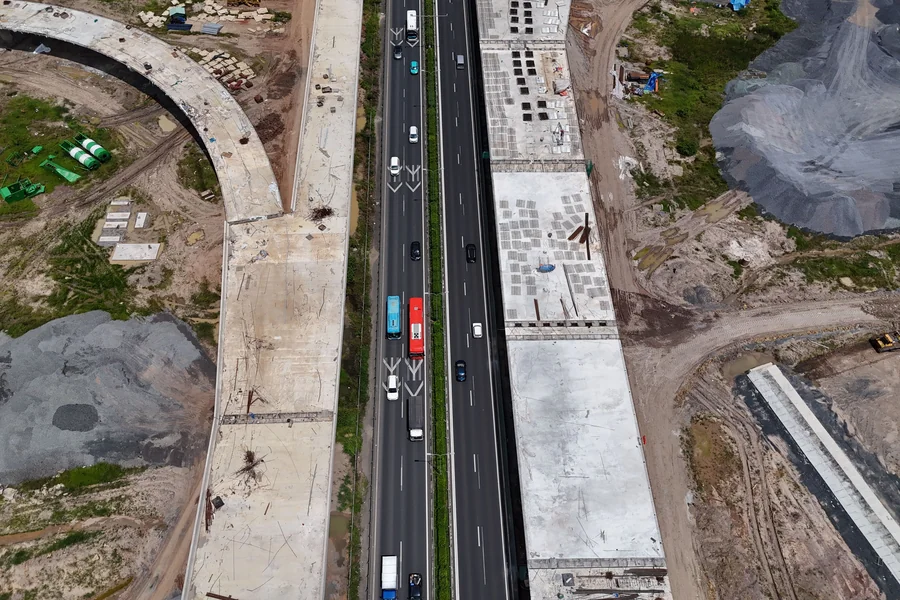
Building a new residential subdivision well takes more than good roads and solid drainage, it takes getting the order right. For road construction companies in Melbourne working across the city’s growth corridors, sequencing has become as important as the civil works themselves, since even a well-designed subdivision can run into real trouble if its infrastructure is built in the wrong order.
Why Sequencing Is a Formal Requirement, Not Just Good Practice
This isn’t simply industry wisdom passed down informally, it’s built directly into how Victoria’s growth areas are engineered. The state’s own guidance for subdivision construction in growth areas explicitly requires managing the sequence of development so that essential services are available at the right point in construction, rather than left to catch up after the fact. Getting this sequencing right is treated as a core engineering requirement, not an afterthought layered on top of the actual construction work.
This makes sense once you consider what’s actually happening on a large subdivision site. Access roads, drainage infrastructure, utility connections, and eventually private driveways and landscaping all need to go in during a specific window, and getting that window wrong creates problems that ripple through the rest of the project.
What Happens When Access Roads Come Too Late
Construction traffic is heavy, repetitive, and hard on surfaces never designed to carry it. Access routes must be established and able to handle this traffic before heavy vehicles, delivery trucks, and earthmoving equipment start moving through a site in earnest. Get this sequencing wrong, and the consequences show up quickly: mud and debris tracked onto finished road surfaces, kerbing damaged by vehicles it was never engineered for, and surfaces designed for light residential use bearing loads well beyond their intended purpose.
None of this is cheap to fix after the fact. Repairing damaged kerbing or resurfacing a road degraded by construction traffic it should never have carried means redoing work that should have happened only once, adding real cost and delay to a project that proper sequencing would have avoided entirely.
Why Drainage Needs to Go in Before the First Driveway
Drainage infrastructure faces a similar sequencing challenge. Stormwater systems must be functional and properly connected before individual lots start being developed, since a subdivision generating runoff without adequate drainage in place risks flooding, erosion, and damage to surfaces and structures that are supposed to be part of the finished product.
This is precisely the kind of dependency formal growth area guidelines are designed to manage, ensuring the underlying services function before the elements that rely on them are built. A driveway poured before drainage capacity exists nearby isn’t just a minor oversight, it’s a structural risk waiting for the first significant rain event to reveal it.
The Cost of Getting Sequencing Wrong
Poor sequencing rarely announces itself as a single dramatic failure. It shows up as accumulated rework, kerbing that needs replacing, road surfaces requiring premature resurfacing, drainage retrofits squeezed in around lots that have already been developed. Each of these might seem manageable individually, but together they represent real money and time that proper staging from the outset would have avoided.
This is exactly why experienced urban development contractors treat sequencing as a planning discipline in its own right, not a secondary consideration behind the civil works themselves. Getting the order right the first time is consistently cheaper and faster than correcting a poorly staged development after problems emerge.
Building Sequencing Into the Plan From the Start
Subdivisions that avoid these headaches tend to share a common trait: sequencing is planned properly at the outset, with construction traffic routes, drainage capacity, and staged handover points mapped out before the first piece of earthmoving equipment arrives on site. This requires coordination between civil contractors, developers, and the relevant growth area authority, rather than planning each element in isolation.
Done well, this kind of careful staging is largely invisible to the people who eventually move into a finished subdivision. They simply experience roads, drainage, and services that all work properly from day one, without ever seeing the careful sequencing that made that smooth outcome possible.
A Foundation Worth Getting Right
Melbourne’s growth corridors will keep expanding for years to come, and the subdivisions that come together smoothly won’t necessarily be the ones with the most impressive individual features, they’ll be the ones where construction sequencing was treated as seriously as the civil works themselves. For contractors and developers working across these growth areas, investing planning effort to get the order right isn’t a bureaucratic exercise, it protects the quality and cost of the finished product.




1 thought on “Melbourne’s Growth Corridors Need More Than Roads, They Need Sequencing”