Have you ever wondered how a small roof leak can turn into a costly home repair? Roof damage may seem minor at first, but even a tiny crack can let water inside and harm your home. Quick action helps stop leaks, protect your family, and keep repair costs under control.
Regular roof checks also help you spot loose shingles, damaged flashing, and other warning signs before they grow worse. In this guide, you will learn why timely roof repairs matter, how to spot early signs of damage, and how to protect your home and budget.
Why Timely Roof Repairs Matter
Your roof protects your home from rain, wind, heat, and other harsh weather. When part of the roof breaks, water can find its way into the house and damage walls, ceilings, floors, and furniture. Fixing the problem early helps keep these parts safe and reduces the chance of larger repairs.
Small roof problems rarely stay small when they face changing weather. A loose shingle may allow rain to reach the wood below, while a small crack may grow wider after strong winds. Timely roof repairs help stop this damage before it spreads to other parts of your home.
Early repairs can also help your roof last longer. When damaged areas receive proper care, nearby shingles and roof parts are less likely to suffer added stress. This can help you avoid an early roof replacement and get more value from the roof you already have.
How Small Roof Problems Become Costly
A tiny leak may seem easy to ignore because it causes little trouble at first. Yet water can move through roof layers and spread far from the place where it entered. By the time a stain appears on your ceiling, the hidden damage may already cover a wider area.
Water can also weaken wood that supports your roof. Damp wood may bend, crack, or rot, which can make the roof less able to carry its own weight and handle strong winds. Repairing these parts often costs more than fixing the first leak.
Delays may also lead to damage inside your home. Wet drywall can crumble, paint may peel, and floor coverings can become stained or warped. If water reaches stored goods, furniture, or home devices, the cost of replacing them can add to the repair bill.
Warning Signs Your Roof Needs Attention
Water stains on ceilings or upper walls are common signs of roof trouble. These marks may look yellow, brown, or gray, and they can grow after heavy rain. Even if the stain dries, the source of the leak may still need repair.
Look for shingles that are cracked, curled, loose, or missing. These parts help keep rain away from the roof deck, so gaps can leave the layers below open to water. You may also notice loose pieces on the ground after a storm, which can signal roof damage.
Other warning signs include damp attic spaces, peeling paint near the ceiling, or a musty smell indoors. Sunlight shining through the roof boards may point to gaps that need a closer look. Do not climb onto a damaged roof to check these signs, as wet or weak areas can cause falls.
Protect Your Home From Water Damage
Water damage can affect far more than the roof itself. Once rain enters the home, it may soak insulation, weaken ceiling boards, and stain walls. These problems can spread if the leak continues during later storms.
Wet insulation may no longer keep indoor heat or cool air where it belongs. This can make rooms less comfortable and force your heating or cooling system to work harder. By fixing roof leaks early, you can help protect both your home and its energy use.
Moist areas can also support mold growth when they stay damp. Mold may harm indoor air quality and can be a concern for people with allergies or breathing problems. A prompt roof repair, along with proper drying and cleanup, helps lower the risk of long-lasting moisture trouble.
Keep Repair Costs Under Control
Many homeowners delay roof work because they worry about the cost. However, waiting can turn a simple repair into a larger job that involves roof boards, insulation, ceilings, and paint. Acting early often gives you more choices and helps keep the total cost lower.
The price of a repair depends on the type of damage, the roof material, and how easy the area is to reach. A small shingle fix may cost much less than replacing a large section of damaged roofing. Asking for a clear estimate helps you understand the work needed before it begins.
It is wise to set aside money for roof care as part of your home budget. Regular checks can reveal small issues before they need urgent work, which may help you plan costs in advance. Keep repair records and receipts so you can track past work and notice repeat problems.
How Roof Damage Affects Safety
A damaged roof can create safety risks for everyone inside the home. Water near lights, outlets, or wires may raise the risk of electric shock or fire. If you see water near electrical parts, keep away from the area and contact a qualified electrician.
Weak roof boards can also become dangerous over time. Long periods of moisture may damage wood and other support parts, while loose roofing pieces can fall during strong winds. A trained roofer can check these areas and explain whether the damage affects the roof’s strength.
Do not try to repair a roof during a storm or when the surface is wet. Slippery shingles, steep slopes, and sudden gusts can lead to serious falls. Stay on the ground, keep people away from unsafe areas, and arrange professional help as soon as conditions allow.
Why Storm Damage Needs Fast Action
Strong winds, heavy rain, hail, and falling branches can harm a roof in a short time. A storm may pull off shingles, bend flashing, or break roof tiles even when the damage is hard to see from the ground. A careful check after severe weather can help reveal problems before the next storm arrives.
After a storm, look around your home for fallen shingles, damaged gutters, or branches resting on the roof. Check indoor ceilings for new stains and listen for dripping water in the attic. Do not touch fallen wires or climb up to inspect damage yourself, especially when the roof may be weak.
If you find signs of damage, contact a roofing professional without delay. A roofer can assess the affected area and suggest a safe way to protect the home until full repairs can begin. Quick action may prevent more water from entering while you wait for the right materials and repair work.
Choose the Right Roofing Professional
Roof repairs need care, skill, and the right tools. A trained roofing professional can find the source of a leak, check nearby roof parts, and explain which repairs are needed. This helps you avoid spending money on a quick fix that does not solve the real problem.
Before hiring someone, ask about their experience with your roof type and the damage you have found. Request a written estimate that explains the work, materials, expected time, and payment terms. It is also helpful to ask about insurance, local rules, and any warranty offered for the repair.
Avoid choosing a roofer based only on the lowest price. A very cheap offer may leave out key work or use materials that do not suit your roof. Look for clear answers, fair terms, and a professional who explains the problem in words you can understand.
What to Expect During a Roof Repair
A roof repair usually begins with an inspection to find where the damage started. The roofer may check shingles, flashing, roof edges, gutters, and the attic for signs of water entry. This wider check helps make sure the repair addresses the cause instead of only hiding the visible mark.
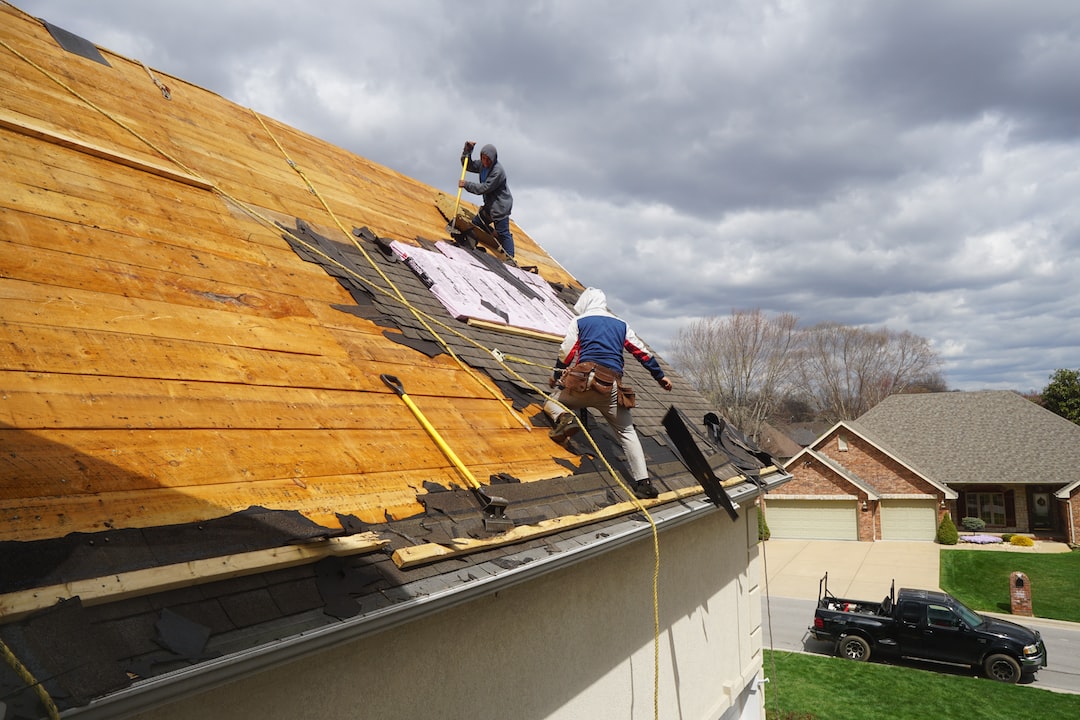
Once the problem is clear, the roofer can explain the steps needed to fix it. Work may include replacing broken shingles, sealing a small opening, fixing roof flashing, or changing damaged roof boards. The right repair depends on the roof material, the age of the roof, and how far the damage has spread.
After the work, ask the roofer to explain what was fixed and whether any other concerns remain. Keep the estimate, final bill, and warranty details in a safe place for future use. If water damage reached indoor areas, make sure those parts are dry and repaired as well.
Prevent Future Roof Damage With Regular Care
Regular roof care can help you spot trouble before it leads to leaks. Have the roof checked at sensible times, such as after severe weather and when you notice a change inside the home. A professional inspection is useful because some damage cannot be seen from the ground.
Keep gutters and downspouts clear so rain can flow away from the roof and walls. Blocked gutters can cause water to collect near roof edges and may lead to leaks or wood damage. Trim nearby branches when needed to reduce rubbing, falling limbs, and piles of leaves on the roof.
Pay attention to changes in the roof as it gets older. Shingles may wear down, sealant may crack, and flashing may loosen after years of sun and rain. A simple record of inspections and repairs helps you track these changes and plan the next step before damage becomes urgent.
Why Good Roof Materials And Work Matter
The quality of repair materials can affect how well your roof stands up to weather. Shingles, sealants, flashing, and fasteners must suit the roof design and local conditions. Using the wrong materials may lead to new leaks or repairs that fail too soon.
Good work matters just as much as good materials. Shingles must be placed and fastened correctly, and flashing must direct water away from joints and openings. Even strong roofing products may fail if they are fitted poorly or if the real source of the leak is missed.
Ask your roofer to explain why certain materials and repair methods are right for your home. You do not need to know every building term, but you should understand the purpose of the work. Clear advice helps you make a sound choice and know what care the repaired area may need later.
Find Help Before Roof Damage Spreads
When you notice a leak or loose shingles, it helps to speak with a roofing team early. A skilled roofer can assess the damage, explain your options, and help you decide which repairs need attention first.
Homeowners in Georgia who need help with damaged shingles can learn more about shingle repair in Alpharetta. A professional service can check the roof, identify weak spots, and recommend repairs that suit its condition. Ask for a clear estimate and a simple explanation of the work before agreeing to the job.
Do not wait for a ceiling stain or a steady drip before seeking help. Early advice can show whether the roof needs a quick repair, a closer inspection, or a plan for future care. Taking action while the damage is limited can protect your home and make the repair process easier to manage.
How Seasonal Changes Affect Your Roof
Changes in weather can slowly weaken roofing materials and make small problems worse. Strong sunlight may cause shingles and sealants to crack, while heavy rain can find its way through weak spots. Checking your roof as seasons change helps you find damage early and plan repairs before the next period of harsh weather.
Cold weather, strong winds, and heavy storms can also place extra stress on roof parts. Leaves and dirt may collect in gutters, blocking the flow of rainwater and causing it to pool near the roof edges. Regular cleaning and timely repairs help your roof handle changing conditions and protect your home throughout the year.
Make Roof Care A Smart Home Habit
Your roof works every day to keep your home dry, safe, and comfortable. When you act quickly on leaks, loose shingles, or storm damage, you can limit harm and avoid costs that grow over time. Regular checks and skilled repairs also help your roof serve you for longer.
Make roof care part of your home routine, and seek help when you notice a warning sign. Timely roof repairs can protect your home, support your budget, and reduce the stress of sudden damage.
Did this guide help you? Browse the rest of this section for more advice on a variety of topics.