

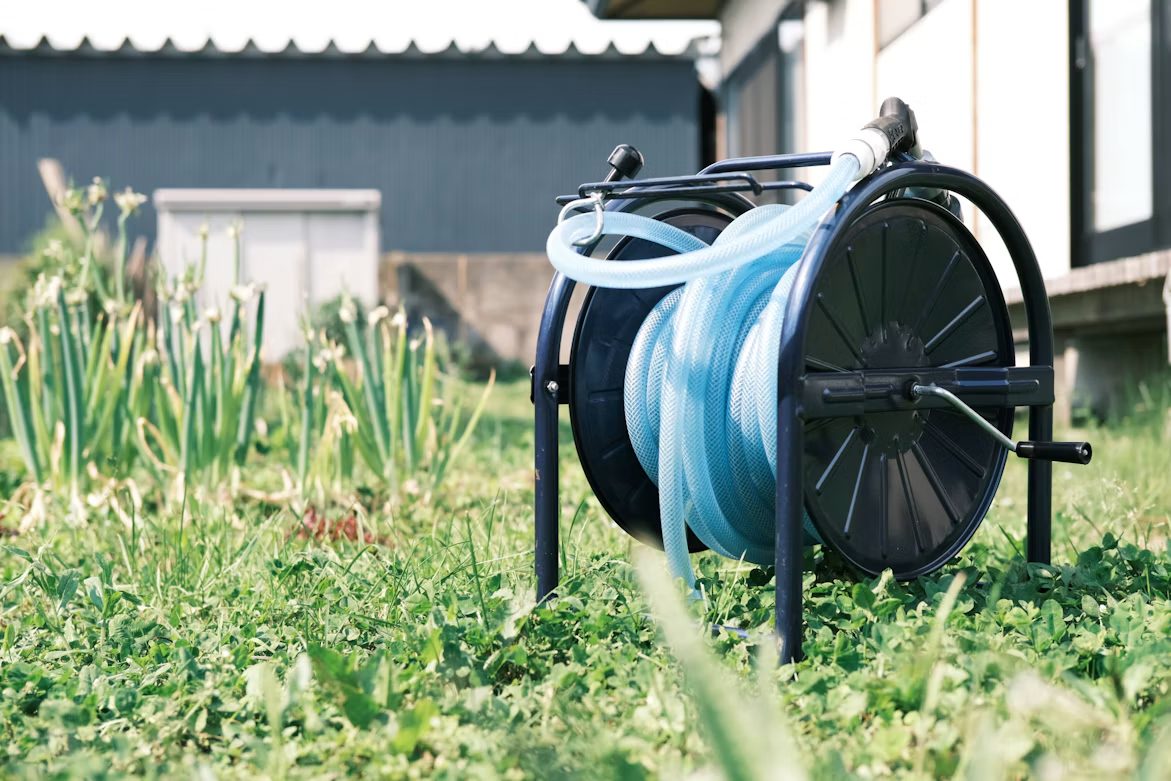
An air compressor reel can change how a garage or workshop uses its available space. Instead of leaving a long hose across the floor, a reel keeps it organized and ready for use. Its mounting position also affects how easily the hose reaches different work areas. Choosing the right design can make everyday tasks more convenient and reduce unnecessary movement.
A ceiling mount air hose reel offers a different approach to hose management. It suspends the reel above the working area, keeping the floor clear for tools, vehicles, and equipment. This arrangement can be useful in busy garages where floor space is limited. However, the mounting height, hose length, and direction of movement all influence its practical performance.
Why Mounting Position Changes Hose Reach
The location of an air compressor reel determines how the hose travels across a workspace. A ceiling-mounted unit can serve several working positions without occupying valuable floor or wall space. When installed near the center of a work area, it may provide access to multiple sides of a vehicle or workbench. Its actual coverage depends on the hose length and the distance between the mounting point and the equipment.
Mounting height also affects how the hose hangs during use. A higher installation point can keep more of the hose away from obstacles, but it may create additional downward pull. A lower position can make the hose easier to handle while reducing overhead clearance. The ideal height depends on the workshop layout, ceiling structure, and tasks performed beneath the reel.
How Swivel Brackets Improve Movement
A swivel bracket allows a reel to turn as the hose moves in different directions. This feature can reduce sideways pulling and help the hose follow the user across a working area. It also makes overhead mounting more practical when several workstations share one air supply. Without sufficient movement, the hose may rub against nearby surfaces or pull awkwardly from the reel.
The swivel range matters when planning the installation. A reel positioned above a vehicle bay may need to turn toward both sides of the vehicle. A fixed mounting arrangement can still work well when most tasks happen directly beneath the reel. Consider the direction of regular movement before choosing between a fixed bracket and a rotating design.
How Hose Length Influences Working Coverage
Hose length determines how far an air hose reel can serve equipment from its mounting point. A shorter hose may suit a compact garage with one workbench or a dedicated vehicle bay. Longer hoses can cover larger areas, but they also introduce more weight and may require greater effort during handling. The goal is to provide enough reach without leaving excessive hose hanging unused.
Measure the distance from the planned mounting position to the farthest point where compressed air tools will be used. Include the vertical distance from the ceiling to the working height. Allow some extra length for movement around vehicles, benches, and other obstacles. Remember that the usable reach can be less than the stated hose length because some distance is needed for routing and comfortable handling.
What Retractable Mechanisms Change About Storage
Retractable reels help keep hoses organized between tasks. A spring-driven mechanism pulls the hose back into its housing when the user releases the locking mechanism. This reduces the need to coil long hoses manually after every job. It also helps prevent loose hose sections from collecting on the floor.
Different rewind systems offer different levels of control. Some reels use a locking mechanism that holds the hose at a selected length. Others include controlled-return features that reduce the speed of retraction. A smooth rewind system can make frequent use more convenient, but users should still guide the hose during retraction. Allowing it to snap back freely can create unnecessary wear or cause the hose end to strike nearby objects.
Ceiling Installation and Structural Support
A ceiling-mounted reel needs a secure attachment point that can handle its weight and the pulling forces created during use. A ceiling joist or suitable structural beam may provide the required support, depending on the building and reel design. Standard drywall alone is not an appropriate mounting surface for a heavy reel. Always check the manufacturer's installation instructions and select hardware suitable for the actual structure.
Installation planning should also account for ceiling clearance and nearby equipment. Avoid locations where the reel could interfere with garage doors, lighting, shelving, or overhead storage. Check that the hose can extend without catching on sharp edges or passing through hazardous areas. Before connecting the air supply, confirm that the bracket is secure and the reel moves as intended.
Choosing the Right Hose Diameter for Airflow
Hose diameter affects how efficiently compressed air reaches a tool. A wider internal diameter generally reduces pressure loss, especially when air travels through a long hose or supplies tools with high airflow demands. Smaller hoses may work well for light-duty tasks such as inflation and occasional cleaning. The right size depends on the compressor's output and the air requirements of connected equipment.
A ceiling mount air hose reel should match the hose diameter recommended for the intended tools. Check the compressor's operating pressure, airflow capacity, and hose connection sizes before purchasing a reel. A mismatch between these specifications can limit performance even when the hose has sufficient length. Pay attention to fittings and couplers as well, since restrictive connections can affect airflow.
Where Overhead Hose Storage Makes Practical Sense
Ceiling-mounted storage can benefit workshops that need open floors and flexible access to compressed air. Automotive garages, maintenance areas, and home workshops often have several tasks taking place within the same space. An overhead reel can serve these activities while keeping the hose away from foot traffic. This arrangement can also reduce the time spent moving equipment around a cluttered workspace.
However, ceiling mounting is not suitable for every setup. Low ceilings can make overhead equipment inconvenient, especially when workers handle tall objects or move vehicles with limited clearance. A wall-mounted reel may offer easier access in narrow garages or areas with fixed workstations. Comparing both options against the actual layout helps avoid an installation that looks organized but makes daily work harder.
Maintenance Habits That Protect Reel Performance
Regular maintenance helps keep an air compressor reel operating smoothly. Inspect the hose for cracks, abrasions, leaks, and signs of excessive wear. Check the mounting hardware and swivel connections for looseness. If the hose begins retracting unevenly or struggles to lock into position, investigate the mechanism before continued use.
Keeping the reel clean also supports reliable operation. Remove dust and debris from the housing and hose guide, especially in workshops where sanding or grinding creates fine particles. Avoid forcing the hose beyond its designed extension limit. Follow the manufacturer's maintenance instructions and disconnect the air supply before performing any servicing. These simple checks can help identify small problems before they interrupt work.
FAQs About Ceiling-Mounted Air Hose Reels
Is a ceiling mount air hose reel suitable for a home garage?
Yes. A ceiling-mounted reel can work well in a home garage with adequate ceiling height and a suitable structural mounting point. It keeps the hose off the floor and provides convenient access to compressed air. Check the available clearance and hose length before installation.
How do I calculate the hose length needed for ceiling mounting?
Measure the distance from the proposed reel location to the farthest working position. Include the vertical distance from the ceiling to the tool connection point. Add some extra length for movement around vehicles and workbenches. Avoid buying a hose that is unnecessarily long for the available space.
Can I install an air hose reel directly into a drywall ceiling?
No. Drywall alone cannot provide reliable structural support for a heavy retractable reel. The mounting hardware should connect to an appropriate structural member or a properly designed support system. Follow the reel manufacturer's installation requirements.
Does a swivel bracket increase the working range of an air hose reel?
A swivel bracket does not increase the hose's actual length. However, it allows the reel to turn toward different working positions. This can make more of the existing hose length useful and reduce awkward pulling angles.
What should I check before buying a retractable air hose reel?
Consider hose length, internal diameter, maximum working pressure, mounting options, and rewind mechanism. Check that the reel's specifications match the compressor and air tools. Also confirm that your ceiling or wall can support the installation safely.
Is a ceiling-mounted reel better than a wall-mounted reel?
The choice depends on the workspace. Ceiling mounting can free up wall and floor space while providing overhead hose access. Wall mounting may be more convenient when the working area is close to a suitable wall or the ceiling is too low. Compare access, clearance, and installation requirements before deciding.
Making Hose Reach and Storage Work Together
A well-positioned air hose reel should provide practical reach without creating unnecessary clutter. Ceiling mounting can improve workspace organization, particularly in garages where several tasks share the same floor area. However, hose length, mounting height, swivel movement, and structural support all influence the final result.
Planning these details before installation helps prevent common problems such as restricted movement, poor hose routing, and difficult retraction. The right combination of mounting position and reel specifications makes compressed air equipment easier to access and store. A carefully planned setup can support smoother daily work while keeping the workshop organized.



1 thought on “How Ceiling Mount Air Hose Reel Design Changes Hose Reach and Storage”