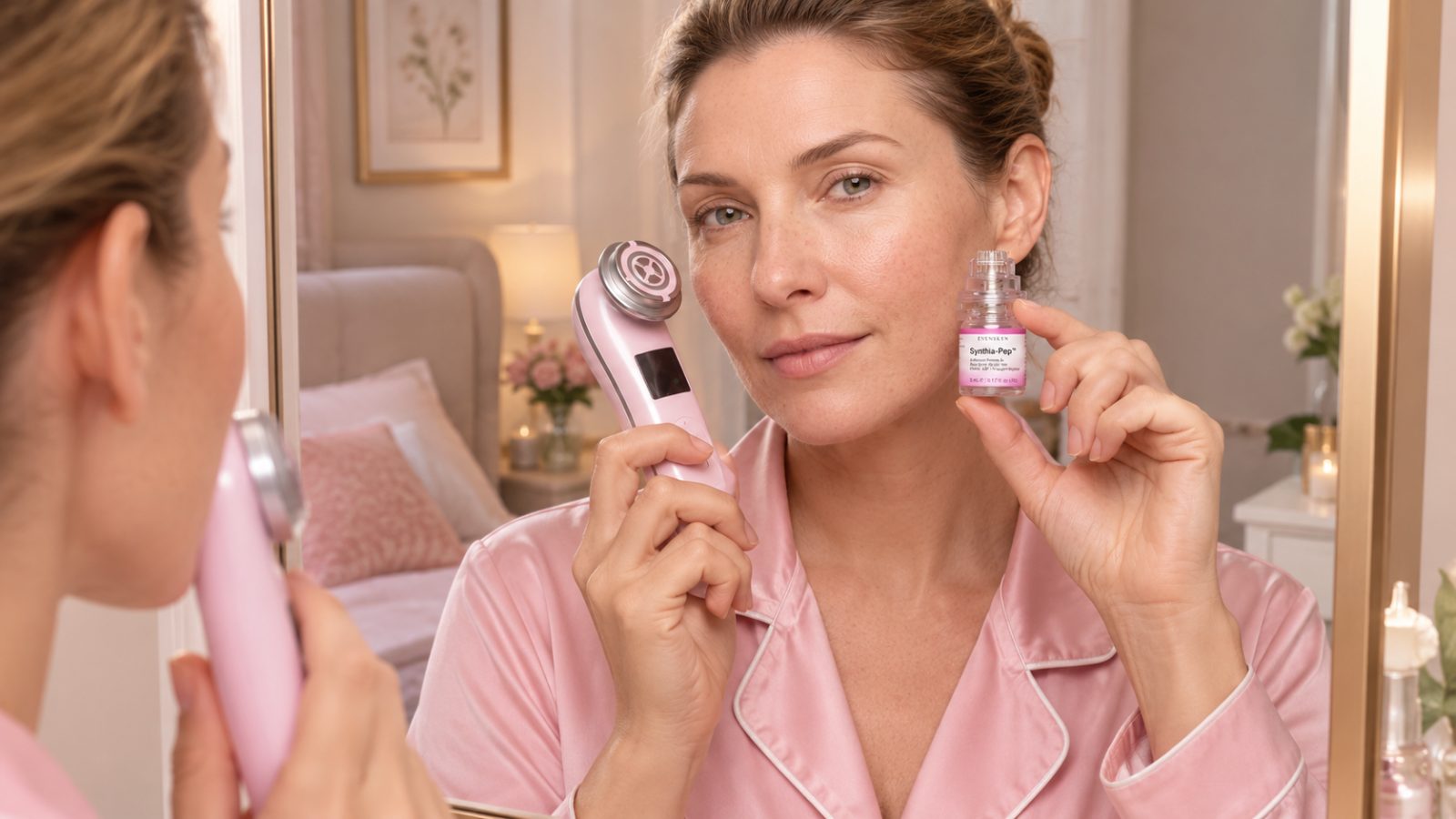
Healthy-looking skin does not have to require an expensive collection of beauty products or frequent visits to a skincare clinic. For many people, the foundation of good skin care begins at home with a consistent routine, suitable products, and an understanding of individual skin needs. Gentle cleansing, regular moisturizing, and daily sun protection can help maintain the skin's natural barrier while reducing common concerns such as dryness, irritation, and uneven texture.
Building an effective home skincare routine also means knowing when additional tools may be worth exploring. Brands such as Even Skyn offer skincare products and devices, including the Lumo-Microinfuser, for people interested in expanding their routines. Before introducing any specialized device, however, it is important to understand its intended use, follow the manufacturer's instructions, and consider whether it is suitable for your skin.
Why a Consistent Home Skincare Routine Matters
Even Skyn serves as a protective barrier between the body and the surrounding environment. Daily exposure to ultraviolet radiation, pollution, dry air, and changing temperatures can contribute to dryness, sensitivity, and visible signs of aging. A thoughtful skincare routine helps support the skin barrier and keeps the skin feeling comfortable.
Consistency often matters more than the number of products used. Buying numerous serums, exfoliants, and treatments can make a routine complicated and increase the possibility of irritation. Starting with a few well-chosen essentials makes it easier to understand how your skin responds.
A consistent routine can also become a practical form of self-care. Setting aside a few minutes each morning and evening provides an opportunity to slow down and establish a healthy daily habit. Skincare should support personal well-being rather than create pressure to achieve an unrealistic standard of beauty.
Building a Simple Morning Skincare Routine
A morning routine should focus on cleansing, hydration, and protection from environmental stressors. The right approach depends on your skin type, lifestyle, and existing concerns.
1. Cleanse Without Stripping the Skin
Choose a gentle cleanser that removes excess oil, sweat, and residue without leaving your face feeling tight. People with dry or sensitive skin may prefer fragrance-free formulas, while those with oily skin may find a lightweight cleanser more comfortable.
Avoid aggressive scrubbing or washing your face repeatedly throughout the day. Excessive cleansing can disrupt the skin barrier, potentially leading to redness, dryness, and increased sensitivity.
2. Use a Suitable Moisturizer
Moisturizers help reduce water loss and support a comfortable skin barrier. Ingredients such as glycerin, ceramides, and hyaluronic acid can help attract or retain moisture, depending on the formulation.
A rich cream may be suitable for dry skin, while a lightweight lotion or gel may work better for oily skin. Combination skin may benefit from adjusting the amount applied to different areas of the face.
If a product causes persistent burning, itching, or a rash, discontinue use and seek professional advice if symptoms continue.
3. Apply Sunscreen Every Day
Sun protection is one of the most valuable parts of a long-term skincare routine. Choose a broad-spectrum sunscreen with SPF 30 or higher and apply it according to the label directions. Reapply approximately every two hours when outdoors and after swimming or sweating, as directed.
Protective clothing, sunglasses, shade, and limiting exposure during periods of intense sunlight can provide additional protection. Daily sunscreen use helps reduce the effects of ultraviolet exposure, including premature skin aging.
Creating an Effective Evening Routine
An evening routine helps remove sunscreen, makeup, sweat, and accumulated residue. Begin with a suitable cleanser and follow with moisturizer to help maintain hydration overnight.
People who wear heavy makeup or water-resistant sunscreen may benefit from using a makeup remover or first-step cleanser before their regular face wash. The aim is to clean the skin effectively without leaving it dry or irritated.
Introduce Targeted Products Gradually
Some people choose to add products containing ingredients such as retinoids, niacinamide, or exfoliating acids to address specific concerns. These ingredients have different purposes and may not be appropriate for everyone.
Introduce one new product at a time, follow the directions, and monitor your skin's response. Combining multiple active ingredients too quickly can increase irritation. If you have persistent acne, eczema, rosacea, or another skin condition, consult a dermatologist about an appropriate routine.
At-Home Skincare Devices: What Should You Know?
At-home skincare devices have become an area of interest for people looking to complement their everyday cleansing and moisturizing habits. These products differ in their mechanisms, intended purposes, and safety requirements, so researching a device before use is essential.
Micro-infusion devices deserve particular attention because some designs involve contact with or disruption of the skin's surface. Their suitability depends on the device, the individual's skin, and the instructions provided by the manufacturer.
Understanding the Lumo-MicroInfuser
If you are considering a product such as the Lumo-MicroInfuser, begin by reviewing its intended use, instructions, hygiene requirements, and any contraindications. Do not assume that an at-home device produces the same results as a professional treatment or that it is suitable for every skin type.
Before using a micro-infusion device, consider these precautions:
- Check suitability: Consult a dermatologist if you have persistent sensitivity, an underlying skin condition, or concerns about whether the device is appropriate for you.
- Follow hygiene instructions: Clean and maintain the device exactly as directed. Never share components intended for individual use.
- Avoid compromised skin: Do not use a device on broken, infected, inflamed, or irritated skin unless a qualified healthcare professional advises otherwise.
- Follow the recommended schedule: More frequent use does not necessarily produce better results and may increase irritation or injury.
- Monitor your skin: Stop using the device if you experience unexpected pain, significant swelling, or other concerning symptoms, and seek medical advice when appropriate.
People who are immunocompromised, prone to abnormal scarring, taking medication that affects healing, or pregnant should seek qualified medical advice before trying procedures that may disrupt the skin barrier.
Common Home Skincare Mistakes to Avoid
Even a well-planned routine can become less effective when products are used incorrectly or expectations are unrealistic.
Over-Exfoliating
Exfoliation may help improve certain skin concerns, but excessive use can cause dryness, irritation, and sensitivity. Follow product instructions and reduce or stop exfoliation if your skin becomes uncomfortable.
Following Every Online Trend
Social media routines often overlook individual skin differences, ingredient interactions, and potential risks. Before purchasing a trending product or device, consider whether it addresses a genuine need and whether reliable information supports its intended use.
Expecting Overnight Results
Many skincare products require several weeks of consistent use before visible changes become apparent. Results depend on the product, the concern being addressed, and individual skin characteristics. Persistent or worsening symptoms deserve professional assessment rather than repeated experimentation.
The Connection Between Skin Health and Overall Well-Being
Skincare is not only about appearance. A manageable routine can provide a small opportunity to focus on yourself and create a sense of structure in daily life. Sleep, balanced nutrition, regular physical activity, and stress management also support general well-being and may influence how the skin looks and feels.
Stress can aggravate certain skin conditions, while ongoing skin concerns may affect confidence and emotional comfort. Recognizing this connection can encourage a more balanced approach to personal care.
The aim is not to achieve flawless skin. Natural skin has pores, texture, and occasional blemishes. A healthier approach focuses on comfort, protection, and realistic expectations instead of constantly comparing your appearance with edited photographs or online beauty trends.
Conclusion
An effective at-home skincare routine starts with a few reliable habits: gentle cleansing, appropriate moisturizing, daily sun protection, and careful selection of additional products. Specialized devices may interest some users, but they should be researched thoroughly and used only according to appropriate safety instructions.
By paying attention to your skin's needs and introducing changes gradually, you can build a routine that fits your lifestyle without unnecessary complexity. Consistent care, informed choices, and professional guidance when needed can help make skincare a sustainable part of everyday well-being.