

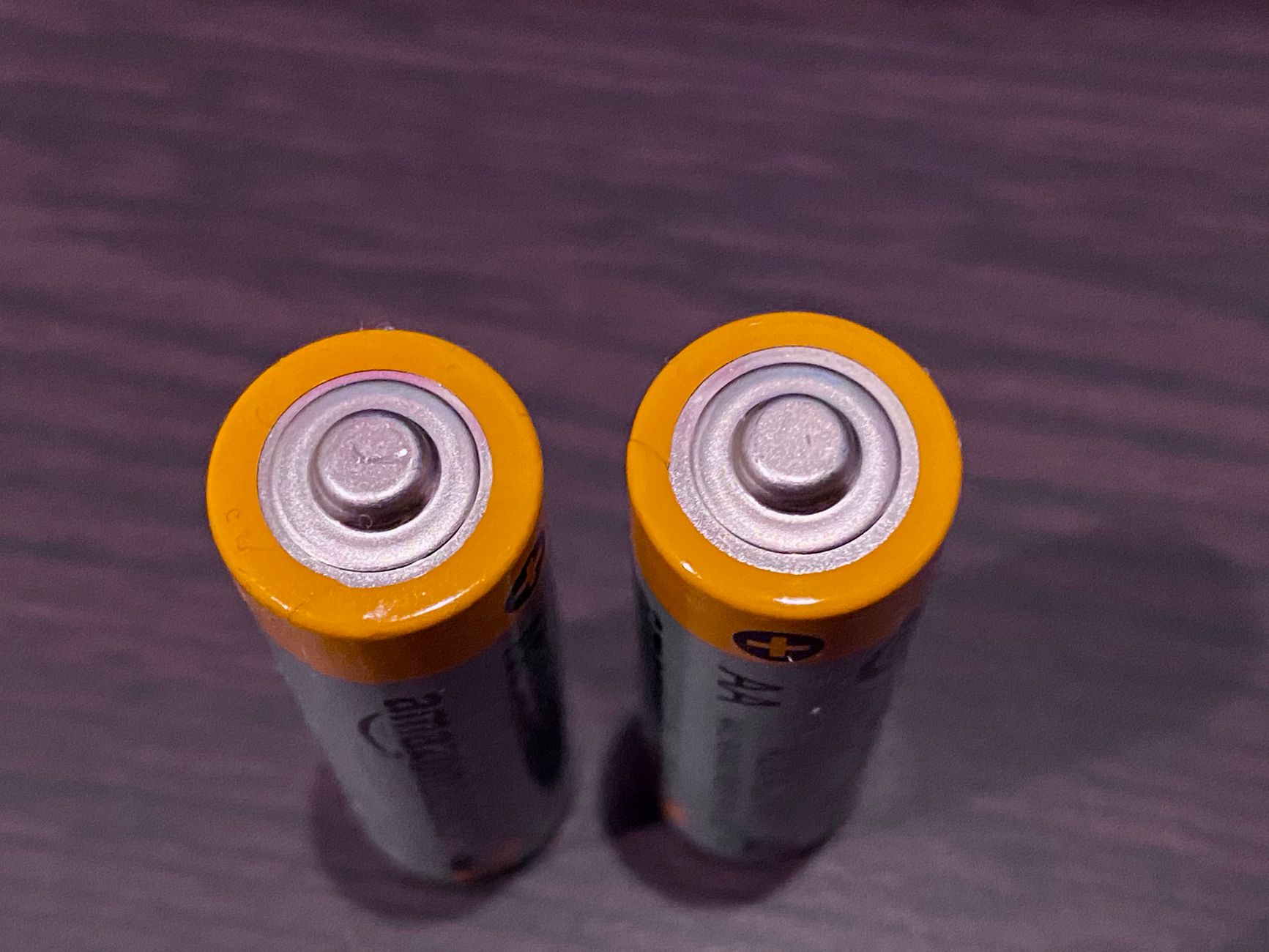
A productive workday depends on more than having the right tool for each task. When several jobs must be completed without interruption, battery availability can determine whether the schedule stays on track. For contractors, maintenance crews, landscapers, and serious DIY users, managing cordless power tools means treating batteries as part of the work plan rather than accessories to grab when needed.
A practical rotation system helps prevent unexpected shutdowns, reduces unnecessary charging delays, and makes better use of the batteries already available. The goal is not simply to keep every battery charged. It is to match battery capacity, tool demand, charging time, and job sequencing so the entire setup operates predictably from the first task to the last.
1. Why Battery Rotation Matters During a Full Workday
Battery-powered equipment draws energy at different rates depending on the tool, workload, and operating conditions. A compact drill used intermittently may run for hours, while a high-demand saw or blower can consume a similar battery much faster.
Without a rotation plan, workers often discover that several batteries are depleted simultaneously, leaving chargers unable to keep up. This creates downtime even when the total number of batteries seems adequate.
A structured approach distributes usage across the available battery pack inventory. It also gives workers a clearer picture of which batteries are ready, charging, cooling, or due for inspection.
2. Calculate Battery Demand Before Choosing a Rotation Schedule
The best rotation schedule starts with actual work requirements, not an arbitrary rule about changing batteries every hour.
Estimate how long each tool will operate, how demanding the task will be, and whether work will be continuous or intermittent. Cutting dense material, clearing heavy debris, and driving large fasteners typically place different demands on a battery than light trimming, drilling pilot holes, or routine assembly.
For example, a crew using a cordless saw and drill throughout an eight-hour shift should plan around the saw's heavier energy consumption rather than assuming both tools will drain batteries at the same rate.
Battery capacity, measured in amp-hours (Ah), is useful when comparing compatible packs at the same voltage. However, runtime also depends on tool efficiency, operating conditions, and workload. Treat manufacturer runtime estimates as planning references rather than guaranteed production times.
3. Establish a Simple Three-Stage Battery Rotation System
A three-stage system makes battery status easy to identify, even when several workers share equipment.
Ready, in use, and charging
Organize batteries into three functional groups:
- Ready: Fully charged packs available for the next task.
- In use: Batteries currently installed in tools or reserved for active work.
- Charging: Depleted packs being recharged, with cooling time allowed when necessary.
This arrangement reduces confusion and prevents workers from repeatedly checking every battery to find one with enough charge.
For a small operation, labels or designated storage compartments may be sufficient. Larger crews can use a simple tracking sheet that records battery identification, charge status, and any performance concerns.
The groups should remain flexible. If charging takes longer than expected or one tool consumes energy unusually quickly, the rotation must adapt rather than forcing batteries through a rigid sequence.
4. Match Battery Capacity to the Tool and Task
Not every tool benefits equally from the largest available battery. Higher-capacity packs can provide longer runtime, but they may also add weight and affect handling.
When a larger battery makes sense
A higher-capacity pack is often useful for demanding, sustained tasks where changing batteries would interrupt production. Examples include extended cutting, heavy-duty fastening, and prolonged outdoor cleanup.
When a smaller battery is more practical
Lower-capacity packs can be appropriate for overhead work, quick repairs, or tasks that require frequent repositioning. Less weight may improve comfort and control, particularly during repetitive work.
When comparing battery options, consider these factors together:
|
Factor |
What to consider |
|
Runtime |
Expected energy demand during the task |
|
Weight |
Operator comfort and tool balance |
|
Charging time |
Whether a depleted pack can be replenished before it is needed |
|
Compatibility |
Manufacturer-approved voltage, platform, and battery requirements |
|
Availability |
Number of charged packs ready at each stage |
Battery interchangeability should never be assumed simply because two packs share a brand or similar appearance. Follow the manufacturer's compatibility guidance.
5. Coordinate Charging With the Work Schedule
Charging is most effective when it happens alongside productive work rather than after everything stops.
At the beginning of a shift, check the charge level of every available pack and confirm that chargers are functioning properly. Start charging depleted batteries early, provided they are safe to charge under the manufacturer's instructions.
During the workday, use natural pauses to check the rotation. A break between cutting stages, a move to another work area, or a material delivery can provide an opportunity to exchange batteries and assess charging progress.
Avoid planning around a charger operating at its theoretical minimum charging time. Temperature, battery condition, charger specifications, and capacity can all affect the actual time required.
A useful rule is to maintain enough ready-to-use capacity to cover the next planned work interval, plus a reasonable buffer for unexpected delays.
6. Protect Batteries From Heat, Cold, and Rough Handling
Battery management involves more than tracking remaining charge. Temperature and physical condition influence performance, charging behavior, and service life.
High-demand work can warm a battery considerably. If a pack is hot after use, follow the manufacturer's instructions and allow it to cool before charging when required. Charging a battery outside its permitted temperature range can damage the pack or activate protective controls.
Cold conditions can also reduce available power and runtime. Keep batteries in an appropriate, dry storage area and avoid exposing them to direct heat in an attempt to warm them quickly.
Inspect packs regularly for cracked housings, damaged contacts, swelling, leakage, or other signs of deterioration. Remove damaged batteries from service and follow the manufacturer's guidance for evaluation and disposal.
The U.S. Environmental Protection Agency provides useful guidance on used lithium-ion batteries and battery recycling. Damaged or discarded packs should not be placed in ordinary household or workplace trash.
7. Avoid Common Battery Rotation Mistakes That Create Downtime
Even a well-equipped crew can lose time through poor battery habits. Several mistakes are especially common.
- Waiting until every battery is depleted: This creates a charging bottleneck. Exchange packs before the work plan is disrupted.
- Using one favorite battery repeatedly: Uneven use can make it harder to assess the condition of the entire battery inventory.
- Ignoring partial charge levels: A battery showing some charge may not have enough capacity for the next demanding task.
- Mixing incompatible equipment: Use only batteries and chargers approved for the specific tool platform.
- Leaving batteries in unsuitable conditions: Excessive heat, moisture, and extreme cold can compromise performance and safety.
- Assuming every battery performs identically: Age, usage history, storage conditions, and wear can cause meaningful differences in runtime.
Rotation should improve predictability, not become an inflexible ritual. If one battery consistently delivers shorter runtime than comparable packs, investigate its condition instead of repeatedly adjusting the schedule around it.
8. Build a Repeatable Battery Rotation Routine for Every Shift
A consistent routine makes battery management easier to maintain across changing projects and different workers.
Before work begins:
- Confirm that ready batteries are charged and compatible with the assigned tools.
- Inspect packs, chargers, and contacts for visible damage.
- Identify tasks likely to consume the most energy.
- Confirm that the charging area is suitable and that chargers are available.
During the shift:
- Track which batteries are in use and which are charging.
- Exchange packs before a critical task is interrupted.
- Allow hot batteries to cool according to manufacturer guidance.
- Note unusual runtime changes or charging problems.
At the end of the day:
- Inspect batteries for damage and unusual heat.
- Recharge or store packs according to the manufacturer's instructions.
- Record batteries that appear to be losing capacity.
- Prepare a ready-to-use group for the next shift.
For additional technical context, the U.S. Department of Energy's Battery500 Consortium discusses research aimed at improving battery performance and longevity. Although its work focuses on advanced battery technology rather than daily tool rotation, it provides useful background on why battery performance and durability remain important engineering considerations.
Frequently Asked Questions
How many batteries are needed for a full workday?
There is no universal number. Requirements depend on tool energy consumption, battery capacity, charging speed, workload, and the availability of multiple chargers. Estimate demand from actual work patterns and add a backup for unexpected usage.
Should batteries be fully discharged before recharging?
No. Modern lithium-ion tool batteries generally do not require routine full discharges. Follow the manufacturer's charging and storage recommendations rather than deliberately running packs to empty.
Can one battery be used for multiple cordless tools?
Only when the battery is specifically compatible with each tool. Verify the manufacturer's platform, voltage, and compatibility requirements before transferring a pack between tools.
Is it better to rotate batteries on a fixed timer?
A fixed schedule can help during predictable workloads, but charge level and task demand are more useful indicators. Replace a battery when its remaining capacity is insufficient for the next task rather than relying exclusively on elapsed time.
How can workers identify a battery that needs replacement?
Watch for unusually short runtime, repeated charging problems, visible damage, or abnormal heating. Compare performance with similar packs under comparable conditions, and remove damaged batteries from service.
Make Battery Availability Part of the Work Plan
Reliable battery rotation comes from understanding the relationship between tool demand, charging capacity, working conditions, and task timing. A simple ready-use-charging system, regular inspections, and realistic runtime estimates can prevent avoidable interruptions without requiring an unnecessarily large battery inventory.
When battery status is visible and charging happens alongside the work schedule, crews can spend less time waiting for equipment and more time completing the job. The most effective rotation plan is the one that fits the actual workload, protects battery condition, and remains easy for everyone on the team to follow.




1 thought on “How to Manage Battery Rotation When Using Cordless Tools Across a Full Workday”