

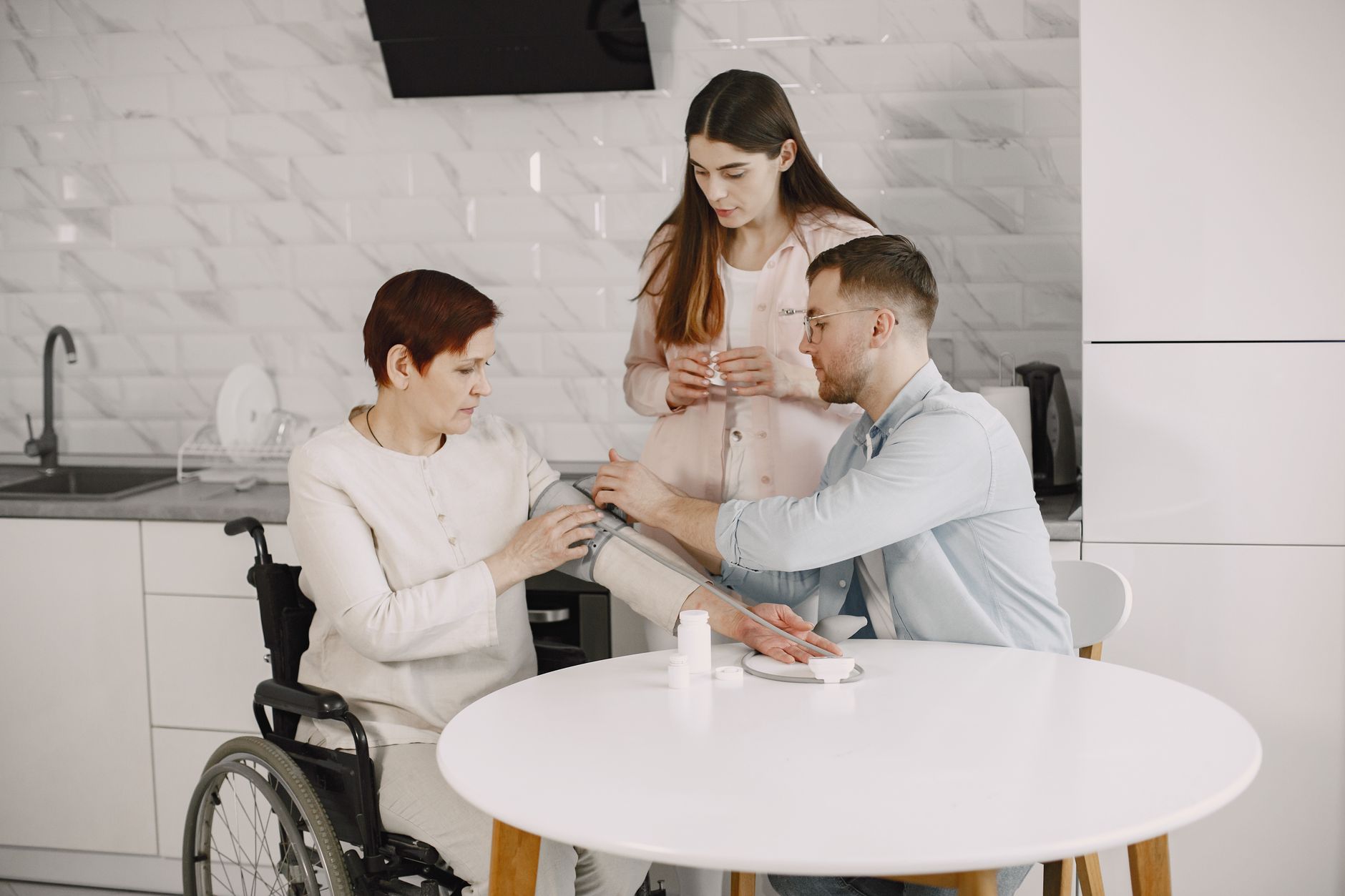
In the first half of 2026, Dubai's home healthcare sector grew faster than any other part of the emirate's health system. According to a Dubai Health Authority (DHA) report covered by Khaleej Times in October 2026, licensed home healthcare facilities rose 22.7 percent to 249, up from 203 a year earlier. That growth rate is more than three times the 7 percent increase recorded across all licensed facilities.
It points to a structural shift in how residents access medical services in Dubai: away from the waiting room and toward the living room. The data behind that shift is worth a close look, because it explains where demand is coming from, how the sector is being regulated, and what residents can reasonably expect.
Dubai's Health System by the Numbers
The same DHA report offers a snapshot of a system that is expanding in both scale and oversight:
- 5,931 licensed health facilities, up 7 percent from 5,541 in the first half of 2025.
- 70,566 licensed health professionals, up 6.5 percent from 66,277.
- 1,794 pharmacies, up 6.8 percent.
- 5,378 inspection and monitoring visits, up 36.3 percent year on year, including 3,154 on-site visits and 2,224 remote inspections and audits.
- 80 percent compliance with regulatory standards, up from 75 percent a year earlier.
Coverage is broad as well. More than 4.6 million Dubai residents are covered by health insurance, according to separate Khaleej Times reporting on DHA data. A large insured population, a growing workforce, and tighter inspections create the conditions in which new care models can scale responsibly.
Home Care Leads the Growth Curve
A 22.7 percent increase in a single year is striking in any sector. Here, it signals demand. DHA Director General Dr. Alawi Alsheikh-Ali attributed the sector's growth to the development of the healthcare system and to a regulatory environment that supports quality and sustainability. Regulation has played a part. Dubai's formal home healthcare standards took effect on February 19, 2025, following a DHA circular issued in January of that year.
Under these standards, each home healthcare facility must employ at least one physician and one registered nurse. In practical terms, that moves the category from loosely defined "visiting nurse" arrangements toward a framework built on licensing, defined staffing, and oversight.
The Market Behind the Momentum
Industry research puts figures on the commercial side. Ken Research estimates the UAE home healthcare market at USD 1.18 billion in 2025, rising to USD 1.31 billion in 2026 and USD 2.19 billion by 2031, a compound annual growth rate of 10.8 percent. The same analysis notes that value is expected to grow faster than visit volume, since more complex services, such as respiratory support, renal care, mobile diagnostics, and technology-enabled supervision, generate higher revenue per episode.
Abu Dhabi offers a useful comparison. The Department of Health there reported 58 accredited home healthcare providers in 2023, and more than 4,600 beneficiaries receiving home healthcare in 2022, showing how formal provider ecosystems develop across the UAE.
Why Demand Is Rising
Several forces are converging:
- Insurance penetration: With more than 4.6 million insured residents, access to care is less constrained by cost than in many markets, which widens the pool of people who can consider alternatives.
- Chronic and recurring needs: Conditions that require regular monitoring, medication management, or follow-up are well suited to scheduled visits at home.
- Post-procedure recovery: Patients discharged after surgery or treatment often prefer to continue recovery in a familiar environment.
- Time and mobility: In a city of long commutes and demanding schedules, a visit that avoids traffic and waiting rooms has clear appeal, particularly for families with young children or elderly relatives.
- Infection exposure: Avoiding crowded clinical waiting areas can matter for people with weakened immunity.
Where Home Care Fits, and Where It Does Not
Home-based care works best for needs that are predictable and non-emergency: vaccinations, hydration and IV therapy, wound and post-procedure care, chronic condition follow-up, and minor acute illnesses assessed by a physician. It does not replace hospitals for emergencies, advanced diagnostics, or surgery. The healthiest view of the sector is as one layer of a broader system, and as medical services in Dubai residents depend on continue to diversify, that layer is becoming a recognized part of routine care.
What Regulation Means for Patients
For patients, the regulatory data translates into verifiable facts. A licensed provider operates under DHA oversight. Its staffing must include a physician and a registered nurse. Compliance across Dubai's health facilities now stands at 80 percent, and inspection activity is rising. Those are measurable signals of a sector where quality control is intensifying rather than loosening, though insurance coverage for home visits can vary by plan and should be confirmed individually.
The Outlook
Two trends will shape the next phase. The first is specialization: as the market projection suggests, higher-acuity services such as respiratory and renal support will take a larger share. The second is digital supervision, from remote monitoring to electronic records that connect home visits with hospital teams. Both depend on skilled professionals, and Dubai's workforce, now exceeding 70,000 licensed practitioners, is growing to meet that need.
Conclusion
Dubai's home healthcare growth is not a passing trend. It reflects rising demand, a larger and better-regulated workforce, and a market projected to nearly double in six years. For residents weighing their options, the message is clear: care at home is now a regulated, mainstream choice. When you are ready to explore professional home healthcare services in Dubai, look for licensed providers, physician supervision, and transparent standards, since these are the signals the data shows matter most.
ONCURE Home Healthcare, led by Dr. Syeda, delivers physician-supervised care at home across the UAE. Licensed nurses and doctors provide vaccinations, post-procedure IV drips, and IV wellness therapy, with same-day appointments and a doctor on call, offering safe, compassionate treatment in a comfortable, familiar setting.



4 thoughts on “Dubai’s Home Healthcare Boom: 249 Providers and 22.7% Growth”