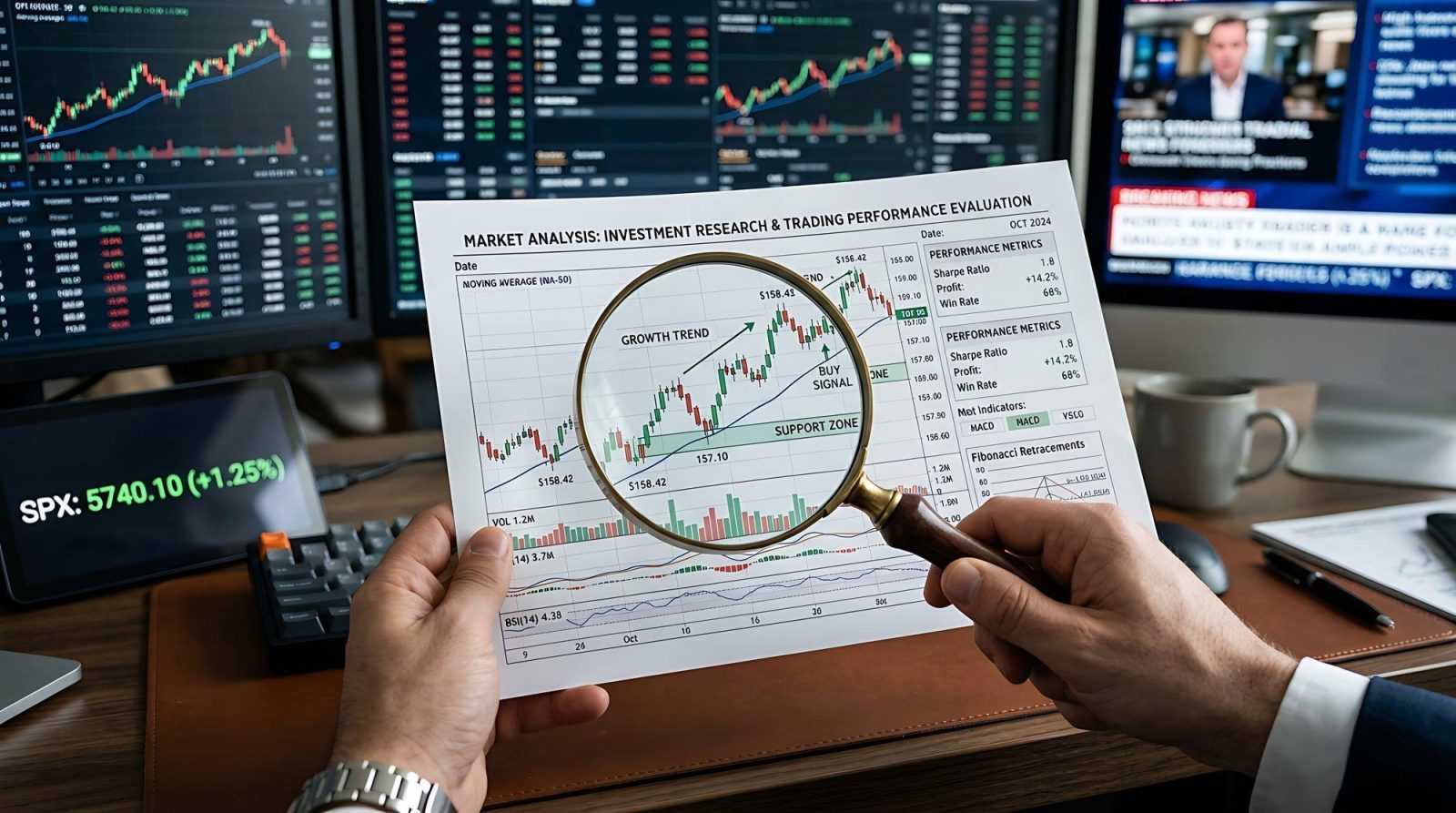
A central bank announces an unexpected interest rate change, a country's inflation figures exceed expectations, or an election introduces uncertainty about future economic policy. Within minutes, currency prices may respond as traders reassess their positions. For people exploring forex trading platforms, understanding these connections between global events and currency movements is an important first step towards making informed decisions.
The foreign exchange market, commonly called forex, allows participants to exchange one currency for another. Businesses use it for international payments, travellers need it when visiting other countries, and financial market participants may trade currencies to manage exposure or speculate on price changes. Although the market operates across global time zones, successful participation requires preparation, reliable information, and a clear understanding of risk.
The Logic Behind Currency Pairs
Forex prices are generally quoted in pairs, such as EUR/USD or GBP/JPY. Each pair compares the value of one currency against another. In EUR/USD, for example, the first currency is the euro and the second is the US dollar.
If EUR/USD rises, the euro has strengthened against the dollar within that quotation. If the pair falls, the euro has weakened relative to the dollar. This relationship is important because a currency does not move in isolation. Its value is always being compared with another currency.
Major pairs often involve widely traded currencies, including the US dollar, euro, Japanese yen, and British pound. Other pairs may include currencies from smaller or emerging economies and can have different liquidity and volatility characteristics. Understanding these quotations helps traders interpret price charts, economic announcements, and potential trading costs without confusing the direction of a currency's movement.
Economic Reports Add Context To Price Changes
Currency markets respond to a wide range of economic indicators. Inflation figures provide information about price pressures, while employment reports can indicate the strength of the labour market. Gross domestic product measures economic output, and retail sales can offer clues about consumer demand.
Consider a country reporting stronger economic growth than analysts expected. The news may support its currency if investors believe it could influence future monetary policy. However, the response may differ if inflation is falling sharply, political uncertainty is increasing, or other important data contradict the positive report.
An economic calendar can help identify scheduled releases and central bank meetings. This preparation is particularly useful when an announcement could lead to rapid price changes or wider trading spreads.
Selecting Tools For Market Analysis
Different analytical tools help traders examine currency movements from different perspectives. Fundamental analysis focuses on economic conditions, interest rates, political developments, and central bank policy. Technical analysis examines historical prices, trends, support and resistance levels, and market momentum.
Some participants also monitor market sentiment to understand whether traders appear broadly optimistic or cautious about a currency. Sentiment can change quickly, however, and should not be treated as a dependable prediction.
When comparing forex trading platforms, users should examine the charting tools, economic calendars, available indicators, order types, and price information provided. A clear interface can make research easier, but the availability of advanced tools does not guarantee better trading results.
Trading Hours And Changing Liquidity
The forex market operates across major financial centres, including London, New York, Tokyo, and Sydney. Trading activity shifts as these centres open and close, creating periods with different levels of participation.
Some currency pairs experience greater activity when major financial centres overlap. Higher participation can sometimes support tighter spreads, although liquidity and pricing conditions vary by broker, instrument, and market situation.
Understanding these patterns helps traders consider when they want to monitor the market. It does not mean that one trading session is always more profitable than another. Suitable timing depends on the currency pair, trading strategy, available time, and tolerance for volatility.
Understanding Orders And Execution
A trading decision must eventually be translated into an order. Market orders generally seek execution at the best available price, while limit orders specify a price condition for entering or exiting a position. Stop orders can trigger when a chosen price level is reached, subject to the instrument's rules and execution conditions.
These distinctions matter during fast-moving markets. A market order may execute at a different price from the one displayed when it was submitted. A stop order may also experience slippage, especially during major announcements or gaps in market activity.
Before trading live, users should understand how their provider handles order execution, rejected orders, stop levels, and any applicable fees. They should also learn how to close positions and monitor open trades. Knowing the mechanics of an order is just as important as deciding which currency pair to trade.
Checking The Quality Of A Trading Provider
A suitable provider should be assessed on more than its interface or promotional claims. Users should verify the legal entity offering the service, its regulatory status, and whether it is authorised to serve clients in their jurisdiction.
Trading costs deserve close attention. Spreads, commissions, overnight financing, currency conversion charges, and withdrawal conditions can all influence the overall experience. Account protections, customer support, available instruments, and the process for handling complaints are also relevant.
Anyone exploring forex online should be cautious of promises of guaranteed profits, pressure to deposit quickly, or claims that a particular strategy cannot lose. These statements do not reflect the uncertainty inherent in currency markets.
Conclusion
Currency trading becomes easier to evaluate when research and decision-making follow a consistent process. Beginners can start by observing a small number of currency pairs, following their economic drivers, and recording how prices react to significant announcements.
A trading journal can document the reason for each decision, the intended risk, the outcome, and any lessons learned. Reviewing these records may reveal repeated mistakes, such as entering positions without a clear plan or increasing exposure after a loss.
For those comparing providers and researching currency market access, Baazex is one option to explore alongside other services. Reviewing its current trading conditions, available instruments, and relevant regulatory information can help prospective users determine whether it meets their requirements.