

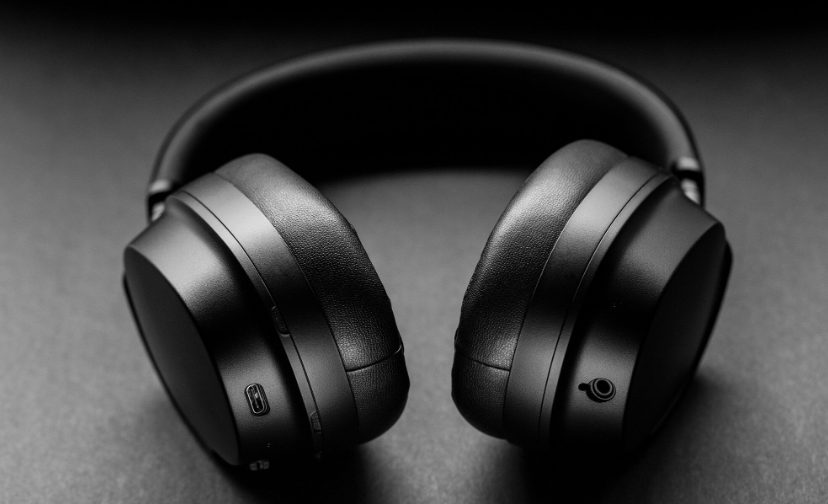
Headsets have become a common part of everyday life. People use them for listening to music, watching films, joining online meetings, playing games, making calls, studying, and simply enjoying some quiet time. With so many different models available, choosing the right headset can sometimes feel harder than expected.
A headset may look like a simple device, but there are many things that can affect how well it works. Sound quality, comfort, microphone performance, connection type, battery life and design can all make a difference. When comparing headsets, consider your intended use, whether for work, gaming, online meetings or everyday listening, to find a model that offers the right balance of comfort and performance. The best choice depends on how and where you plan to use it.
Some people need a headset mainly for work calls, while others want strong sound for entertainment. Gamers may care more about clear directional audio and microphone quality, whereas someone who travels regularly may prefer a wireless model with good battery life. Understanding these differences can make it easier to find a headset that suits your needs.
Why Comfort Matters
Comfort is one of the most important things to consider when choosing a headset. A model may produce excellent sound, but if it becomes uncomfortable after a short time, it may not be useful for long sessions.
The weight of the headset can affect comfort. A heavy design may create pressure around the head or neck, particularly when worn for several hours. A lighter model may be easier to wear for extended periods.
The ear cushions also matter. Soft padding can reduce pressure around the ears, while a suitable size can help create a comfortable fit. Headbands should provide enough support without pressing too tightly against the head.
Adjustability is another useful feature. A headset with an adjustable headband can be positioned more easily to suit different users. Some models also have rotating ear cups, which can improve the fit and make storage easier.
Understanding Sound Quality
Sound quality is often the first thing people think about when buying a headset. However, good sound does not simply mean having the loudest possible output.
A good headset should produce clear audio across different frequencies. This includes lower sounds such as bass, middle frequencies such as voices and higher sounds such as certain instruments and effects.
Bass can make music, films and games feel fuller, but too much bass can cover other details. Clear mid-range sound is particularly useful for conversations because voices are easier to understand. High frequencies can add detail, although overly sharp high notes may become uncomfortable.
The right balance depends on personal preference. Someone who listens to music may prefer a different sound profile from someone who mainly uses a headset for meetings.
Wired and Wireless Headsets
One of the biggest choices is whether to buy a wired or wireless headset. Both options have useful features, so the better choice depends on your routine.
Wired headsets connect directly to a compatible device. They do not need to be charged, which makes them convenient for people who use their headset in one place for long periods. A wired connection can also provide a stable connection without concerns about wireless signal strength.
The main disadvantage is the cable. It can become tangled, catch on furniture or limit how far you can move away from the connected device.
Wireless headsets provide greater freedom of movement. They are useful when moving between a desk, another room or different devices. Many wireless models use Bluetooth, while some computer-focused headsets use a dedicated wireless connection.
The main thing to remember with wireless models is battery life. A headset that needs frequent charging may become frustrating if you forget to charge it before use.
Battery Life and Charging
Battery life is particularly important for wireless headsets. Different models can offer very different levels of use between charges.
If you regularly spend long periods away from a charging point, a headset with longer battery life may be more practical. If you mainly use the headset at a desk, shorter battery life may not be a major concern because charging is easier.
Charging time is also worth checking. A headset that takes a long time to charge can be inconvenient when the battery runs low unexpectedly. Some models offer quick charging, allowing several hours of use after a relatively short charging period.
It is also useful to consider whether the headset can still be used with a cable if the battery runs out. This can provide an extra level of convenience.
Choosing the Right Microphone
The microphone is an important part of any headset used for communication. A poor microphone can make conversations difficult even if the headset has excellent sound quality.
A good microphone should capture speech clearly without picking up too much background noise. This is especially useful in busy rooms where fans, keyboards, conversations or other sounds may be present.
Some microphones can be moved closer to the mouth when needed. Others are built into the headset and remain in a fixed position. A movable microphone can offer more control over voice quality.
Mute controls can also be useful. Being able to quickly mute the microphone during a meeting or call can prevent unwanted sounds from being transmitted.
Noise Cancellation and Isolation
Noise control can make a major difference when using a headset in a busy environment. There are two main approaches: passive noise isolation and active noise cancellation.
Passive isolation comes from the physical design of the headset. Ear cups that fit closely around the ears can block some outside sounds without using electronic processing.
Active noise cancellation uses built-in technology to reduce certain external sounds. It can be useful when dealing with steady background noise, such as air conditioning, traffic or general activity.
Noise cancellation is not necessary for everyone. If you mainly use a headset in a quiet room, paying extra for advanced noise control may not provide much benefit.
Headsets for Work and Online Meetings
For work, a headset should make communication easy and comfortable. Clear voice quality is often more important than having powerful bass or advanced audio effects.
A comfortable design is especially useful for people who spend several hours in online meetings. The microphone should pick up speech clearly, and controls should be easy to reach.
Wireless connectivity can be helpful if you frequently move away from your desk. On the other hand, a wired headset may be better for someone who wants a simple setup without worrying about charging.
Some work-focused headsets also include features such as microphone monitoring, mute indicators and controls for adjusting volume. These small features can make regular calls much easier to manage.
Headsets for Gaming
Gaming headsets are designed with a different set of priorities. Players often need clear sound to hear dialogue, effects and environmental details.
Directional audio can be particularly useful in games where knowing the location of sounds matters. Being able to distinguish whether a sound is coming from the left, right, front or behind can improve awareness.
The microphone is also important for multiplayer games. Team members need to hear one another clearly, so a headset with a reliable microphone can make communication easier.
Comfort should not be overlooked. Gaming sessions can last for several hours, making a lightweight design with suitable padding more practical.
Making the Right Choice
Choosing a headset becomes much easier when you focus on how you actually plan to use it. There is no single model that will be perfect for everyone.
Someone who works from home may need a comfortable headset with a clear microphone. A gamer may prioritise directional sound and reliable communication. A music listener may focus more on sound quality, while a frequent traveller may want a lightweight wireless model with long battery life.
Comfort, sound, microphone quality, connection type, battery life, durability and compatibility should all be considered before making a decision. It is also useful to think about which features you will genuinely use rather than paying for functions that sound impressive but offer little value in your daily routine.
A good headset should fit naturally into your lifestyle. When the design, sound and features match the way you use your devices, the headset becomes more than just an audio accessory. It becomes a practical tool for communication, entertainment and everyday tasks. Taking the time to choose carefully can help you find a model that remains comfortable and useful long after the initial purchase.




2 thoughts on “How to Choose the Right Headset for Everyday Use”