Video has become an important part of how businesses communicate with customers, employees and professional audiences. From company introductions and promotional campaigns to recruitment and internal communications, well-produced video can convey information in a way that feels immediate and engaging. For businesses operating in a competitive market, corporate videography offers an effective way to present a company’s people, values, services and expertise through carefully crafted visual content.
Corporate videos are no longer limited to formal presentations featuring executives speaking directly to the camera. Modern productions can incorporate interviews, workplace footage, animation, customer stories, product demonstrations and cinematic visuals. When these elements are brought together with a clear purpose, a corporate video can become a valuable communication and marketing asset.
What Is Corporate Videography?
Corporate videography refers to the planning, filming and production of video content created for business purposes. The finished video may be designed for a company’s website, social media channels, presentations, events, recruitment campaigns or internal platforms.
The production process typically begins with understanding the company’s objectives and intended audience. This helps determine the appropriate concept, tone and visual style. A corporate video aimed at potential customers may require a different approach from one created to introduce new employees to an organisation.
Planning is particularly important because professional video production involves many moving parts. Scripts, locations, interviews, lighting, sound, camera work and editing all need to work together. Careful preparation helps ensure that the finished video communicates its intended message without feeling disjointed or overly scripted.
Why Businesses Invest in Corporate Video
Video allows businesses to communicate a considerable amount of information within a relatively short period. Instead of relying entirely on lengthy written explanations, companies can use visuals, spoken dialogue and demonstrations to show audiences what they do and how they operate.
A well-produced video can also give a business a more human presence. Seeing employees, leaders and working environments can help audiences develop a better understanding of the people behind an organisation. This can be particularly useful when building trust with prospective customers or partners.
Corporate video can also support brand consistency. Visual elements such as colour, typography, locations and overall production style can be aligned with the company’s existing identity, helping different pieces of content feel connected.
Corporate Videography in Singapore
Singapore’s business environment is highly diverse, with companies communicating with local, regional and international audiences. This makes professional visual communication particularly useful for organisations that need to present themselves clearly across different markets.
Corporate videography can cover a wide range of business needs, from showcasing offices and facilities to documenting corporate events and producing leadership interviews. Videos can also introduce products and services or explain complex ideas in a more accessible format.
The city’s modern architecture and diverse business environments can provide a variety of suitable settings for corporate productions. However, an effective video should not rely solely on attractive locations. The setting, visuals and production style should support the company’s message rather than distract from it.
Creating a Strong Corporate Video
The quality of a corporate video depends on more than having professional cameras and sophisticated equipment. A strong concept and clear storytelling are equally important.
Before filming begins, businesses should establish what they want the audience to understand or remember. This objective can then guide the script, interview questions, visuals and editing style.
Interviews are often an effective way to communicate a company’s expertise and personality. However, they tend to work best when speakers are given enough preparation to feel comfortable rather than simply reading a rigid script. Natural delivery can make the final video feel more authentic.
Supporting footage can then add context to what is being said. Employees working, products being used, meetings taking place, and facilities operating can provide visual evidence of the company’s activities. This combination of interviews and relevant footage can create a more engaging story.
The Importance of Professional Production
Sound, lighting and editing can have a significant impact on how a corporate video is perceived. Poor audio can make even an otherwise attractive production difficult to watch, while inconsistent lighting can make footage feel less polished.
Professional production teams understand how these elements work together. They can plan shots, manage lighting conditions, record clear audio and edit footage so that the final video maintains a natural pace.
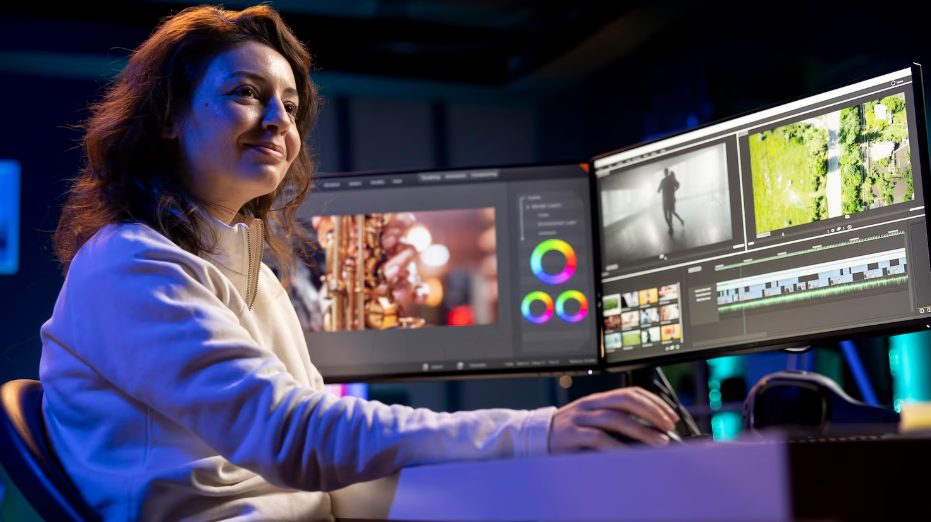
Post-production is another important stage. Editing can remove unnecessary sections, improve the flow of the story and ensure that the finished video communicates its message efficiently. Music, graphics, captions and other elements can also be incorporated where they genuinely add value.
Making Corporate Videos More Effective
A corporate video should be created with its distribution in mind. A video intended for a website may have different requirements from content designed for social media, an exhibition or a corporate presentation.
Length is another consideration. There is no universal ideal duration for every corporate video. The appropriate length depends on the subject, audience and platform. What matters most is maintaining the viewer’s interest and providing useful information without unnecessary repetition.
Businesses can also consider how a larger production might generate multiple pieces of content. Longer footage from an interview or corporate event may provide opportunities to create shorter clips for digital channels, extending the value of the original production.
Choosing a Corporate Videography Partner
Selecting the right production company involves considering creative quality, communication and experience. A portfolio can provide insight into a team’s visual style, but businesses should also look for evidence that the company understands different corporate objectives.
Clear communication throughout the project is essential. The production team should understand the company’s goals, audience and brand before filming begins. Expectations regarding schedules, locations, revisions and final deliverables should also be established early.
The right partner should be able to balance creativity with practicality. A visually impressive video is useful only when it supports the message the business needs to communicate.

Conclusion
Corporate videography provides businesses with an engaging way to communicate their identity, expertise and values. From company profiles and leadership interviews to promotional campaigns and event coverage, professionally produced video can support a wide range of business objectives.
The most effective corporate videos combine strong storytelling with thoughtful planning and professional production. When the concept, visuals, sound and editing all work towards the same goal, the result can be more than a polished video. It can become a lasting communication asset that helps a business connect with its audience, strengthen its brand and present its story with greater confidence.