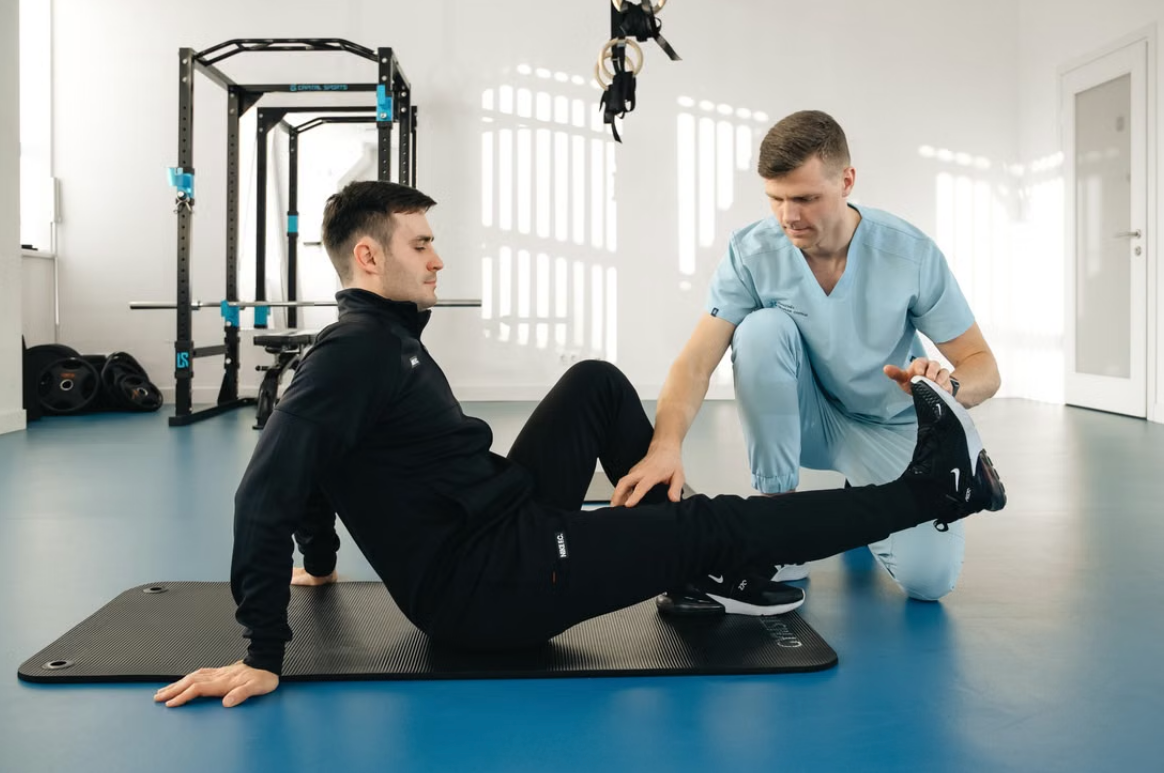
Whether you are a competitive athlete, a regular gym-goer or someone who simply enjoys staying active, an injury can quickly interrupt your routine. A sprained ankle, muscle strain, knee problem or recurring pain can make everyday movement uncomfortable and leave you wondering when it is safe to return to exercise.
This is where sports physiotherapy can play an important role. Sports physiotherapy helps people recover from injuries, restore movement, and gradually return to physical activity. It is not only about treating pain. A good rehabilitation programme also considers strength, flexibility, movement patterns, and the demands of the activity you want to return to.
For people looking for sports physio in Singapore, understanding what physiotherapy involves can help you know what to expect and when professional support may be useful.
What Is Sports Physiotherapy?
Sports physiotherapy is a branch of physiotherapy that focuses on injuries and physical problems associated with sport, exercise and active lifestyles. It can be relevant to professional athletes, recreational runners, gym users and anyone whose physical activity has been affected by an injury.
Treatment can vary depending on the individual and the nature of the problem. A physiotherapist may assess movement, muscle strength, joint mobility and functional ability before developing a rehabilitation plan.
The objective is generally to restore normal function and help the person return to their preferred activities safely and progressively.
Common Injuries Treated by Sports Physiotherapists
Sports-related injuries can affect almost any part of the body. Common examples include ankle sprains, muscle strains, tendon problems, knee injuries and shoulder issues.
Running and jumping activities can place considerable stress on the lower limbs, while sports involving throwing, lifting or repeated overhead movements can affect the shoulders and arms.
The Importance of an Initial Assessment
Before beginning rehabilitation, a physiotherapist will generally want to understand what happened and how the injury is affecting you.
The assessment may involve discussing symptoms, training habits, previous injuries and the activities you want to return to. Physical assessments may also look at movement, strength, balance, flexibility and joint function.
This information can help identify areas that may need attention during rehabilitation.
An assessment is particularly useful because two people with similar symptoms may have different contributing factors. A personalised approach can therefore be more appropriate than simply following a generic exercise programme.
Managing Pain While Staying Active
Pain can make people hesitant to move after an injury. At the same time, avoiding all movement for too long is not always the best approach for recovery.
A physiotherapist can help determine which movements and activities are appropriate at different stages. The goal may be to maintain suitable levels of activity while avoiding movements that unnecessarily aggravate the injury.
The amount of activity that is appropriate will depend on the injury, its severity and the individual’s recovery.
Learning how to manage activity levels can also help people avoid the common mistake of doing too much too soon.
Building Strength After an Injury
Strength often becomes an important part of rehabilitation. An injury, period of rest or reduced activity can affect the muscles around the affected area.
A physiotherapist may prescribe specific strengthening exercises based on the individual’s needs. These exercises can start with relatively simple movements and gradually become more demanding as strength and control improve.
For athletes, rehabilitation may eventually involve exercises that resemble the demands of their sport.
The progression should be based on ability rather than simply on a fixed number of days or weeks.
Improving Mobility and Flexibility
Restricted movement can affect how a person walks, runs, lifts or performs other activities. Depending on the injury, physiotherapy may therefore include exercises designed to improve joint mobility or flexibility.
However, flexibility is not necessarily the only goal. Movement needs to be appropriate for the activity being performed.
For example, an athlete may need sufficient joint mobility to perform a particular movement while also having the strength and control to maintain stability.
This is why rehabilitation often combines mobility work with strengthening and movement exercises.
Balance, Coordination and Movement Control
After certain injuries, particularly lower-limb injuries, balance and coordination can be affected.
An individual may feel physically stronger but still lack confidence or control when standing on one leg, changing direction or landing from a jump.
Sports physiotherapy can include exercises that challenge balance, coordination and movement control. These activities can become progressively more demanding as recovery develops.
For athletes, this can be particularly important because sports often involve rapid changes in direction, acceleration, deceleration and unpredictable movements.
Returning to Training Gradually
One of the most important stages of rehabilitation is returning to normal training. Being able to perform basic movements without significant discomfort does not necessarily mean that someone is ready to return immediately to full-intensity sport.
A gradual return allows the body to adapt to increasing physical demands.
For example, a runner may progress from walking to light jogging before gradually increasing distance and intensity. Someone returning to a field sport may need to work through running, changes of direction and sport-specific drills before returning to full competition.
The exact progression will depend on the injury and the demands of the activity.
Preventing the Same Injury From Returning
Rehabilitation should not always stop as soon as pain improves. If an underlying weakness, movement issue or training problem contributed to the original injury, addressing it may help reduce the risk of future problems.
This does not mean that every injury can be prevented. Injuries can occur even when someone trains carefully.
However, improving strength, movement control, training habits and recovery practices can be useful parts of a long-term approach to physical activity.
A physiotherapist may also provide advice about exercise technique, training progression and workload management.
Sports Physiotherapy for Different Types of People
Sports physiotherapy is not only for elite athletes. Recreational athletes can benefit from professional guidance as well.
A person who runs several times a week may need help with a persistent knee problem. Someone who plays badminton at weekends may require rehabilitation after an ankle injury. A gym user may need support for a shoulder or back problem.
The treatment approach should reflect the person’s actual lifestyle and goals.
Someone who wants to return to competitive sport may require a different rehabilitation programme from someone whose goal is simply to walk comfortably or return to recreational exercise.
When Should You See a Physiotherapist?
There is no single point at which everyone should seek physiotherapy. However, persistent pain, reduced movement, weakness or difficulty returning to normal activity can be reasons to seek professional assessment.
A sudden or serious injury may require prompt medical assessment, particularly if there is significant swelling, deformity, inability to bear weight or other concerning symptoms.
Physiotherapy can then form part of the recovery process where appropriate.
It is also possible to seek professional advice before an injury becomes severe. Recurring discomfort during training may be worth discussing rather than repeatedly ignoring it.
Conclusion
Sports physiotherapy can support recovery by addressing more than the immediate symptoms of an injury. Assessment, strength training, mobility work, balance exercises and a gradual return to activity can all form part of a rehabilitation programme.
For people considering sports physio in Singapore, the right approach will depend on the injury, lifestyle and physical goals of the individual. Professional guidance can help establish an appropriate progression while teaching people how to manage their activity during recovery.
Returning to exercise is not necessarily about rushing back as quickly as possible. A controlled progression can give the body time to rebuild strength, movement and confidence before returning to higher levels of activity.