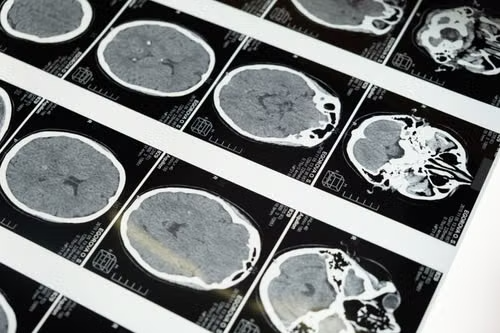
Modern approaches to mental wellness continue to explore non-invasive options that can complement established forms of care. Magnetic brain stimulation therapy is one approach that uses magnetic pulses to stimulate specific areas of the brain. Often discussed in connection with TMS magnetic brain stimulation, this type of treatment has attracted interest among people exploring alternatives or additions to conventional mental health support.
What Is Magnetic Brain Stimulation?
Magnetic brain stimulation involves using magnetic fields to influence activity in targeted areas of the brain. Unlike treatments that require medication to enter the bloodstream, this approach works through stimulation delivered externally.
The technology has been studied for its potential role in mental health care and neurological applications. Depending on the specific system and treatment protocol, stimulation can be directed towards particular brain regions associated with mood, cognition and other functions.
The non-invasive nature of this approach is one reason it has become an area of interest in modern treatment settings.
Understanding TMS Magnetic Brain Stimulation
TMS magnetic brain stimulation refers to transcranial magnetic stimulation, a technique that uses electromagnetic pulses to stimulate areas of the brain. A specialised device is positioned near the patient's head, allowing magnetic pulses to be delivered to a targeted region.
Treatment protocols can vary depending on the technology being used and the individual's needs. Sessions are generally conducted in a clinical environment under professional supervision.
The approach differs from surgical procedures because it does not require an incision or implantation of a device.
How Magnetic Stimulation Works
The brain contains networks of interconnected nerve cells that communicate through electrical and chemical signals. Magnetic stimulation uses carefully controlled magnetic pulses to influence activity within selected regions.
The exact effects can depend on factors such as stimulation intensity, treatment location and the protocol used. This is why assessment and professional guidance are important when considering this type of therapy.
Rather than being a one-size-fits-all approach, treatment may be structured around the individual's circumstances and the technology available at the clinic.
Exploring Non-Invasive Treatment Options
One of the notable features of magnetic brain stimulation therapy is its non-invasive nature. There is no surgical procedure involved, which can make this type of treatment appealing to individuals interested in alternatives to more invasive approaches.
Non-invasive does not mean that professional assessment is unnecessary. Anyone considering brain stimulation should discuss their circumstances with a qualified healthcare professional to determine whether the treatment is appropriate.
A thorough consultation can also provide an opportunity to discuss expectations, treatment schedules and possible considerations before beginning therapy.
Potential Mental Wellness Applications
Magnetic stimulation has been researched in relation to several mental health conditions and symptoms. TMS has established clinical applications in certain settings, particularly in relation to depression that has not responded adequately to conventional treatment.
Newer technologies and protocols are also being explored for broader mental wellness applications. The suitability of a particular treatment depends on the individual's condition, medical history, and the specific system being used.
It is useful to view brain stimulation as one possible component of a wider care plan rather than a universal solution.
What Can a Treatment Session Be Like?
The experience of a treatment session can vary depending on the device and protocol. A patient typically remains awake while the stimulation is delivered to a targeted area of the head.
A healthcare professional will position the equipment appropriately and monitor the session. Some people may experience sensations around the treatment area during stimulation, while experiences can differ from one individual to another.
The number and frequency of sessions depend on the treatment plan recommended by the healthcare provider.
The Importance of Professional Assessment
Before undergoing magnetic brain stimulation, individuals should receive an appropriate assessment. A healthcare professional can review medical history, current symptoms, and other relevant factors before deciding whether a particular treatment is suitable.
This assessment is especially important because different conditions may require different forms of care. Magnetic stimulation should not be viewed as a replacement for professional diagnosis or personalised treatment planning.
Patients should also discuss any existing treatments or medications with their healthcare provider.
Looking at Treatment as Part of a Wider Plan
Mental wellbeing can involve multiple factors, including physical health, lifestyle, social support and psychological care. For some individuals, brain stimulation may form one part of a broader treatment programme.
Other forms of support may include counselling, behavioural approaches, medication or lifestyle adjustments, depending on individual circumstances.
Combining appropriate forms of care under professional guidance can provide a more comprehensive approach to managing mental health concerns.
Conclusion
TMS magnetic brain stimulation represents a non-invasive approach that uses controlled magnetic pulses to influence activity in targeted areas of the brain. With established clinical applications and continuing research into newer technologies, magnetic stimulation remains an area of interest within modern mental healthcare.
Anyone considering magnetic brain stimulation therapy should consult a qualified healthcare professional to understand whether the treatment is suitable for their individual needs. A personalised assessment can help set realistic expectations and determine how this type of therapy may fit within a broader approach to mental wellness.