
Key Takeaways
- Inspect the structure and site before demolition begins.
- Confirm permits, utility disconnections, and local requirements.
- Check for hazardous materials that need special handling.
- Establish safety measures and protect nearby properties.
- Plan debris sorting, hauling, and proper disposal.
- Restore the site through cleanup, filling, grading, and drainage improvements.
- Get a detailed written estimate to avoid unexpected costs.
Building demolition is more than knocking down walls, roofs, and foundations. It is a construction project that requires planning around the structure’s condition, the work area, utilities, waste, nearby property, and local requirements. Property owners considering professional help can review https://www.kpsexcavation.com/demolition/ while building a clearer picture of the work involved. A careful approach helps prevent avoidable delays, unsafe structural movement, property damage, dust complaints, and surprise costs. It also creates a better starting point for whatever comes next, whether the cleared site will support new construction, landscaping, parking, or an open lot.
Why Demolition Planning Matters
Every site presents different conditions. The safest removal method for a detached house may not suit a commercial structure, a building attached to another property, or a site with narrow access. Planning should account for the building’s age, layout, structural condition, equipment access, drainage, and the materials that will be removed. Rushed work can leave important questions unanswered. For example, crews may discover hidden damage, buried concrete, old utility connections, or materials that require special handling only after work has started. A written plan gives the owner, contractor, and relevant agencies a shared sequence for managing those issues.
Start With A Thorough Site Review
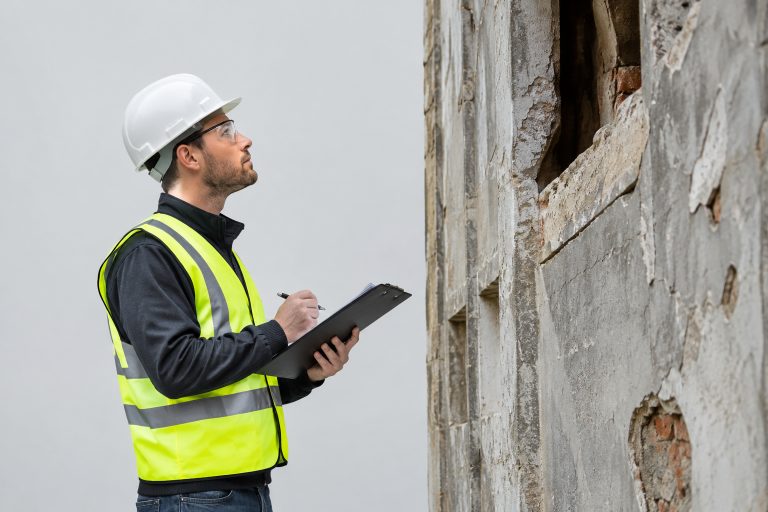
The first site review should be a fact-finding process, not a quick walk-around. Inspect the building and surrounding area before deciding how equipment, workers, trucks, and debris containers will move through the property.
- Inspect the roof, floors, walls, foundation, and visible signs of movement.
- Look for water damage, fire damage, rot, cracks, or unstable sections.
- Measure gates, driveways, turning areas, and overhead clearances.
- Identify trees, fences, sidewalks, landscaping, and structures that must remain.
- Review slopes, drainage paths, and low areas where water may collect.
Older buildings often need added attention because earlier repairs, additions, concealed framing, and unknown materials can affect the removal sequence. If the condition of a structural element cannot be safely confirmed, the work plan should allow time for a qualified evaluation.
Check Permits And Utility Lines
Demolition requirements differ by jurisdiction, so owners should contact the local building department before scheduling work. Depending on the project, permits, inspections, notices, disposal documentation, and site-control measures may be required. Utility coordination is equally important. Electrical, gas, water, sewer, telecommunications, and other services should be identified and properly disconnected, capped, relocated, or otherwise controlled by the appropriate provider or qualified professional.
- Contact the local building department and confirm the required approvals.
- Arrange the required inspections and keep approvals on site.
- Request utility markings before excavation or heavy equipment work.
- Confirm utility disconnects in writing when the local process requires it.
- Review the work area again before demolition begins.
Look For Hazardous Materials
Demolition can disturb asbestos-containing materials, lead-based paint, mold, silica-containing dust, old insulation, fuel tanks, and chemicals left behind from previous uses. Some hazards cannot be identified during a basic visual inspection, particularly in older or heavily modified buildings. When a building’s age, condition, or history raises concerns, testing and professional assessment should happen before materials are cut, crushed, moved, or disposed of. Owners of affected buildings should understand federal asbestos requirements for demolition and renovation, while also checking state and local rules that may be more restrictive.
Build A Clear Safety Plan
A safety plan should match the building and the chosen removal method. It should establish who controls the site, where equipment may travel, how workers communicate, where debris will be placed, and what happens when conditions change unexpectedly.
- Create a controlled work zone with clear boundaries.
- Keep visitors and unauthorized people outside the active area.
- Use task-appropriate protective equipment.
- Plan for severe weather, fire, injuries, and structural instability.
- Inspect the structure as materials are removed.
- Stop work when hidden hazards or unsafe conditions appear.
Demolition is often described as construction in reverse, but it can reveal unknown conditions not visible in the original design. Following planning, protective equipment, and worker training practices helps crews prepare for structural, health, and utility hazards before removal begins.
Protect Nearby Property And People
Dust, falling material, vibration, noise, truck traffic, and equipment movement can affect neighboring homes, businesses, sidewalks, and streets. Barriers, warning signs, designated haul routes, dust-control methods, and protected areas for retained landscaping or surfaces should be part of the site plan. For example, a small house beside a shared driveway may require compact equipment, spotters, and a carefully staged debris pickup plan. Limited space changes how materials are removed and where trucks can safely load without blocking access or damaging adjacent property.
Plan Debris Removal And Material Sorting
Cleanup should be planned before demolition starts. Knowing where each material will go reduces clutter in the work zone and helps prevent regulated materials from being mixed with ordinary waste.
- Concrete and masonry: Consider approved options for recycling, crushing, reuse, or disposal.
- Metal: Separate steel, copper, aluminum, and other recoverable scrap when practical.
- Wood: Identify materials that are reusable, treated, painted, damaged, or unsuitable for reuse.
- Hazardous materials: Follow applicable packaging, transport, and disposal requirements.
- General waste: Use suitable containers and approved disposal facilities.
What Happens On Demolition Day?
The exact order of work varies, but a typical project begins with a review of the plan, site boundaries, and utility status. Separately handled materials are removed first, followed by the planned structural removal sequence. Crews monitor dust, equipment movement, falling material, and truck access throughout the process. If workers discover unstable framing, buried structures, damaged foundations, or suspect materials, the safest response is to pause and reassess. A strong plan does not force crews to continue when site conditions no longer match the original assumptions.
Restore And Inspect The Site
The project is not complete when the structure is gone. Remaining work may include removing foundations, filling voids, compacting fill, grading the surface, repairing access areas, and managing drainage to ensure water moves away from nearby structures.
- Remove visible debris, sharp objects, and loose material.
- Check for buried glass, metal, wood, and concrete remnants.
- Fill open foundations, basements, and utility trenches as required.
- Compact fill where future settlement could create problems.
- Grade the site to avoid standing water and erosion.
Common Questions About Building Demolition
How Early Should Demolition Planning Begin?
Planning should begin once removal becomes a realistic option. Early preparation leaves time for permits, utility coordination, inspections, material testing, equipment scheduling, and disposal arrangements.
Can A Property Owner Handle Demolition Alone?
Small cleanup projects may be treated differently from structural demolition, but utilities, instability, hazardous materials, heavy equipment, and waste hauling create serious risks. Owners should confirm local requirements and use qualified help when the work exceeds basic cleanup.
What Causes Delays?
Common causes include missing approvals, utility issues, weather, limited access, hazardous-material findings, hauling constraints, and unexpected foundation conditions.
What Should A Written Estimate Include?
A useful estimate should clearly address labor, equipment, permits, hauling, disposal, cleanup, grading, surface repairs, and potential change-order conditions.
Final Thoughts
Safe demolition begins well before equipment arrives. A thorough review of the structure, proper coordination with utilities, hazard checks, site controls, organized debris handling, and final restoration all contribute to a more manageable project. Before work starts, property owners and contractors should understand the building’s condition, identify materials that may require special handling, and confirm whether permits or inspections are necessary. Utilities such as electricity, gas, water, and sewer connections must also be addressed to reduce the risk of accidents during demolition. Establishing restricted work areas, planning equipment access, and communicating safety requirements help protect workers, visitors, and nearby properties. Debris should be separated, transported, and disposed of according to applicable requirements, particularly when materials may contain hazardous substances. Once the structure is removed, the remaining site should be inspected for buried debris, exposed hazards, uneven ground, and drainage concerns. Final grading, cleanup, and restoration can then prepare the property for redevelopment, new construction, or another intended use. Taking time to coordinate these steps helps reduce avoidable delays, limit environmental impacts, and ensure the site is left in a condition suitable for the next phase of work.