Key Takeaways
- Review final loan and settlement documents before closing day.
- Compare the Closing Disclosure with the earlier Loan Estimate.
- Use the final walk-through to confirm the home matches the contract.
- Verify wiring instructions by phone using a trusted phone number.
- Keep copies of signed documents, repair records, and insurance information.
Closing day turns a signed purchase agreement into ownership, but several important checks remain before the final signatures. Buyers should use the last days before settlement to verify loan terms, inspect the property, confirm payment instructions, and understand documents such as the title insurance policy that may appear in their closing package.
Requirements differ by loan type, contract, state, county, lender, and settlement office. Still, a clear closing checklist can help buyers identify mistakes while there is time to fix them, rather than discovering a problem after funds have been sent or documents have been recorded.
Why the Final Days Before Closing Matter
A purchase agreement is a major milestone, not the end of the transaction. Funding, recording, possession, and key delivery can depend on accurate documents and completed conditions. For example, a buyer might notice that a seller credit is missing from the final figures or find that an agreed repair was not finished. Raising the issue before signing gives the lender, seller, agents, and settlement professionals an opportunity to address it.
Follow a Simple Closing Timeline
- One to two weeks before closing: Confirm final loan approval, homeowners insurance, repair agreements, utility plans, and outstanding document requests.
- At least three business days before closing: Review the Closing Disclosure. For most covered mortgage loans, lenders must provide it at least three business days before closing.
- One or two days before closing: Complete the final walk-through, verify the signing appointment, and confirm how closing funds must be delivered.
- On closing day: Bring required identification, carefully review documents, ask questions, and do not sign paperwork you do not understand.
- After signing: Confirm when recording and possession will occur, then store the final closing package securely.
Review the Main Closing Documents
Loan and settlement paperwork
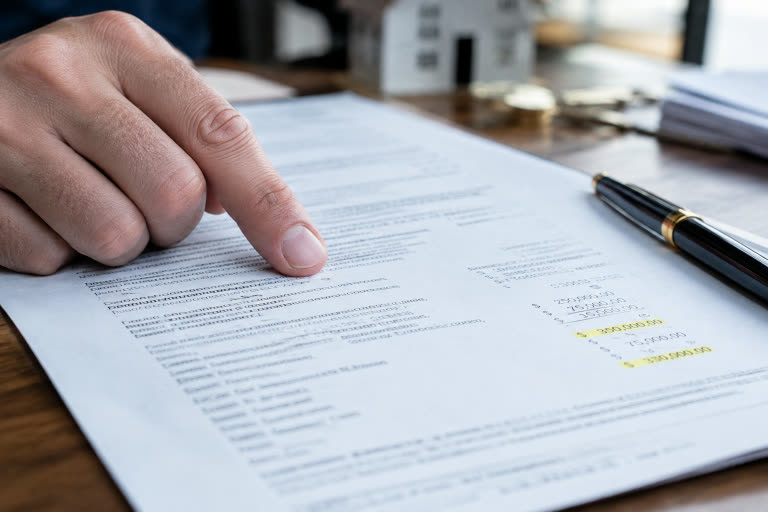
The Closing Disclosure is the central document for reviewing your final mortgage terms and closing costs. Check the loan amount, interest rate, monthly principal and interest payment, estimated escrow payment, prepaid items, credits, and total cash needed to close. The promissory note states your promise to repay the loan, including the interest rate and repayment terms. The mortgage or deed of trust secures the loan with the property, so verify the borrower names, lender name, and property address.
Also compare the purchase agreement with the settlement statement or other final accounting. Confirm that seller credits, earnest money, included appliances, repair obligations, and any agreed personal property are handled as expected. The mortgage closing process guidance from the Consumer Financial Protection Bureau recommends reviewing documents in advance and asking about fees or terms you do not understand.
Ownership documents
Check how each buyer’s name will appear on the deed and discuss the intended form of ownership with a qualified local professional if you are uncertain. The deed is generally recorded after closing, and recording practices and timing can vary by location. Ask the settlement office when you can expect confirmation that recording is complete.
Compare the Loan Estimate and Closing Disclosure
Do not review the Closing Disclosure in isolation. Place it beside the Loan Estimate received earlier in the loan process and look for changes in the following areas:
- Loan amount, interest rate, and monthly payment
- Origination charges and lender credits
- Appraisal, title, recording, and government charges
- Prepaid interest, homeowners insurance, and property taxes
- Initial escrow deposits
- Cash needed to close
Some figures can change because of legitimate adjustments, while others are limited by federal disclosure rules. Ask the lender or settlement agent to explain every unfamiliar difference in writing. A clear explanation is more useful than guessing whether a revised charge is correct.
Check the Property One More Time
The final walk-through is not a replacement for the home inspection. It is a last condition check shortly before closing. Bring the repair agreement, inspection response, and a phone or camera for notes and photos. Confirm that agreed repairs are complete, included appliances and fixtures remain, and the seller has removed belongings if the contract requires vacancy.
- Look for new damage caused by moving out.
- Test lights, faucets, toilets, heating, and cooling when practical.
- Confirm that keys, remotes, access cards, and mailbox keys will be available.
- Document any concern immediately and notify your real estate professional or settlement office before signing.
Understand the Cash Needed to Close
The final amount due is not necessarily the same as the down payment. It can include the down payment, lender charges, appraisal or credit report charges, recording fees, prepaid interest, insurance premiums, tax adjustments, and escrow deposits. Earnest money, seller concessions, lender credits, and other approved adjustments can reduce the amount.
Request the final amount and delivery instructions early. Do not rely on an old estimate, a text message, or a verbal approximation when arranging funds. Your settlement office can explain what makes up the final figure and whether certified funds, a wire transfer, or another payment method is required.
Protect Your Closing Funds From Wire Fraud
Warning: Pause before sending money if payment instructions arrive unexpectedly, contain a new account number, or create pressure to act immediately.
Real estate transactions can be targeted by criminals who impersonate settlement professionals and send false wire instructions. Call the settlement office using a phone number you found independently, such as one from the company’s official website or earlier verified paperwork. Confirm the account name and instructions verbally, then verify that the funds arrived. Never treat a last-minute email change as reliable without independent confirmation.
Questions to Ask Before Signing
- What is the exact cash amount required to close?
- Which fees or credits changed from the Loan Estimate?
- Have all agreed repairs been completed or otherwise resolved?
- When will the deed be recorded and when will keys be released?
- When is the first mortgage payment due?
- Who should I contact if I need a missing document after closing?
Use a Local Checklist for Extra Requirements
Buyers using down payment assistance, purchasing a condominium, or buying in a locality with special program rules may need extra documentation. For example, the City of Minneapolis provides a homebuyer checklist for program participants. Ask your lender, housing counselor, association, or settlement professional which local requirements apply to your purchase.
What to Bring and What to Do After Closing
Confirm requirements before leaving for the appointment, but buyers commonly need government-issued photo identification, proof of homeowners insurance, a copy of the purchase agreement, proof of funds delivery if applicable, and paperwork for assistance programs. Bring a written question list as well.
After signing, save digital and paper copies of the Closing Disclosure, note, deed-related documents, insurance policy, warranties, and repair receipts. Confirm recording status, set up utilities, update your mailing address, and calendar the first mortgage payment. Careful preparation will not eliminate every closing issue, but it can make the final stage clearer, safer, and far easier to manage.