Table of Contents
-
Start With the Main Goal
-
Compare Common Fence Materials
-
Choose the Right Fence Style
-
Plan for Pets and Children
-
Balance Privacy and Airflow
-
Review Property Lines and Local Rules
-
Think Through Gates and Access
-
Estimate Maintenance and Lifespan
-
Avoid Common Planning Mistakes
-
Build a Simple Fence Checklist
-
Conclusion
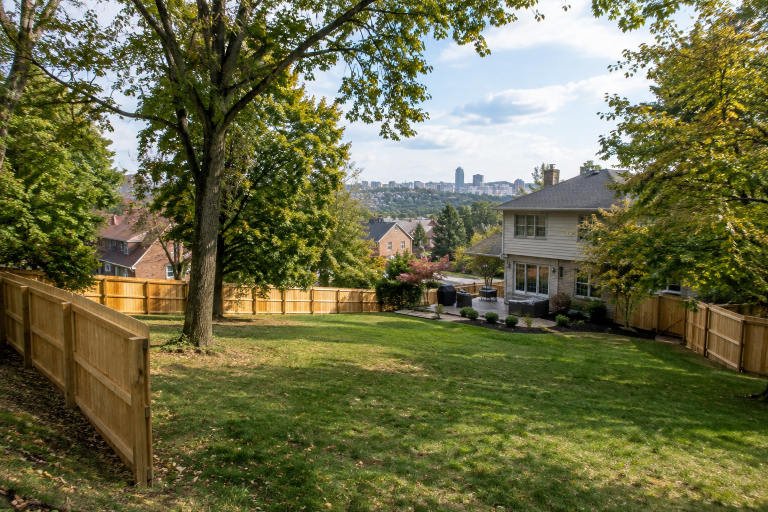
A new fence can change how a Cincinnati property feels and functions, whether the goal is a quieter backyard, a safer space for a dog, or a more finished look along the street. Homeowners considering wood fence installation Cincinnati should begin with the everyday purpose of the fence, not just its appearance in a product photo.
That approach matters in Cincinnati, where properties range from compact city lots and historic neighborhoods to sloped suburban yards with mature trees. Seasonal rain, summer humidity, and winter freeze-thaw cycles can all affect drainage, post stability, hardware, and the long-term care a fence may need.
1. Start With the Main Goal
The best fence depends on what it needs to accomplish. A backyard privacy fence may call for tall, closely spaced boards, while a front-yard boundary may need a more open design that complements the home and preserves sightlines. Write down the primary goal before comparing materials or requesting estimates.
-
Reduce views from nearby homes, sidewalks, or busy streets.
-
Create a contained area for pets, children, gardens, or play equipment.
-
Define a patio, pool area, side yard, or property edge.
-
Improve access control around gates and service areas.
-
Add curb appeal that fits the house and surrounding neighborhood.
2. Compare Common Fence Materials
Every material involves trade-offs in appearance, upkeep, visibility, and repair options. Consider how the fence will look from both sides, how exposed it will be to moisture, and whether individual sections may need replacement later.
Wood
Wood offers a traditional appearance and can be built in privacy, picket, shadowbox, and decorative styles. It also allows flexible sizing and straightforward repairs to individual boards. Periodic staining, sealing, or painting may be needed to maintain the finish and protect the material.
Vinyl
Vinyl provides a consistent finished look and is typically cleaned with simple washing. It can suit homeowners who prefer low routine upkeep, although its appearance is more uniform than natural wood and damaged sections may need matching replacement parts.
Aluminum
Aluminum fencing works well where visibility and airflow matter. Its open rails can define a boundary without hiding landscaping, views, or a carefully maintained yard. It is often a practical choice around decorative planting beds and sloped areas.
Chain Link
Chain link is a functional option for pet enclosures, utility areas, and larger boundaries where visibility is acceptable. Privacy slats or landscaping can soften its appearance, but those additions should be planned so they do not interfere with gates or maintenance.
3. Choose the Right Fence Style
Fence style influences privacy, light, wind movement, and the visual scale of a yard. A solid fence can make a patio feel secluded, while a more open layout can keep a small lot from feeling enclosed.
-
Solid panels: Best suited to blocking views and creating a defined backyard retreat.
-
Picket fences: A classic option for front yards, gardens, and homes where openness is important.
-
Semi-private designs: Alternating or spaced boards offer partial screening while allowing light and air through.
-
Ranch-style fencing: Can help mark larger, more open properties without creating a closed-in appearance.
-
Decorative tops: Lattice, arches, or cap details can add character near entrances and entertaining areas.
4. Plan for Pets and Children
A fence intended for children or animals should be evaluated at ground level as well as at the top. Small dogs may fit through openings or beneath a bottom rail, while larger dogs may jump or climb if furniture, retaining walls, or dense shrubs create an easy launch point.
-
Check gaps below the fence and between pickets.
-
Use secure, reliable gate latches.
-
Plan for slopes so the layout does not create escape spaces.
-
Keep climbable objects away from the fence line when possible.
-
Confirm that gates close fully without dragging on the ground.
5. Balance Privacy and Airflow
Full privacy is not always necessary around every edge of a property. A homeowner with a small patio may choose a solid fence along the seating area, then use a semi-private or open design along a side yard. This mixed approach can create useful privacy while preserving light, airflow, and a more open view elsewhere.
6. Review Property Lines and Local Rules
Do not assume an existing fence marks the legal boundary. Review the property survey, discuss plans with neighbors when appropriate, and confirm the rules that apply before materials are ordered. In the City of Cincinnati, fence height, opacity, driveway visibility, and approval requirements can vary according to location and zoning conditions. Historic districts and corner lots may require extra attention.
7. Think Through Gates and Access
Gates deserve the same planning as the fence itself. A convenient pedestrian gate supports daily use, while a wider opening can make lawn care, trash handling, deliveries, and future landscaping projects much easier. Consider where a gate will swing, how it will latch, and whether it could obstruct a driveway, sidewalk, or shared access area.
8. Estimate Maintenance and Lifespan
Look beyond the initial installation cost. Sun exposure, standing water, landscaping, soil movement, and routine hardware adjustments can influence the ownership experience. Make a maintenance plan that includes cleaning, checking posts, tightening hinges, trimming vegetation away from the fence, and addressing damage before it spreads.
9. Avoid Common Planning Mistakes
-
Choosing a style before identifying the fence’s main job.
-
Assuming an old fence establishes the property line.
-
Overlooking slopes, drainage paths, trees, and retaining walls.
-
Installing too few gates for normal yard access.
-
Ignoring neighborhood, historic-district, or municipal requirements.
-
Selecting latches that are not suitable for pets or young children.
-
Focusing only on purchase price instead of long-term upkeep.
10. Build a Simple Fence Checklist
-
Define the primary reason for the fence.
-
Measure the boundary and identify slopes, trees, utilities, and difficult corners.
-
Review the survey and confirm applicable local rules.
-
Before posts are set, notify Ohio 811 before digging so participating utilities have time to mark their underground lines.
-
Compare materials based on appearance, privacy, upkeep, and budget.
-
Select the height, style, gate locations, and latch hardware.
-
Request a written scope that clearly identifies materials, layout, cleanup, and any maintenance expectations.
Conclusion
Good fence planning begins with how a Cincinnati home and yard are actually used. When privacy, pet safety, access, appearance, local rules, and maintenance are considered together, homeowners can choose a fence that feels purposeful on installation day and continues to work well through the years ahead.