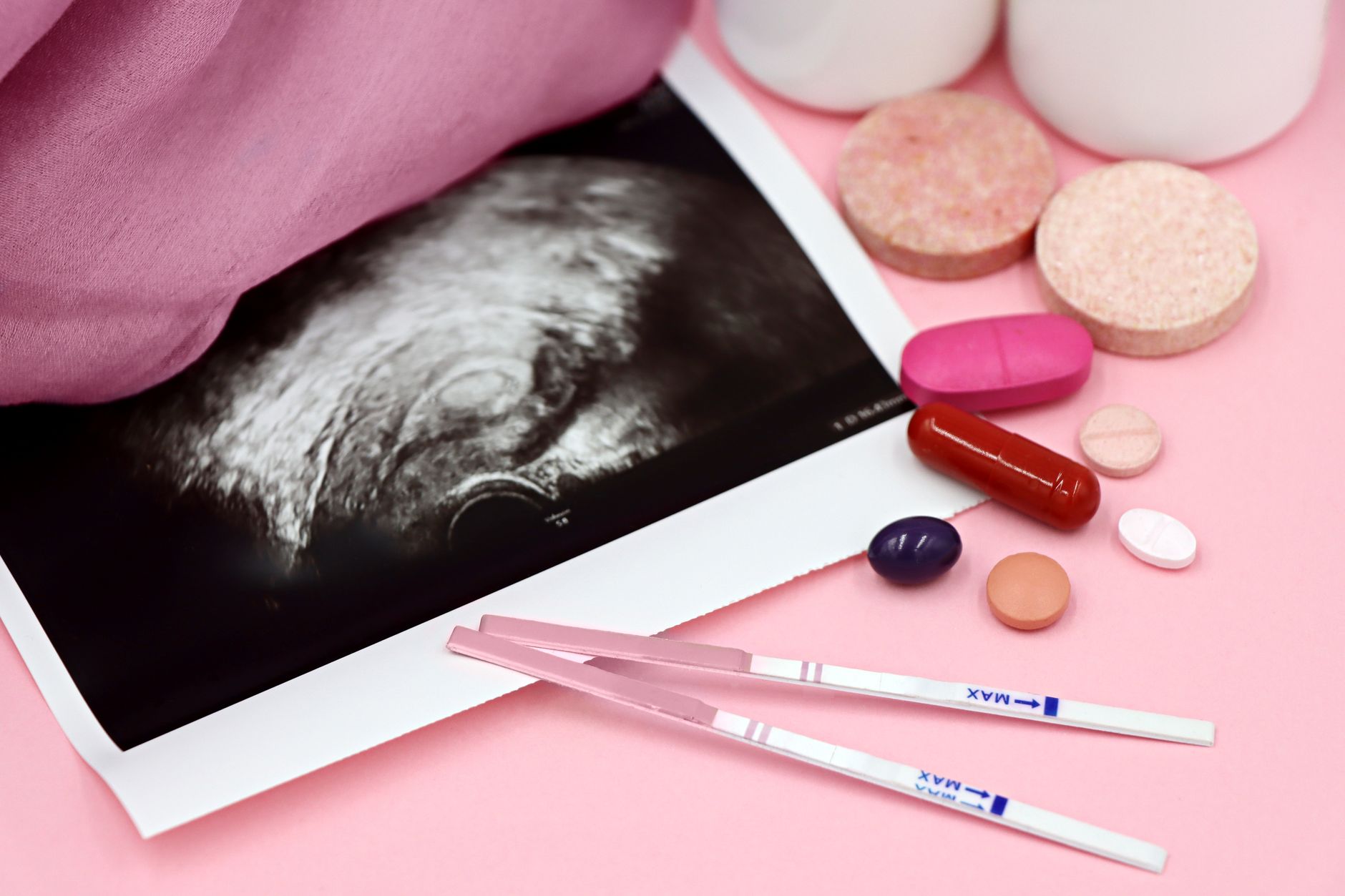
Preparing for pregnancy involves more than deciding when to start trying for a baby. It also means paying attention to nutrition, daily habits, existing health conditions and nutrients needed during early development. Fertility tablets for women can form part of this preparation when they address specific nutritional requirements. However, supplements cannot guarantee conception. Understanding their purpose, choosing suitable formulations and seeking professional guidance can help women make informed decisions before pregnancy.
Understanding Preconception Care
Preconception care focuses on health before pregnancy begins. Women can review their diet, discuss medical history with a healthcare professional and identify nutritional needs that may require attention. Planning ahead helps prepare questions for clinicians.
A balanced diet containing fruits, vegetables, whole grains, protein sources, healthy fats and essential micronutrients provides a strong foundation. However, dietary intake may not always meet every nutritional requirement.
Supplements can help bridge specific nutritional gaps when recommended appropriately. They should complement a healthy lifestyle rather than replace nutritious meals, medical assessment or other aspects of preconception care.
Why Nutritional Preparation Matters Before Conception
The body begins supporting early pregnancy before many women realise they have conceived. Certain nutrients contribute to normal cell division, tissue development, blood formation and other essential biological processes.
Folic acid is particularly important. Adequate intake before conception and during early pregnancy helps reduce the risk of neural tube defects, which affect the developing brain and spinal cord. Women planning pregnancy are generally advised to take 400 micrograms of folic acid daily, starting at least one month before conception and continuing through the first 12 weeks of pregnancy. Some medical conditions or medications may require a different dose prescribed by a healthcare professional.
Iron supports haemoglobin production and oxygen transport, while vitamin B12 contributes to red blood cell formation and neurological function. Vitamin D supports calcium absorption and bone health. Iodine is necessary for thyroid hormone production, which plays an important role in growth and development.
How Fertility Supplements May Support Reproductive Health
Fertility supplements contain selected vitamins, minerals and other ingredients intended to support nutritional needs before pregnancy. Their usefulness depends on the formulation, a woman's health and whether she has particular nutritional gaps.
Supporting Normal Ovulation
Ovulation occurs when an ovary releases an egg. Adequate nutrition supports normal body functions, while hormonal conditions can affect ovulation.
Some preconception formulations contain nutrients intended to support normal reproductive functions. However, supplements are not a proven solution for irregular ovulation or hormonal disorders. Persistent cycle irregularities deserve medical assessment to identify the underlying cause.
Providing Nutrients for Egg Development
Egg development involves complex cellular processes. Coenzyme Q10, or CoQ10, participates in cellular energy production and appears in certain fertility supplements. Zinc supports normal cell division, while folate contributes to DNA synthesis and cell growth.
Evidence for benefits such as improved egg quality or higher pregnancy rates varies by ingredient and individual circumstances.
Supporting Nutritional Readiness
Supplements can help address specific nutritional needs before conception, particularly when dietary intake is insufficient. Women with restrictive diets may need particular attention to vitamin B12; professional advice can clarify whether supplementation is appropriate.
Products marketed as tablets for pregnancy conceive should be evaluated by their ingredients, intended use and available evidence rather than promises of quick results. The goal is to prepare responsibly, not to assume that taking more supplements will improve fertility.
Choosing a Suitable Preconception Supplement
Choose supplements by reviewing ingredients, serving instructions, nutrient amounts and manufacturer warnings, not popularity.
Practical considerations include:
- Check the formulation: Look for ingredients relevant to preconception nutrition and understand their intended roles.
- Avoid duplication: Combining supplements can lead to excessive intake of certain nutrients.
- Review medication: Some ingredients interact with medicines or may be unsuitable for particular conditions.
- Seek professional advice: A doctor can consider medical history, diet, laboratory results and pregnancy plans.
- Follow label directions: Do not increase the recommended serving to try to accelerate conception.
Women with polycystic ovary syndrome, thyroid disorders or fertility difficulties may need individualised care.
Lifestyle Habits That Complement Supplementation
Follow a Balanced Diet
Include vegetables, fruits, pulses, whole grains, nuts, seeds and suitable protein sources in regular meals. A varied diet helps provide vitamins, minerals, fibre and other nutrients.
Maintain Regular Physical Activity
Moderate activity supports cardiovascular health, metabolic function and general fitness.
Prioritise Sleep and Stress Management
Consistent sleep and practical stress-management habits contribute to wellbeing. Walking, relaxation exercises and supportive relationships may help women manage the emotional demands of planning a pregnancy.
Avoid Harmful Substances
Smoking and alcohol can adversely affect reproductive and pregnancy health. Avoiding tobacco and alcohol while preparing for pregnancy is a sensible preventive measure. Discuss prescription medicines, non-prescription products and herbal preparations with a healthcare professional before making changes.
How the Mylo Pregnancy & Parenting App Supports Preconception Planning
The Mylo Pregnancy & Parenting App offers useful digital resources for women preparing for pregnancy and navigating the journey into parenthood. Its pregnancy tracker and calculator features help users explore pregnancy progress, estimate due dates and access relevant information about baby development. Women planning to conceive can use these resources to become more informed about different stages of pregnancy. The app complements preconception preparation by bringing pregnancy-related guidance and parenting information together in one place, alongside appropriate healthcare advice.
Conclusion
Preconception care offers an opportunity to build healthy habits, address nutritional gaps and understand reproductive health before pregnancy. Fertility tablets for women may complement preparation when their ingredients match individual needs, but they cannot guarantee conception or replace medical care. A balanced diet, appropriate folic acid intake, professional guidance and informed supplement choices create a more responsible approach to preparing for pregnancy.
For women preparing for motherhood, nutritional awareness and reliable resources can make preconception planning more informed and manageable. Mylo offers fertility and maternal wellness products, including its Ovaluna range for women preparing for pregnancy. Its products feature selected nutrients and ingredients intended to support preconception needs. Through its pregnancy and parenting resources, Mylo also helps families explore relevant information throughout their journey and access useful pregnancy and parenting guidance through digital resources. Consult a healthcare professional before using supplements and follow individual medical advice when planning for conception.