Cycling holds the body in a fixed position for hours. Three contact points carry the load: hands, feet, and saddle. Clothing sits between you and each one. Poor apparel turns small stresses into pain, injury, or crashes.
How Apparel Affects Comfort
A rider at 90 rpm makes about 5,400 pedal strokes per hour. A single seam or fold rubs the skin thousands of times. Friction, moisture, and pressure drive most saddle discomfort. Good apparel reduces all three.
The Chamois Does More Than Cushion
Cycling shorts use a padded insert called a chamois. Modern pads combine foam, gel, or elastomers in layers. They spread pressure across the sit bones and wick moisture from the skin.
Density matters. Thin pads bottom out on long rides. Overly thick pads shift and bunch. Match the pad to your ride length and saddle shape.
Do not wear underwear under cycling shorts. Underwear seams add friction points. Wash your shorts after every ride. A damp pad holds bacteria, and that can lead to irritation or infection.
Fit Is a Mechanical Issue
Loose fabric flaps in the wind. It adds drag and rubs the skin. Compression that is too tight limits circulation and breathing.
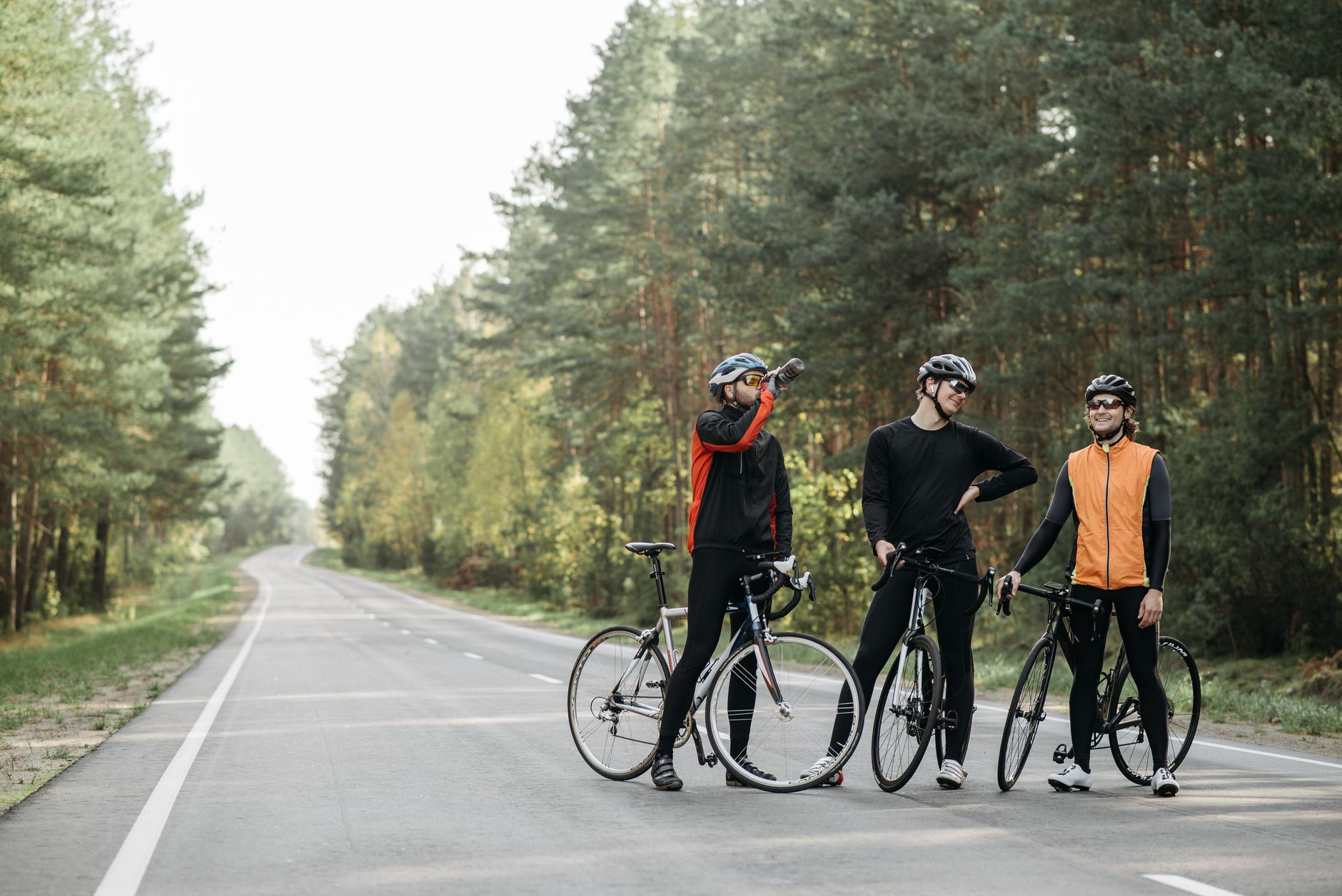
A proper cycling cut solves both problems. Jerseys have longer backs to cover the lower spine when you lean forward. Sleeves are sized for extended arms. Bib shorts remove the waistband, which stops pressure on the abdomen.
Climbing adds another demand. Heat builds fast at low speed. Riders who want a precise cut for long ascents often choose custom climbing apparel. Lightweight fabric, tailored sizing, and airflow matter most when you work hard at slow speeds.
Fabric and Temperature Control
Cotton absorbs sweat and holds it. Wet cotton chills the body and chafes. Cycling fabrics use polyester or nylon blended with elastane. These knits pull sweat away from the skin through capillary action. Merino blends handle odor and cool temperatures well.
Layering gives you control over changing conditions:
- Base layer: moves sweat off the skin.
- Mid layer: traps heat in cold weather.
- Outer layer: blocks wind and light rain.
- Add-ons: arm warmers, knee warmers, and gloves can be removed mid-ride.
Wind chill is the hidden risk. A 15 mph ride in cool air feels far colder than the thermometer says. Cold muscles work less efficiently and are more prone to strain.
Visibility Is a Safety System
Cyclists are smaller than vehicles and harder for drivers to detect. The U.S. National Highway Traffic Safety Administration advises riders to wear bright colors and reflective materials. It also recommends lights on the bike at night and in low light. The agency notes that falls are the most common type of bike crash, while crashes with vehicles are the most serious. You can read the full advice in this NHTSA consumer advisory on bicycle safety.
Color choice depends on the time of day. Fluorescent shades stand out in daylight. They add little after dark. Retroreflective material returns headlight beams straight to the driver. Place it on moving points such as ankles, knees, and wrists. Motion helps the eye read a human shape sooner.
Protection in a Fall
Clothing is the first barrier in a crash. Lycra offers limited abrasion resistance. Still, smooth, close-fitting fabric snags less than loose cloth.
Accessories add real protection:
- Gloves: padded palms reduce pressure on the ulnar nerve. That helps prevent hand numbness. They also protect skin in a fall.
- Eyewear: shields eyes from grit, insects, and wind.
- Shoes: stiff soles transfer power and reduce hot spots under the forefoot.
- Helmet: wear one that meets CPSC standards, as NHTSA advises.
What to Check Before You Buy
Not all kit is built the same. Use this short checklist when comparing options:
- Pad density that suits your usual ride length
- Flatlock seams that sit flat against the skin
- Moisture-wicking fabric with some stretch recovery
- Reflective details on the back, arms, and legs
- A full-length zipper and rear pockets
- A fit tested in the riding position, not standing
Wear It for the Ride You Do
Proper cycling apparel is not a style choice. It manages friction, heat, and visibility. It also lowers the odds of a ride ending early. Pick kit that fits your body, your climate, and your routes. Wash it, replace it when the pad compresses, and keep reflective gear in your regular rotation.