

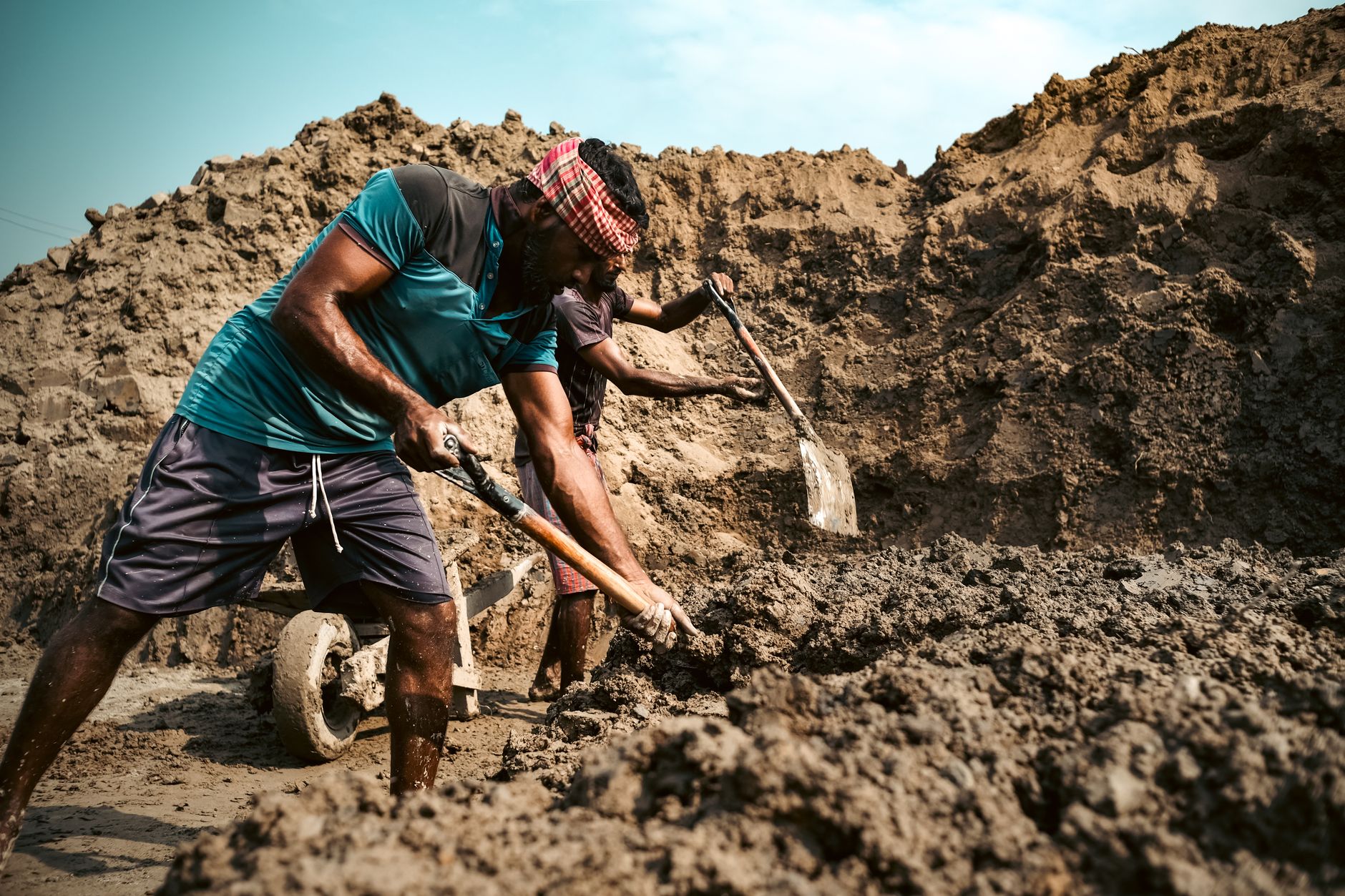
Physical work places continuous demands on the feet. Walking, lifting, climbing, standing, and moving across uneven surfaces require stability and controlled movement. The wrong footwear can increase fatigue, reduce balance, and expose workers to preventable injuries.
Proper footwear is not simply a matter of comfort. It is an important part of occupational health and personal protection. Choosing footwear that matches the working environment helps protect the feet, supports natural movement, and improves safety throughout the workday.
How Physical Work Affects Foot Health
The feet absorb repeated forces during standing and movement. Each step transfers body weight through the heel, arch, and forefoot. Carrying heavy loads or working on hard surfaces increases these demands.
Prolonged standing can also place sustained pressure on the plantar fascia, muscles, ligaments, and joints. Inadequate footwear may contribute to heel discomfort, arch strain, blisters, and general foot fatigue. Workers who frequently climb, kneel, or change direction face additional demands on their ankles and lower limbs.
The Role of Traction and Stability
Traction is essential in physically demanding environments. Smooth floors, loose gravel, wet surfaces, mud, and oily areas can create different slipping hazards. A suitable outsole helps maintain contact with the ground and reduces the likelihood of losing balance.
Tread design matters because different surfaces require different grip characteristics. Deep, widely spaced lugs can provide traction on loose outdoor terrain. More closely spaced patterns may work better on certain indoor surfaces. The rubber compound also influences friction and durability.
Workers who operate in demanding outdoor environments may benefit from high grip tactical boots designed for stability and traction. The important consideration is matching the outsole to the actual working conditions rather than assuming that one tread pattern works everywhere.
Ankle support is another factor. Boots with a secure upper can help keep the foot properly positioned during movement. However, ankle coverage alone does not prevent sprains. Proper fit, suitable traction, and careful movement remain essential.
Protection Against Workplace Injuries
Physical work can expose the feet to several mechanical and environmental hazards. Dropped equipment, rolling materials, sharp debris, hot surfaces, and chemical substances may cause serious injuries.
Protective footwear should be selected according to a workplace hazard assessment. Different jobs require different protective features.
Important features to evaluate include:
- Protective toe caps: Help reduce injuries from impact and compression caused by falling or rolling objects.
- Puncture-resistant midsoles: Help protect the underside of the foot from nails, sharp metal, and other penetrating objects.
- Slip-resistant outsoles: Improve traction on surfaces where slipping is a known risk.
- Electrical protection: Specialized footwear may help address certain electrical hazards when required by the workplace assessment.
- Chemical-resistant materials: Suitable materials help protect against specific liquids and substances encountered during work.
Not every worker needs every feature. Protective equipment must correspond to the hazards present. Wearing footwear with an unsuitable protective design can create a false sense of security.
Choosing Footwear That Fits the Job
A technically suitable boot can still cause problems if it does not fit correctly. Tight footwear can compress the toes and create friction. Excessively loose footwear allows the foot to move inside the boot, increasing the likelihood of blisters and instability.
Measure both feet when selecting work footwear. Foot dimensions can change over time, and one foot may be slightly larger than the other. Try boots with the socks normally worn during work.
Check the following details before making a selection:
- Toe clearance: Ensure the toes can move without pressing against the front of the boot.
- Heel retention: The heel should remain secure without excessive rubbing.
- Arch compatibility: The boot should provide comfortable support without creating concentrated pressure.
- Upper construction: Materials should provide the required protection while allowing appropriate flexibility.
- Weight: Excessively heavy footwear may increase effort during prolonged walking and climbing.
- Fastening system: Laces or other closures should keep the foot securely positioned.
Workers should also consider ventilation and moisture management. Sweat increases friction and can soften the skin, making blisters more likely. Moisture-wicking socks and breathable materials can help maintain a healthier environment inside the boot.
Understanding Workplace Footwear Standards
Protective footwear should meet recognized performance requirements when workplace hazards demand it. In the United States, the Occupational Safety and Health Administration (OSHA) addresses this issue under its foot protection regulation.
According to OSHA's 29 CFR 1910.136 foot protection standard, employers must ensure that affected employees use protective footwear where falling or rolling objects, penetrating hazards, or certain electrical hazards present a risk. The regulation also identifies applicable footwear performance standards.
Maintaining Footwear for Consistent Protection
Even well-designed footwear loses effectiveness through regular use. Outsoles become smooth, cushioning materials compress, and stitching or upper materials may deteriorate.
Inspect work boots regularly. Pay particular attention to worn tread, sole separation, damaged seams, exposed protective components, and changes in fit. Remove embedded debris from the outsole because accumulated dirt can reduce traction.
Make Footwear Part of Workplace Health
Proper footwear supports more than immediate comfort. It helps workers maintain stability, manage physical demands, and reduce exposure to common foot injuries. The best choice depends on the job, working surface, environmental conditions, and specific safety requirements.
Regular inspections and correct fit are equally important. When footwear is selected according to actual workplace hazards and maintained properly, it becomes a practical investment in long-term foot health and occupational safety.



1 thought on “Choosing the Right Footwear for Physical Jobs”