

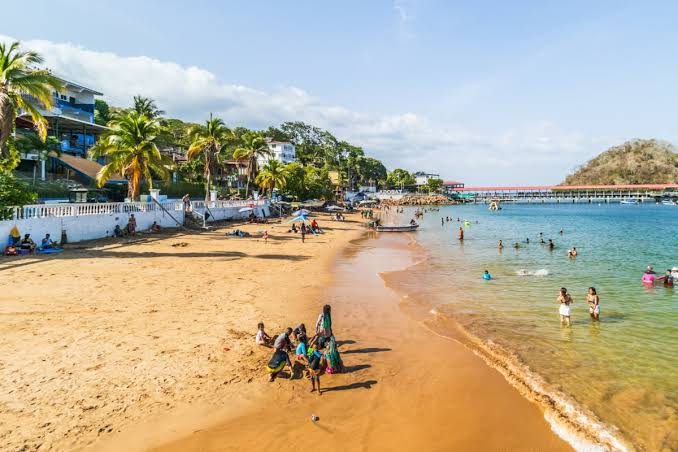
While Costa Rica fills up with eco-lodges advertised in every in-flight magazine, Panama has spent the last decade quietly building something more interesting: a luxury scene that doesn't feel manufactured for tourists. A private jungle villa in Bocas del Toro, an overwater suite on the San Blas islands run by the Guna people themselves, a boutique hotel carved into a converted convent in Casco Viejo — none of this is new, exactly, but almost none of it gets talked about. That's starting to change, and travelers who get there first are finding a country that offers five-star experiences without five-star crowds.
The Infrastructure Is Already World-Class
Panama built the canal, and everything that came with running one of the busiest shipping routes on earth left behind a country with serious infrastructure. Tocumen International Airport is a major regional hub with direct flights from most major U.S. and European cities, which means travelers can land in Panama City in the morning and be on a private boat to the Pearl Islands by afternoon. Roads connecting the capital to beach towns like Playa Venao are in far better shape than comparable routes in Nicaragua or Honduras.
This matters more than it sounds. Luxury travel depends on logistics working quietly in the background, and Panama's decades of commercial shipping investment translate into better roads, more reliable power, and faster internet than most of its neighbors. High-end hotels can source fresh seafood daily, helicopter transfers run on schedule, and remote lodges still have functioning Wi-Fi and hot water.
Panama City Rivals Any Global Capital
Panama City doesn't get credited as a legitimate luxury destination on its own, but it should. The skyline rivals Miami's, with towers designed by architects like Pritzker Prize winner Frank Gehry, whose Biomuseo building sits at the entrance to the Amador Causeway. Restaurants like Maito and Donde José have earned international recognition for reinventing Panamanian cuisine with ingredients sourced from the country's own Pacific coast and highland farms.
Casco Viejo, the old quarter, has turned crumbling colonial buildings into some of the most distinctive boutique hotels in the region. American Trade Hotel occupies a restored 1917 building and anchors a neighborhood now dense with rooftop bars, art galleries, and jazz clubs. Few capital cities in Central America offer this combination of historic character and genuine culinary ambition.
The Islands Offer Something the Caribbean Can't
Bocas del Toro and the San Blas archipelago give Panama two distinct island experiences, and both outperform better-known Caribbean destinations on exclusivity. San Blas, home to the Guna Yala indigenous territory, remains almost entirely free of large resort development because the Guna people govern the islands themselves and limit outside investment. Staying there means small, locally run accommodations rather than international hotel chains, which makes the experience feel earned rather than packaged.
Bocas del Toro leans more developed but still avoids the high-rise sprawl found in places like Cancún. Private island rentals here, some accommodating a dozen guests with full staff, cost a fraction of comparable properties in the Bahamas or Turks and Caicos. The snorkeling and diving around Isla Bastimentos rank among the best in the Western Hemisphere, with coral formations that have avoided the bleaching seen in more heavily trafficked reefs.
Wildlife and Rainforest Access Without the Crowds
Costa Rica built its entire tourism identity around rainforest lodges and wildlife viewing, but Panama has comparable biodiversity with far fewer visitors competing for the same sightings. The Darién Gap, one of the most biodiverse regions on the planet, borders Colombia and remains largely unexplored by mainstream tourism. Gamboa Rainforest Reserve, only 30 minutes from Panama City, offers canopy tours and aerial tram rides through primary rainforest without the multi-hour drives required to reach similar experiences elsewhere.
Companies organizing Panama luxury tours have started packaging this access intelligently, combining private naturalist guides with high-end lodges so travelers get both comfort and genuine wildlife encounters. Spotting a three-toed sloth or a troop of howler monkeys doesn't require roughing it when the lodge serving dinner that night has a wine list curated by a sommelier.
Coffee, Culture, and the Chiriquí Highlands
The highlands around Boquete produce some of the most sought-after coffee in the world, including Geisha beans that sell at auction for hundreds of dollars per pound. Boutique coffee estates here offer private tastings and farm tours that rival anything available in Colombia's coffee region, minus the tour-bus traffic. The cooler climate, roughly 20 degrees lower than the coast, makes it a comfortable base for hiking Volcán Barú, Panama's highest peak.
Small luxury lodges in the area, often family-run, pair mountain views with farm-to-table meals built around produce grown on-site. This region rewards travelers willing to skip the beach for a few days in exchange for cooler air and quieter mornings.
Making the Most of a Visit
Panama rewards travelers who treat it as more than a canal stopover. Splitting a week between Panama City, one island region, and the highlands gives a fuller picture than concentrating on a single area. Booking accommodations through local operators rather than international chains tends to produce better access to guides, boats, and experiences that aren't advertised publicly. The country has already built the roads, the restaurants, and the hotels — what's missing is simply the crowd, and that's exactly the point.


1 thought on “Why Panama Is Central America’s Most Underrated Luxury Destination”