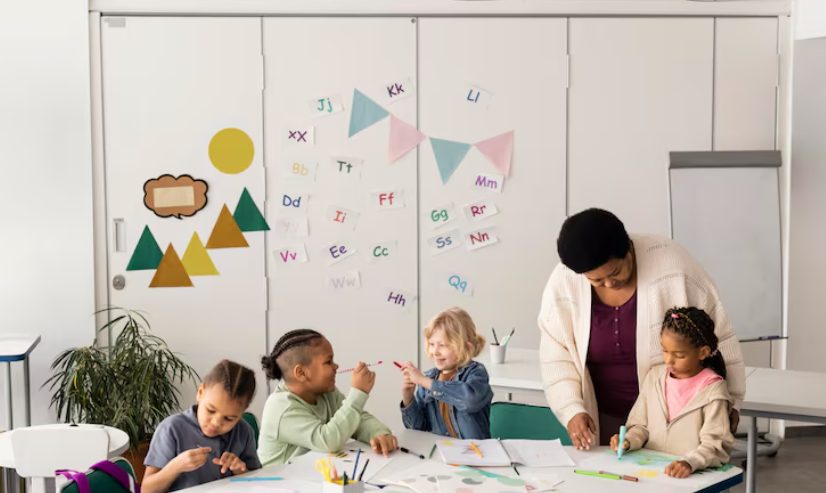
Choosing an infant care centre is an important decision for parents. During the first few years of life, children experience rapid physical, emotional and cognitive development. They begin to recognise familiar faces, respond to sounds, explore their surroundings and develop early communication skills. Providing a safe and supportive environment during this stage can help them build a strong foundation for future learning.
Infant care centres support young children through daily routines, supervised activities and consistent interaction with trained caregivers. They also give parents additional support while balancing family responsibilities and work commitments. A suitable centre should offer more than basic supervision. It should provide a caring environment where each child receives attention, comfort and opportunities to develop at their own pace.
Centres such as Little Footprints Preschool – Largest Infant Care in Singapore highlight the role of organised early childhood care in supporting young children and their families. Understanding what quality infant care involves can help parents make a more informed decision when choosing a suitable arrangement.
Why Infant Care Is Important
The early years are an important period for developing basic skills. Babies learn through everyday experiences, including listening to voices, watching movements, touching objects and interacting with familiar people. These simple activities help them understand their surroundings and gradually develop new abilities.
Quality infant care provides opportunities for children to explore in a supervised setting. Caregivers can introduce age-appropriate activities that encourage movement, communication and sensory awareness. They also observe how each child responds to different experiences and adjust their approach when necessary.
Emotional development is equally important. Infants need consistent attention and reassurance to feel safe. Caregivers who respond calmly to crying, feeding needs and other signals help children develop trust and comfort in their surroundings.
Infant care can also support parents by providing regular observations about their child's behaviour and development. If caregivers notice concerns, they can discuss them with parents and suggest seeking professional advice when appropriate.
Creating a Safe and Stimulating Environment
Safety should be one of the main priorities when choosing an infant care centre. Babies are naturally curious, but they cannot recognise many everyday risks. Their surroundings must therefore be carefully arranged to reduce potential hazards.
A suitable environment should have secure entry procedures, clean floors, safe furniture and age-appropriate equipment. Electrical outlets, sharp edges, small objects and other possible dangers should be properly managed. Sleeping areas should also follow safe sleep practices, with suitable arrangements for each infant.
Cleanliness is another important consideration. Toys, feeding equipment, sleeping areas and frequently touched surfaces should be cleaned regularly. Centres should also have clear procedures for handling illness, hygiene and emergencies.
Beyond safety, the environment should encourage exploration. Soft play areas, colourful objects, textured materials and age-appropriate toys can provide useful sensory experiences. These resources allow babies to observe, touch, listen and move while caregivers supervise their activities.
A well-arranged space should provide opportunities for both active play and quiet rest. Infants need time to explore, but they also require a calm environment where they can relax and sleep when necessary.
The Importance of Qualified and Caring Staff
Caregivers have a direct influence on an infant's daily experience. Their knowledge, patience and ability to respond to children's needs are essential parts of quality care.
Staff should have suitable early childhood training and understand the basic stages of infant development. They need to recognise common signals, including hunger, tiredness, discomfort and the need for attention. Since babies cannot explain what they feel, caregivers must observe their expressions, sounds and movements carefully.
A compassionate approach is just as important as professional knowledge. Infants benefit from warm interactions, gentle handling and consistent responses. Talking, smiling and playing with babies can help them feel secure while supporting early communication.
Parents should also consider staff availability and caregiver-to-infant ratios. A manageable group size allows caregivers to give children appropriate attention and respond to their individual needs. It is worth asking about staff qualifications, training, experience and procedures for managing daily care.
Establishing Consistent Daily Routines
Daily routines help infants become familiar with their surroundings. Regular patterns for feeding, sleeping, changing and play can provide a sense of comfort and predictability.
However, infants do not all follow the same schedule. Their feeding and sleeping needs can change as they grow, and some may require more rest or attention than others. A good infant care centre should be able to balance a structured routine with flexibility.
Caregivers should communicate with parents about the child's usual habits. Information about feeding times, preferred sleeping arrangements and comfort routines can help make the transition between home and the centre easier.
Consistent routines also help caregivers understand changes in a child's behaviour. If an infant becomes unusually unsettled or shows a change in feeding or sleeping patterns, staff can inform parents and discuss possible reasons.
Supporting Early Social and Emotional Development
Although infants are still learning how to communicate, their social development begins through everyday interactions. They respond to familiar voices, make eye contact, smile and gradually become more aware of people around them.
An infant care centre provides opportunities for babies to experience different voices, expressions and interactions. Caregivers can support this development through simple games, songs, gentle conversations and supervised group activities.
Being around other children also allows infants to observe different behaviours. They may watch other babies play, respond to sounds or show interest in shared activities. These experiences can gradually support their awareness of others.
It is important to remember that infants develop social skills at different rates. Activities should be suitable for their age and abilities rather than expecting them to participate in ways that are more appropriate for older children.
Emotional security remains central to this process. Babies need responsive adults who can comfort them when they feel tired, unsettled or overwhelmed. Positive relationships with caregivers can help them feel more comfortable exploring their surroundings.
Encouraging Cognitive and Language Development
Infants learn by exploring and interacting with the world around them. Everyday activities can provide valuable opportunities to develop attention, memory and early problem-solving abilities.
Simple games such as peekaboo, stacking soft objects and exploring toys with different textures can encourage curiosity. These activities help babies notice patterns, understand basic actions and discover how objects respond to their movements.
Language development also begins early. Caregivers can support communication by talking to infants during feeding, play and daily routines. Reading picture books, singing songs and naming familiar objects introduce babies to sounds and words.
Even before infants can speak, they respond to voices and begin learning how communication works. Caregivers should give them time to react through sounds, facial expressions and gestures.
These interactions are most effective when they feel natural and enjoyable. The aim is to provide opportunities for learning through play rather than placing unnecessary pressure on young children.
Providing Appropriate Nutrition and Feeding Support
Nutrition plays an important role in an infant's growth and development. Each child has different feeding requirements depending on their age, health and stage of development. Infant care centres should work closely with parents to understand and follow individual feeding arrangements.
For babies who receive breast milk or formula, caregivers should follow the family's instructions and the centre's hygiene procedures. Feeding equipment must be handled and cleaned appropriately, and stored milk should be managed according to safe handling guidelines.
As infants become ready for solid foods, parents and caregivers should discuss suitable options and feeding methods. New foods should be introduced according to the child's developmental readiness and any guidance provided by healthcare professionals.
Centres should also be aware of allergies, dietary restrictions and feeding difficulties. Clear communication between parents and caregivers helps ensure that each child receives appropriate support.
Working Closely with Parents
A strong relationship between parents and caregivers helps create a more consistent experience for infants. Parents understand their child's habits and preferences, while caregivers observe how the child responds to the centre's environment.
Regular communication allows both sides to share useful information. This may include feeding records, sleeping patterns, daily activities, mood changes and developmental observations.
Parents should feel comfortable asking questions and raising concerns. Meetings with caregivers or centre management can provide opportunities to discuss progress and address any difficulties.
A good centre should also have clear communication procedures for emergencies, illness and changes in a child's routine. When parents and caregivers work together, they can provide more consistent support for the infant.
Adapting Care to Individual Developmental Needs
Every infant develops at an individual pace. Some babies may begin crawling earlier, while others may take more time to develop particular movement or communication skills. These differences are a normal part of early development.
Caregivers should avoid comparing children or expecting every infant to reach milestones at exactly the same time. Instead, they should observe each child's abilities and provide suitable opportunities for practice and exploration.
Some infants may need additional support because of developmental or health-related needs. A suitable centre should be willing to discuss individual requirements with parents and work with relevant professionals when necessary.
Personalised care can include adjusting activities, providing suitable equipment or making changes to the environment. The goal is to ensure that every child receives attention and opportunities that reflect their needs.
Using Technology Responsibly in Infant Care
Technology can help infant care centres manage daily operations and communicate with families. Digital records may be used to share information about feeding, sleeping, activities and other aspects of a child's day.
Some centres also use parent communication platforms to provide updates and announcements. These tools can make it easier for families to stay informed, particularly when they cannot visit the centre during working hours.
However, technology should not replace direct interaction between caregivers and infants. Babies learn through human contact, movement, conversation and sensory exploration. Personal attention should remain the priority, while digital tools should be used mainly to support communication and administration.
Choosing the Right Infant Care Centre
Selecting an infant care centre requires more than comparing locations and fees. Parents should consider the quality of care, staff experience, safety arrangements, daily routines and communication practices.
Visiting a centre can help families understand how the environment operates. During a visit, parents can observe how caregivers interact with infants, whether the rooms are clean and organised, and whether babies appear comfortable in their surroundings.
It is also useful to ask about feeding arrangements, sleeping procedures, illness policies, emergency plans and staff-to-infant ratios. Parents should understand what is included in the fees and whether the centre can accommodate their child's individual needs.
The adjustment period is another important consideration. Some infants may settle quickly, while others need more time to become comfortable with new caregivers and surroundings. Parents should ask how the centre supports this transition and how updates will be provided.
Conclusion
Quality infant care supports children's early development by combining safety, nurturing relationships, appropriate activities and consistent daily routines. A suitable centre provides opportunities for infants to explore their surroundings, develop communication skills and build emotional security while receiving the attention they need.
Parents should take time to compare available centres and understand their approach to caregiving. Qualified staff, safe facilities, suitable feeding arrangements and open communication are all important factors.
Centres such as Little Footprints Preschool – Largest Infant Care in Singapore reflect the important role that organised infant care can play in supporting families. By choosing an environment that respects each child's individual needs, parents can help create a positive start to their child's learning and development.