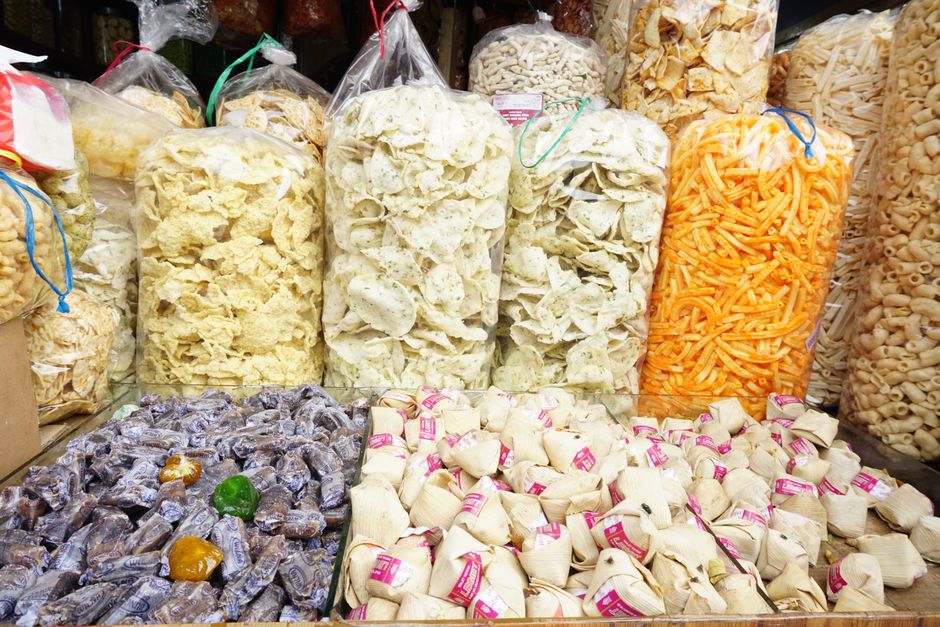
As gusts of fragrant peanuts enveloped street corners and bustling marketplaces, the kacang puteh booth became an emblem of cultural nostalgia, drawing both the young and old to its inviting windows. A once ubiquitous presence, these stalls stood resiliently amidst decades of change, holding their own as bastions of tradition. The Kacang Puteh Booth offers not just a treat for the taste buds, but a journey back in time, encapsulating rich heritage in every spoonful.
An Edible Heritage: Origins and Evolution
Kacang puteh, translating to "white nuts," historically refers to various nuts and legumes served in a simple, no-frills manner. The tradition dates back several generations, when Indian migrants brought this humble street snack to new shores. Its evolution chronicles the blending of cultures, as an array of spiced nuts, savoury beans, and crispy crackers joined the ranks of offerings. Once mere handheld treats sold in paper cones, they have now transitioned into a celebrated part of the gourmet street food scene.
The Quintessential Experience: What Defines a Kacang Puteh Booth
A kacang puteh booth is not just about the snacks it offers but also about the experience it delivers. These booths are often characterised by their vibrant displays of glass jars filled with varied munchables. It offers patrons the opportunity to choose from a smorgasbord of savoury and sweet delicacies, ranging from classic roasted peanuts to sugar-coated chickpeas. Customers often speak fondly of the interaction and banter with the booth owner, which forms an integral part of this timeless experience.
Cultural Impact and Social Significance
The importance of the kacang puteh booth extends beyond the dimensions of gastronomical delight, playing a crucial role in social and cultural spheres. Historically, these booths often served as informal social gathering hubs in tightly-knit communities, fostering bonds over shared treats. They provide a glimpse into the socio-economic narratives of those who ran these booths—often family businesses handed down through generations. Today, while modern markets and shopping centres have emerged, the kacang puteh stall persists, bridging the gap between new and old.
Modern Manifestations and Popularity
In a rapidly digitalising world, the persistence of traditional forms of street vending like kacang puteh booths speaks volumes of their enduring charm. Enthusiasts find innovative ways to revitalise these stalls, integrating them into contemporary settings like food festivals and corporate events. This transition maintains their essence while presenting them to wider audiences. Modern-day renditions often boast elevated aesthetics, creating an experience that is both nostalgic and novel, enticing younger generations who yearn for authenticity amidst ubiquitous digital experiences.
A Unique Culinary Art: Preparation and Variation
Creating the perfect offering for a kacang puteh booth is an art governed by tradition yet open to adaptation. Preparation involves roasting and seasoning an assortment of nuts and legumes to perfection. Each vendor might have a unique blend, resulting in a distinctive taste that sets their booth apart. Variations include spicy peanuts, sugar-glazed almonds, crispy chickpeas, and salted green peas. This diversity ensures that there is something to satisfy every palate, whether one craves the spicy, the sweet, or the simply savoury.
Sustainability and Its Future
Today, the question of sustainability touches all sectors of industry, including traditional street food. Kacang puteh booths are adapting by incorporating environmentally conscious practices. Stalls are increasingly seen using biodegradable packaging options instead of the conventional paper or plastic cones. This shift not only positions them as sustainable entities but also as pioneers in leading traditional food practices into an eco-friendly future. There is a growing emphasis on sourcing raw nuts and legumes from local farmers, supporting local economies and reducing carbon footprints.
A Socio-Economic Contributor
These humble booths serve not just as points of indulgence but also offer economic opportunities. As micro-entrepreneurial ventures, they provide livelihoods to families and help preserve traditional skills. Unlike large-scale food processing units, kacang puteh booths are often family-run, ensuring that children learn and carry forward the legacy. As self-sufficient entities, they create a ripple effect in local economies by procuring supplies from nearby markets, thereby bolstering small-scale trade.
Embracing Technology Without Losing Essence
Although deeply rooted in tradition, the kacang puteh business is not immune to the benefits of technological advancements. Vendors are adopting mobile payment systems, and some even take orders via digital platforms. However, they work to ensure these updates do not disturb the essence of the experience. At its heart, a kacang puteh booth remains about face-to-face interaction and personalised choices, preserving the human touch that digital interfaces can never truly replicate.
Challenges Faced and Overcoming Them
Like many traditional enterprises, kacang puteh booths face various challenges, from rising operational costs to changing consumer preferences. However, innovation seems to be the antidote as vendors find creative ways to attract modern-day consumers. Collaborations with popular eateries, health-conscious alternatives, and thematic packaging are strategies that have proven effective. Moreover, storytelling and authenticity remain powerful tools that vendors use to build and sustain customer loyalty.
Legacy and Responsibility
The caretakers of a kacang puteh booth embody a unique responsibility. They are the guardians of a rich legacy that extends beyond mere snacks. This custodianship involves a commitment to quality and authenticity, maintaining the flavours that patrons have grown to love. As these booths continue to evolve, they carry forward the spirit of resilience, adaptability, and tradition, ensuring that the humble but mighty kacang puteh remains a cherished snack across generations.