

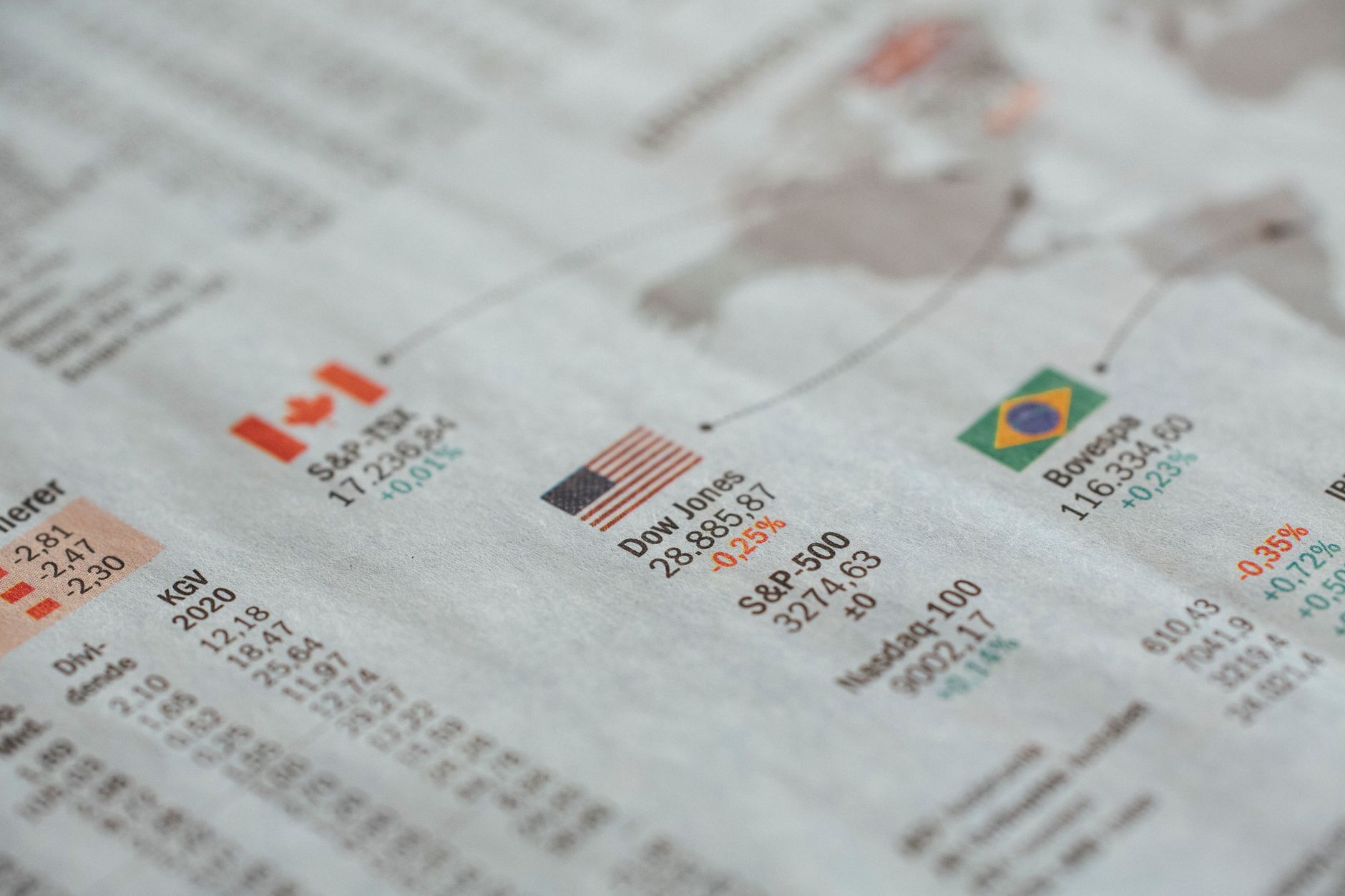
Global financial markets operate as an interconnected network in which economic data, geopolitical shifts, and monetary policy decisions in one region ripple across international borders. In the Indian capital market ecosystem, gift nifty serves as an important bridge between domestic equities and international market developments.
Traded within the International Financial Services Centre (IFSC) at Gujarat International Finance Tec-City (GIFT City) on the NSE International Exchange (NSE IX), this dollar-denominated futures contract is derived directly from India’s benchmark index, the nifty 50. Because the contract trades for nearly 21 hours every business day, it continuously absorbs and reflects international market sentiment while domestic exchanges in Mumbai are closed. Understanding the transmission channels through which global sentiment influences offshore index futures provides a structured framework for analyzing cross-border market behavior.
1. Extended Trading Hours as a Global Transmission Channel
To understand why international sentiment has a direct impact on the contract, one must examine its operational timeline. The domestic equity market in India operates for six hours and fifteen minutes each day, closing at 3:30 PM Indian Standard Time (IST). In contrast, GIFT Nifty operates across two daily sessions:
- Morning Session: 6:30 AM to 3:40 PM IST
- Evening Session: 4:35 PM to 2:45 AM IST (the following morning)
This schedule provides extensive overlap with major international financial centers across three continents:
- The Asia-Pacific region (Tokyo, Seoul, Sydney, and Hong Kong) during early morning hours.
- Europe (London, Frankfurt, and Paris) during the afternoon and early evening.
- The United States (Wall Street) during the late evening and overnight hours.
When international economic data, policy statements, or earnings reports are released during these global sessions, international institutional participants adjust their positions in real time on the offshore exchange, causing the contract price to reflect shifting international sentiment.
2. Monetary Policy Decisions and Global Bond Yields
Central bank policies in advanced economies, particularly the United States Federal Reserve, the European Central Bank, and the Bank of England, are primary drivers of global risk appetite.
- Interest Rate Cycles: When major central banks adjust benchmark interest rates, the relative yields of global assets shift. Expectations of higher policy rates in developed markets often lead to rising yields on sovereign bonds, such as US Treasuries. Higher risk-free yields in developed markets can prompt global asset managers to moderate their capital allocations to emerging market equities, exerting downward pressure on offshore derivative valuations.
- Monetary Easing and Global Liquidity: Conversely, accommodative monetary cycles characterized by rate reductions and quantitative expansion tend to increase global liquidity. Under these conditions, international institutional capital often moves into emerging markets offering higher economic growth rates, supporting positive sentiment in offshore contracts.
3. The Performance of Major Foreign Equity Benchmarks
Equity market sentiment frequently spreads across regional exchanges through correlation effects:
- US Equity Markets: The closing performance of major US benchmarks, including the S&P 500, Nasdaq, and Dow Jones Industrial Average, sets the directional tone for global risk assets. Because the second session of GIFT Nifty trades until 2:45 AM IST, late-session developments or volatility in New York are directly mirrored in offshore contract pricing.
- Asian Market Cues: When the morning session begins at 6:30 AM IST, domestic Indian cash markets are still closed. Movements in early-opening Asian exchanges provide regional cues regarding how international participants are pricing overnight macroeconomic news, influencing the contract's morning price discovery.
4. Global Commodity and Energy Prices
As an open economy with significant import requirements for energy and industrial materials, India’s corporate cost structures and trade balance are sensitive to international commodity cycles:
- Crude Oil Movements: India imports more than 80 percent of its crude oil requirements. A sharp rise in international crude oil benchmarks (such as Brent Crude) increases the national import bill, potentially widening the current account deficit and driving transportation costs higher. This dynamic impacts operating margins for paint, aviation, chemical, and manufacturing firms within the underlying index, leading to cautious pricing in offshore futures.
- Precious and Industrial Metals: Fluctuations in copper, steel, and gold prices influence valuation models for basic materials, infrastructure, and mining enterprises, directly affecting constituent weights.
5. Foreign Exchange Dynamics and the US Dollar Index
Because GIFT Nifty is denominated and settled in US Dollars (USD), currency movements form an integral part of price discovery:
- The US Dollar Index (DXY): A strengthening US Dollar often corresponds with risk-off sentiment in emerging markets, as local currency returns diminish when converted back to dollars.
- USD/INR Exchange Rate: If the Indian Rupee depreciates against the US Dollar during offshore hours, international investors must account for currency conversion factors. A weakening domestic currency can create a discount in dollar-denominated contracts relative to local spot prices, reflecting the adjusted purchasing power of the underlying shares.
6. Geopolitical Developments and Cross-Border Capital Flows
Geopolitical announcements, international trade discussions, and unexpected global regulatory developments often occur outside domestic trading hours. During periods of heightened international uncertainty, institutional investors generally reduce overall exposure to equities and reallocate capital into traditional defensive assets, such as sovereign debt, cash, and gold. Because GIFT Nifty offers continuous trading liquidity, it often serves as a primary risk-management vehicle where international fund managers hedge their Indian equity holdings during offshore hours.
Summary
GIFT Nifty functions as a continuous barometer of international sentiment for Indian equities. Through its extended operating hours and dollar denomination, it connects global macroeconomic drivers—including central bank rate adjustments, overseas equity performance, commodity price variations, and currency dynamics—with the underlying domestic benchmark. While early offshore movements provide useful context regarding overnight sentiment, they should be evaluated alongside domestic macroeconomic indicators and fundamental economic data to maintain a balanced, objective market perspective.




1 thought on “How International Market Sentiment Influences GIFT Nifty”