Key Takeaways
- Successful supplement development begins with a defined customer, need, and product goal.
- Ingredient documentation, supplier review, and realistic specifications support consistent production.
- The delivery format affects user experience, flavor, shelf life, packaging, and manufacturing complexity.
- Testing and label planning should begin during development, not after the formula is finalized.
- Clear claims, production planning, and launch preparation can reduce avoidable delays.
Table Of Contents
- Start With A Useful Product Idea
- Define The Target Customer
- Review Ingredients And Suppliers
- Choose The Right Product Format
- Build And Test The Formula
- Create A Practical Quality Plan
- Prepare Labels And Product Claims
- Plan Production And Inventory
- Prepare For A Smooth Product Launch
- Common Questions About Supplement Product Development
- Final Thoughts
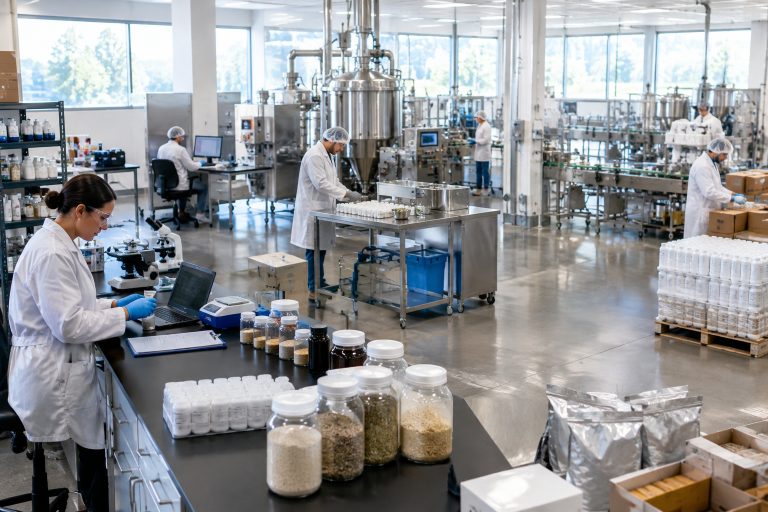
Creating a dietary supplement involves much more than choosing a few popular ingredients. It requires a practical process that connects the product concept, formula, quality expectations, packaging, labeling, and supply chain. Working with an experienced development and manufacturing partner such as Makers Nutrition can help brands organize those moving parts while keeping the intended customer and product purpose in focus.
This guide explains the core stages of supplement product development, from an early idea through launch preparation. It is designed as an educational roadmap, not as a substitute for legal, regulatory, scientific, or medical advice.
1. Start With A Useful Product Idea
A product idea should solve a recognizable wellness or convenience need. For example, a brand may identify demand for a hydration powder that travels easily, a capsule for customers who want a simple daily routine, or a chewable option for people who dislike swallowing pills. The best starting point is a short product brief that states the intended audience, desired benefit, format, serving experience, target price range, and major product requirements.
This brief creates a decision filter for the rest of development. Without one, a formula can become overloaded with ingredients, disconnected from customer preferences, or too costly to produce at a sustainable price.
2. Define The Target Customer
Before selecting a formula, build a clear profile of the person expected to buy and use it. Consider age range, lifestyle, dietary preferences, purchasing habits, and barriers that could keep someone from using the product consistently. A busy commuter may value single-serve stick packs, while a customer focused on reducing added sugar may have different expectations for a gummy.
Questions To Ask
- Who is most likely to use the product?
- What need or routine does it support?
- What serving size is realistic for daily use?
- Would the customer prefer capsules, tablets, powder, liquid, or gummies?
- What product price supports repeat purchasing?
3. Review Ingredients And Suppliers
Ingredient selection influences far more than the Supplement Facts panel. It can affect taste, color, texture, flow during manufacturing, allergen management, storage conditions, and total cost. Request and review supplier documentation, including identity information, certificates of analysis, allergen statements, country-of-origin details, and handling requirements.
Supplier qualification should be an active review process rather than a paperwork exercise. Dietary supplement current good manufacturing practice expectations include specifications related to identity, purity, strength, composition, and relevant contamination limits, as explained in the FDA’s manufacturing and quality control guidance. The exact documents and testing approach should fit the ingredient and finished product.
4. Choose The Right Product Format
The format should support both the formula and the customer experience. Common options include:
- Capsules: Familiar, portable, and useful for formulas that do not need flavoring. Some customers find them difficult to swallow.
- Tablets: Often compact and stable, but larger tablets can be uncomfortable to take.
- Powders: Flexible for drink mixes and adjustable serving sizes. Flavor, mixability, and moisture control require attention.
- Gummies: Convenient and approachable, but texture, heat exposure, sugar content, and stability may add complexity.
- Liquids: Useful for consumers avoiding solid formats. Preservation, bottle selection, and shipping conditions need careful planning.
5. Build And Test The Formula
Formulation is an iterative process. Start with an intended serving size, select ingredients that support the concept, and check whether they can work together in the chosen format. Then make a pilot batch and evaluate how it performs in real use. A powder may have a strong formula on paper but still disappoint customers if it clumps, settles quickly, or leaves an unpleasant aftertaste.
Review practical characteristics such as odor, taste, texture, color, capsule fill weight, tablet hardness, or liquid clarity. Adjust one factor at a time where possible, document each revision, and establish target specifications before moving into full production.
6. Create A Practical Quality Plan
A quality plan defines what should be checked, when it should be checked, and what happens if a result does not meet the established specification. The plan will vary by product, but it commonly addresses ingredient identity, potency, microbial considerations where appropriate, moisture, contaminants relevant to the materials used, packaging compatibility, finished-product review, retained samples, and batch documentation.
Quality planning also helps protect consistency between runs. Written specifications and records allow a brand and its manufacturing partners to compare incoming materials and finished batches against the standards established for that product.
7. Prepare Labels And Product Claims
Label development should run alongside formula development because ingredient amounts, serving size, directions, and claims must align. A supplement label may include the product name, net quantity, Supplement Facts panel, other ingredients, suggested use, allergen information when applicable, and business details. FDA labeling guidance explains the required role of the Supplement Facts paneland its relationship to serving information and listed dietary ingredients.
Claims require special care. Structure or function wording differs from a disease claim, and marketing language should be reviewed for accuracy, substantiation, and consistency across the label, website, and advertising. When wording is uncertain, qualified regulatory counsel can help reduce risk before artwork is approved.
8. Plan Production And Inventory
A launch plan should account for minimum order quantities, ingredient lead times, packaging availability, production scheduling, testing, quality release, warehouse capacity, and shipping needs. Build extra time into the schedule for label revisions, material delays, transportation issues, and unexpected formula adjustments.
Set reorder points early. A product that sells well can still create customer frustration if a key ingredient or packaging component was not ordered with enough lead time.
9. Prepare For A Smooth Product Launch
Before sale, complete a final review that confirms the formula, serving size, label artwork, directions, claims, packaging, and inventory records. Prepare product photography and website copy that accurately reflect the finished item. Customer service teams should also understand common questions about use, storage, and order issues.
Common Questions About Supplement Product Development
How Long Does Supplement Development Take?
Timing depends on formula complexity, ingredient availability, format, flavor development, testing, packaging, and label review. A straightforward capsule may require fewer development steps than a flavored gummy or multi-ingredient powder.
Should A Product Use A Custom Formula Or An Existing Formula?
A custom formula offers more control and differentiation, while an existing formula can simplify early development. The right choice depends on budget, timeline, desired positioning, and how distinct the finished product needs to be.
What Causes The Most Delays?
Common causes include late formula changes, missing supplier documents, ingredient shortages, packaging revisions, unclear claims, and trial batches that do not meet taste, texture, or stability expectations.
Final Thoughts
A dependable supplement product is built through connected decisions, not a single formula choice. A clear concept, informed ingredient review, appropriate testing, accurate labeling, quality documentation, and realistic production planning all contribute to a finished product that is ready for customers and repeat orders.