Brand visibility plays an important role in how customers discover, recognize, and remember a business. In competitive markets, companies need more than quality products and reliable services to attract attention. They also need a recognizable physical presence. Storefront design, exterior lighting, and visual branding all influence how potential customers perceive a business before they even walk through the door.
Custom neon signs offer a practical way to strengthen that presence. They combine illumination, color, typography, and brand messaging to create displays that stand out in busy commercial environments. When designed strategically, these signs can support brand recognition, improve storefront visibility, and contribute to a more consistent customer experience.
Why Visual Branding Matters for Businesses
Visual branding helps customers identify a business across different environments and marketing channels. A recognizable logo, consistent color palette, and distinctive typography make it easier for people to associate a particular appearance with a company.
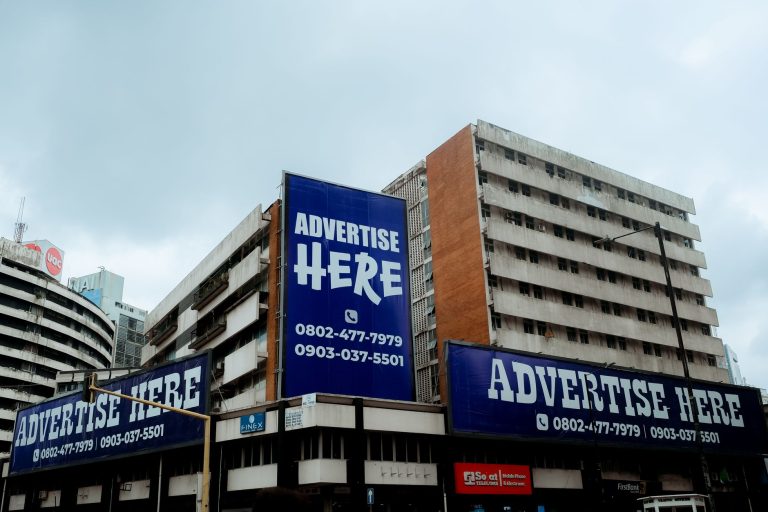
Physical signage is an important part of this process. Unlike digital advertisements that disappear when users scroll past them, exterior signs remain visible to pedestrians, motorists, and people visiting nearby establishments. This creates repeated opportunities for customers to notice a brand.
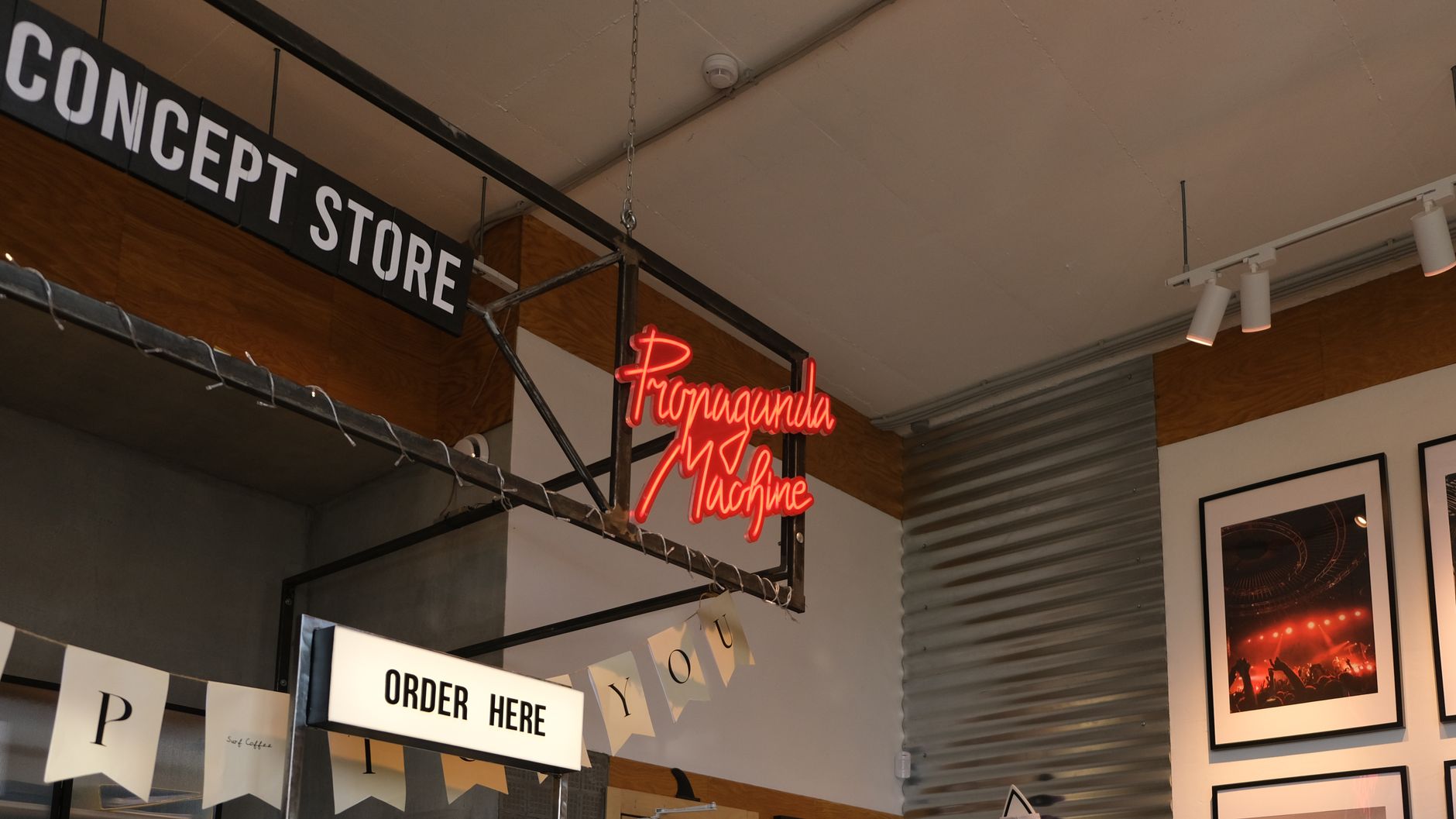
Neon signage adds another dimension through illumination. Its brightness helps businesses maintain visibility during evening hours and in locations with limited natural lighting. It can also distinguish a storefront from neighboring properties that rely on conventional signage.
How Custom Neon Signs Improve Brand Recognition
Custom signage allows businesses to communicate their identity through more than just a company name. Design elements can reflect a brand's personality, industry, and intended customer base.
For example, restaurants may use warm colors and distinctive lettering to create an inviting atmosphere. Retail stores might choose bold typography to reinforce a modern image, while entertainment venues can use brighter colors and creative shapes to establish a more energetic identity.
Well-designed store front neon signs can help businesses maintain a recognizable appearance while making their premises easier to identify from a distance. Customization also allows companies to incorporate logos, slogans, symbols, and specific brand colors into their displays.
For the best results, businesses should consider several design factors:
- Color selection: Choose colors that match the established brand palette and provide sufficient contrast against the background.
- Typography: Use readable fonts with appropriate spacing. Avoid overly complicated lettering, especially for signs viewed from a distance.
- Message length: Keep wording concise so customers can understand the message quickly.
- Placement: Position signs where they remain visible without being obstructed by architectural features, trees, or other displays.
- Scale: Match the sign dimensions to the storefront, viewing distance, and surrounding environment.
These decisions affect both visual performance and brand consistency. A sign should attract attention without making the storefront look cluttered.
Choosing the Right Neon Sign Technology
Modern neon-style signage commonly uses LED technology rather than traditional glass neon tubes. LED neon signs use flexible illuminated tubing or similar components to reproduce the appearance of conventional neon lighting.
The distinction matters when evaluating installation requirements, maintenance, and operating costs.
Traditional glass neon signs use sealed tubes containing gases that produce light when energized by high voltage. LED alternatives use semiconductor light sources and typically operate at lower voltages. They also offer greater flexibility in shaping letters, symbols, and decorative elements.
Integrating Neon Signage Into a Marketing Strategy
A neon sign should support a broader marketing plan rather than operate as an isolated decorative feature. Its message, colors, and design should complement the business website, social media graphics, packaging, and other branded materials.
The U.S. Small Business Administration recommends defining target markets, competitive advantages, marketing goals, and budgets when developing a marketing plan. Businesses can apply the same principles when deciding how signage will contribute to their overall promotional strategy.
Businesses can also evaluate signage performance through measurable indicators. Track changes in walk-in inquiries, customer feedback, storefront engagement, and sales during comparable periods. Asking new customers how they discovered the business can provide additional insight into whether improved visibility is influencing customer acquisition.
More guidance is available in the SBA's marketing and sales guide.
Maintaining Signage for Long-Term Performance
Regular maintenance helps preserve both the appearance and functionality of illuminated signs. Dust, moisture, loose connections, and damaged mounting components can reduce performance over time.
Businesses should establish a basic inspection routine. Check illuminated sections for uneven brightness, examine cables and electrical connections for visible damage, and clean sign surfaces according to manufacturer instructions. Outdoor fixtures should receive additional inspections after severe weather.
Conclusion
Custom neon signs can contribute significantly to business visibility when their design and installation are carefully planned. They help establish a recognizable storefront, reinforce brand identity, and make commercial spaces easier to identify. By selecting suitable technology, maintaining consistent visual elements, and measuring marketing performance, businesses can make signage a functional part of their long-term branding strategy.