Key Takeaways
- Begin with daily routines, room measurements, and long-term needs before selecting finishes.
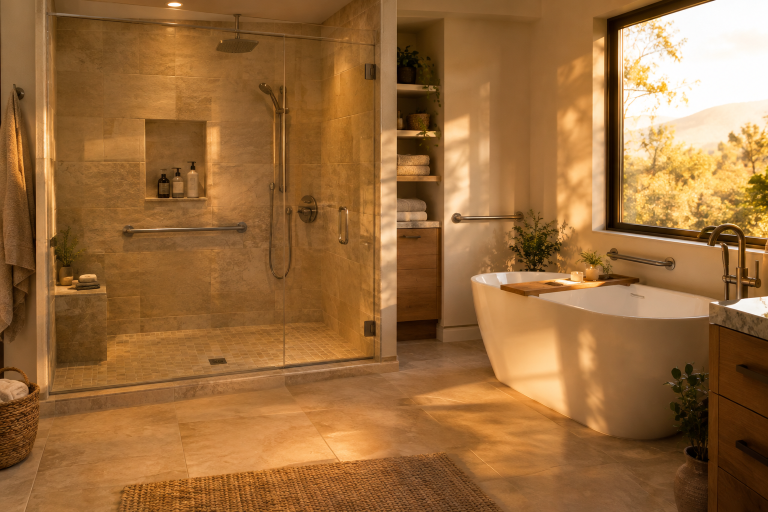
- Safety features such as low-curb showers, grab bars, and non-slip flooring can fit a polished design.
- Ventilation, waterproofing, plumbing, lighting, and storage should be settled early in the planning process.
- Durable, easy-care materials can reduce cleaning demands and help the room withstand frequent use.
- A detailed written scope of work makes it easier to compare estimates and avoid misunderstandings.
Why Bathroom Planning Looks Different
A bathroom remodel is no longer just a cosmetic update. Many homeowners want a space that supports easier mornings, calmer evenings, safer movement, and changing household needs. Whether the project involves new lighting, more storage, or bathtub replacements, the strongest plans start with how the room is actually used.
Comfort also has practical value. A room with a safer shower entry, adequate task lighting, accessible storage, and surfaces that are easier to clean can make everyday routines less frustrating for everyone who uses it.
Current renovation preferences reflect that shift. A 2026 survey of 1,619 U.S. homeowners found that spacious showers, organized storage, and features that support relaxation are important priorities in bathroom projects. The study also found that many homeowners address future needs as part of their renovations.
Start With a Room and Routine Check
Before picking tile or fixtures, examine the room as it exists today. Measure the floor area, door swings, window placement, plumbing locations, and the clear path between the vanity, toilet, tub, and shower. A layout that looks workable on paper may still feel cramped once doors, drawers, and people are moving through it.
Next, make a list of recurring frustrations. Weak mirror lighting, a difficult tub entry, cluttered counters, a poorly placed towel bar, and hard-to-clean grout are all useful clues. Separate must-have changes from nice-to-have design upgrades, then consider who will use the room over the next five to ten years.
Safety Features That Still Look Stylish
Accessible design does not have to make a bathroom feel institutional. Many functional details are available in finishes and forms that coordinate with contemporary faucets, tile, and cabinetry.
- Low-curb or curbless shower entries that reduce the step into the wet area.
- Textured flooring and shower surfaces that offer better traction when wet.
- Grab bars installed into proper wall blocking, rather than attached as an afterthought.
- Handheld showerheads on adjustable mounts for flexible use.
- Built-in benches or fold-down seats for comfort while showering.
- Bright vanity lighting paired with softer night lighting for safer navigation.
- Lever handles and controls positioned within easy reach.
Choosing Between a Bathtub, Shower, or Both
The right bathing layout depends on the household, room size, and priorities. Keeping a tub may make sense for families with young children or people who enjoy soaking. Replacing an old tub can be a sensible move when it is cracked, uncomfortable, difficult to clean, or no longer suits the space.
A tub-to-shower conversion can create a larger shower footprint without moving every fixture. In a shared bath, a tub-and-shower combination may remain the most flexible option. When homeowners remove tubs, enlarged showers are a common use for the recovered space, but added cabinetry or a larger vanity may also solve a bigger daily problem.
| Option | Often Works Well For | Planning Consideration |
|---|---|---|
| Keep the bathtub | Bath lovers and homes with young children | Check condition, comfort, and cleaning needs |
| Replace the bathtub | Worn or outdated bathing areas | Review drain, surround, and wall repairs |
| Convert to a shower | Households prioritizing access and shower space | Plan entry height, storage, and waterproofing |
| Use a combination unit | Guest and shared bathrooms | Balance bathing flexibility with available space |
Materials That Make Daily Cleaning Easier
Material choices should support the way the household cleans and uses the room. Select moisture-resistant wall, floor, and trim materials, especially around tubs and showers. In wet areas, fewer grout joints can mean fewer lines that need regular scrubbing. Matte or softly textured finishes may also hide water spots and fingerprints better than highly reflective surfaces.
Ask how every proposed material should be cleaned before approving it. Confirm that floor surfaces provide suitable traction when wet, and consider whether replacement pieces will be available if a tile, panel, faucet, or handle is damaged later.
Ventilation, Waterproofing, and Plumbing Come First
Visible finishes matter, but a remodel should address the systems behind them. Look for soft flooring, stained ceilings, loose trim, rusted hardware, recurring caulk failures, and musty odors. These can indicate moisture issues that warrant attention before new finishes are applied.
Bathroom exhaust fans should move moisture outdoors, and the U.S. Environmental Protection Agency notes that a nonworking or missing bathroom fan should be replaced or installed during a remodeling project. Proper ventilation, sound waterproofing methods, accessible shutoff valves, and updated supply lines can protect the investment in the finished room.
Lighting and Storage Shape Everyday Comfort
Good lighting is layered. Combine general overhead light with focused illumination at the mirror and adequate light in the shower area. Dimmers can help a bathroom shift from a bright grooming space to a more relaxed setting when local electrical requirements permit.
Storage should be placed where it is needed. Drawers, medicine cabinets, vanity organizers, linen storage, and shower niches can keep common items nearby without crowding the counter. Plan niches only after the wall assembly and waterproofing approach are confirmed.
Trends Worth Considering
Many current bathroom trends emphasize function as much as appearance. Larger showers, low-curb entries, warm neutral colors, natural-looking textures, reduced grout lines, water-efficient fixtures, and personalized lighting can all improve the room’s experience. Smart controls and specialty fixtures may be useful, but they should serve a genuine household need rather than complicate maintenance.
How to Build a Realistic Remodeling Budget
Set a spending limit before choosing finishes, then divide it into labor, products, demolition, disposal, plumbing, electrical work, permits, and repairs. Keep a contingency amount for hidden damage that may be uncovered after demolition. A cosmetic refresh may include paint, hardware, lighting, and accessories, while a major remodel can involve layout changes, wall repair, waterproofing, and fixture replacement.
When comparing estimates, compare written scopes rather than just total prices. One proposal may include demolition, waterproofing, cleanup, and permits, while another may leave those items unresolved.
Questions to Ask Before Hiring a Remodeling Professional
- Who will handle demolition, plumbing, electrical work, and cleanup?
- Which permits, inspections, and approvals may be required?
- How will hidden water damage or structural repairs be priced and approved?
- What materials, installation methods, warranties, and payment stages are included?
- What is the expected timeline for each phase of work?
- Can the contractor provide recent references for similar bathroom projects?
Common Planning Mistakes to Avoid
Do not choose finishes before confirming the layout, overlook ventilation, select slippery flooring, or assume any wall can support a grab bar. Other frequent mistakes include neglecting storage space near the shower, underestimating demolition costs, and following a trend that does not align with the household’s routine.
Conclusion
A successful bathroom upgrade should look fresh while making daily life easier. Start with safe access, durable materials, sound moisture control, useful lighting, and practical storage. With a detailed plan and a realistic budget, the finished bathroom can remain comfortable, functional, and attractive for years to come.