Choosing a primary school involves more than looking at its location, facilities or reputation. Parents also need to understand how children will learn, how their progress will be assessed and whether the teaching approach suits their needs. For families considering an international education, the curriculum is one of the most important factors to examine.
An international primary curriculum often brings together academic subjects, practical activities and opportunities to explore different cultures. Some programmes use themes to connect learning across subjects, while others follow a structured national framework with internationally recognised qualifications at later stages. The exact approach depends on the school and the curriculum it offers. Parents can learn more about the International Primary Curriculum in Singapore by Middleton International School when comparing educational options for their children.
Understanding these differences helps parents look beyond the label of an international school and assess what their child will experience in the classroom.
Understanding What an International Primary Curriculum Means
The term international primary curriculum can describe several educational approaches. It may refer to a primary programme designed for an international student community, a curriculum based on another country's education system or a specific programme such as the International Primary Curriculum (IPC).
The IPC is a particular learning programme used by some schools. It takes a thematic approach, connecting subjects through topics that encourage children to explore ideas from different perspectives. Other international schools might follow primary frameworks associated with the British, American or International Baccalaureate education systems.
These programmes are not interchangeable. Their learning objectives, assessment methods and subject structures differ, so parents should identify the actual curriculum before comparing schools.
Learning Through Themes and Connections Between Subjects
One feature of some international primary programmes is cross-curricular learning. Instead of treating every subject as completely separate, teachers use a central theme to introduce concepts across different areas of study.
For example, a topic about the environment might involve reading and writing activities in English, measuring or recording data in mathematics, studying ecosystems in science and exploring environmental issues in geography. Students gain opportunities to apply knowledge from different subjects while developing a broader understanding of the topic.
The International Primary Curriculum uses this type of thematic structure. Its units are designed to help children make connections between subjects while working towards specific learning goals.
Traditional primary education is sometimes organised around distinct subjects with separate lessons and assessments. This structure can provide clear progression in areas such as mathematics, literacy and science. However, it does not mean traditional schools never use projects or cross-subject activities. Many education systems combine both approaches.
The main difference lies in how learning is organised and connected, rather than whether one method is automatically better.
Encouraging Questions and Active Participation
Children in primary school are developing their ability to observe, ask questions and understand unfamiliar ideas. An inquiry-based approach gives them opportunities to investigate topics rather than relying entirely on direct explanations from teachers.
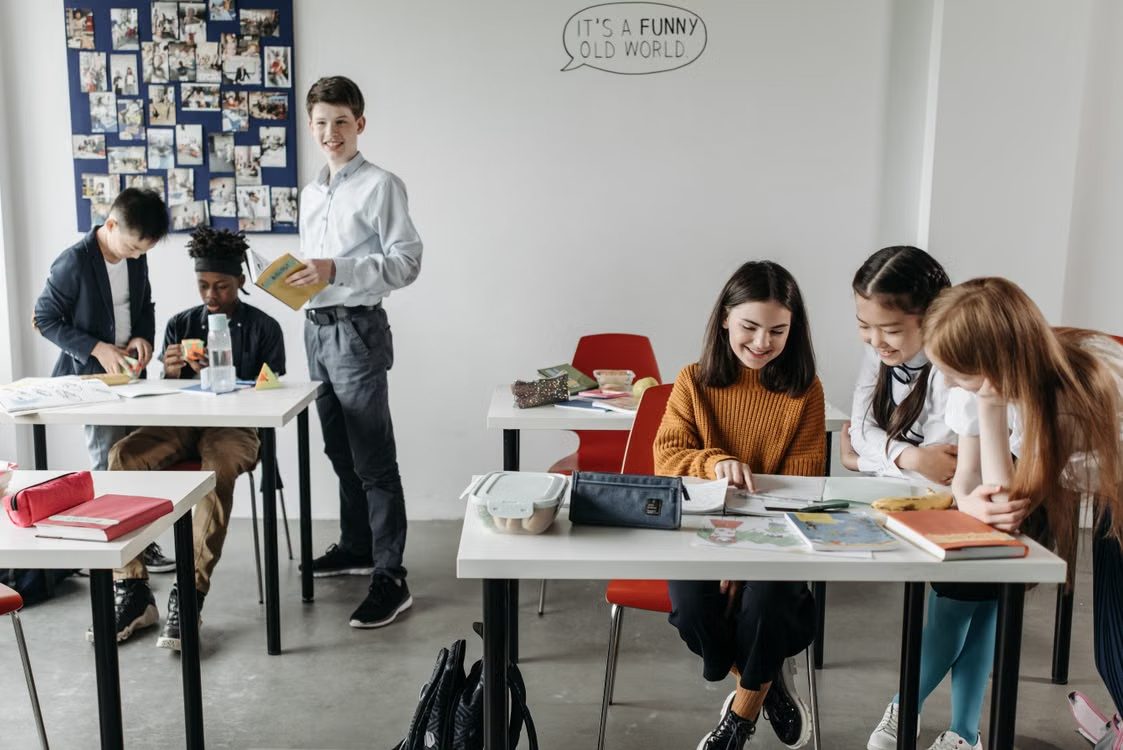
Depending on the programme, classroom activities might include group research, experiments, discussions, presentations and practical projects. A science lesson, for instance, could involve making observations, recording results and explaining why something happened. These activities encourage students to think about the information they receive and develop their own explanations.
Teachers remain important throughout the process. They introduce concepts, provide accurate information, guide discussions and correct misunderstandings. Independent exploration works best when children have enough structure to understand what they are investigating.
This approach also helps students become more comfortable expressing ideas. Regular participation in classroom discussions gives them opportunities to explain their thinking, listen to classmates and consider different answers.
Developing International Mindedness and Cultural Awareness
An international primary curriculum often places importance on helping children understand different cultures and viewpoints. This is particularly relevant in schools where students come from different countries and family backgrounds.
Lessons might explore traditions, geographical regions, historical events, languages and environmental issues from around the world. Students learn that people may have different customs and experiences while sharing many common concerns.
The IPC, for example, includes an international dimension alongside its subject learning and personal development goals. This encourages children to consider how topics relate to communities beyond their immediate surroundings.
Cultural awareness is also developed through everyday school life. Working with classmates from different backgrounds gives children opportunities to practise respect, cooperation and communication.
These experiences provide a useful foundation for studying and working in increasingly connected environments. They also help children understand their own communities in relation to the wider world.
Personal Development Beyond Academic Results
Primary education plays an important role in shaping how children approach challenges, relationships and responsibilities. Some international programmes include personal learning goals alongside academic objectives.
These goals might involve communication, collaboration, resilience, respect, adaptability and thoughtfulness. Students practise these qualities through classroom discussions, group assignments, presentations and school activities.
For example, completing a group project requires children to share responsibilities, listen to suggestions and work towards an agreed result. When a task becomes difficult, they also have opportunities to practise patience and find another way forward.
Schools may assess personal development through teacher observations, reflection activities and feedback rather than relying only on examination scores. The exact method varies between programmes.
Parents should ask how these skills are taught and supported. Personal development should be reflected in everyday classroom practices rather than appearing only in a school's promotional material.
How Assessment and Progress Tracking May Differ
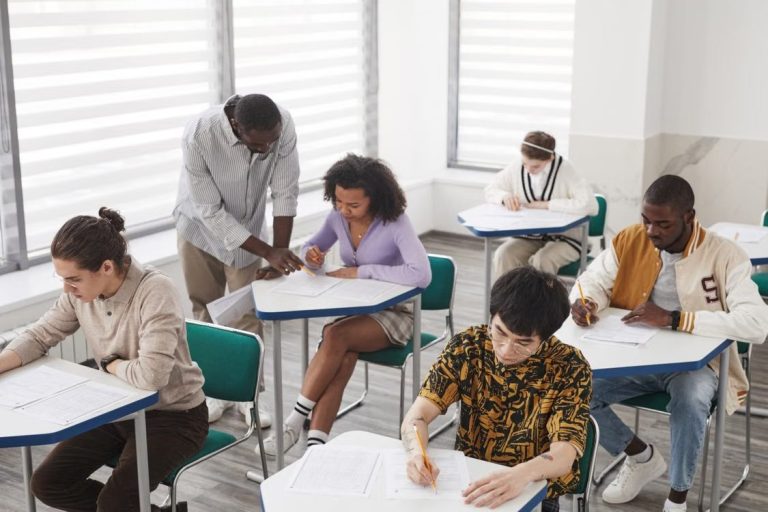
Assessment methods vary across international primary curricula. Some schools use regular tests and formal examinations, while others place greater emphasis on coursework, projects, teacher observations and ongoing feedback. Many combine several methods.
Continuous assessment helps teachers understand how children are progressing throughout the school year. It can identify areas where a student needs additional support before difficulties become more serious.
Formal assessments also have a purpose. They provide a structured way to measure knowledge and skills against specific learning standards. The balance between formal and ongoing assessment depends on the curriculum and year level.
Parents should find out how often progress reports are issued, what information they contain and how teachers communicate concerns. It is also important to understand how assessment results influence placement and progression into the next year group.
Final Thoughts
An international primary curriculum offers a range of approaches to teaching and learning. Some programmes connect subjects through themes, encourage inquiry and include personal development goals alongside academic objectives. Others follow more structured subject-based frameworks while still providing opportunities for practical learning and cultural awareness.
For parents, the most important consideration is how well the curriculum supports their child's development. Reviewing the actual programme, classroom practices, assessment methods and progression arrangements provides a clearer basis for choosing a school than relying on the term international alone.