

Thailand draws over 11 million first-time visitors a year, and most of them make the same three mistakes: booking flights before researching the weather patterns, trying to cram Bangkok, Chiang Mai, and three islands into eight days, and arriving without any sense of how much things should actually cost. None of these mistakes ruin a trip, but they add unnecessary friction to what should be a fairly smooth destination to visit. Here's how to put together a first trip that doesn't leave you scrambling or overspending.
Pick Your Season Before You Pick Your Dates
Thailand has three seasons, not the two most people assume. Cool season runs roughly November through February, with lower humidity and temperatures in the 70s and 80s — this is peak tourist season for good reason. Hot season hits March through May, when Bangkok regularly climbs past 95 degrees. Rainy season spans June through October, which doesn't mean constant downpours but does mean short, heavy afternoon storms, especially in the south.
If flexibility allows, aim for December through February. Prices run higher during these months, but the weather cooperates almost everywhere, from the northern mountains to the southern beaches. Visiting during rainy season isn't a dealbreaker either — just expect lower hotel rates and fewer crowds at temples.
Decide What Kind of Trip You Actually Want
Thailand splits into distinct regions that don't necessarily belong in the same itinerary. Bangkok offers street food, markets, and temple-hopping in a dense urban setting. Chiang Mai and the north lean toward mountains, elephant sanctuaries, and a slower pace. The southern islands — Phuket, Koh Samui, Koh Phi Phi — are built around beaches and diving.
Trying to see all three regions in under ten days usually means spending more time in transit than in any single place. A first trip works better with two regions and enough days in each to settle in rather than rush through. Three or four nights per location is a reasonable minimum once you factor in domestic flights or long bus rides between them.
Build a Realistic Budget
Thailand remains one of the more affordable destinations for the value it delivers, but costs vary wildly depending on how you travel. A guesthouse room might run $15 to $25 a night, while a mid-range hotel lands between $40 and $80. Street food meals cost $1 to $3, and even sit-down restaurant dinners rarely exceed $10 to $15 per person outside tourist-heavy areas.
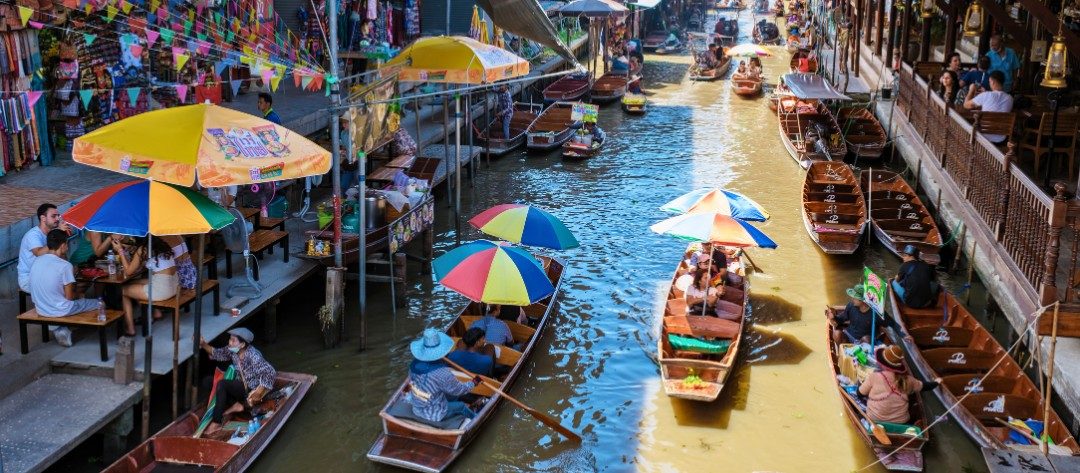
Transportation adds up faster than food. Domestic flights between major cities typically cost $30 to $70 one way, and overnight trains or buses run cheaper but take longer. For travelers who'd rather not piece together flights, hotels, and transfers individually, Thailand tour packages can simplify the planning significantly and often bundle in experiences — like a floating market visit or a guided trek — that are harder to arrange solo. They're worth comparing against a self-planned itinerary even if you end up booking everything separately.
Sort Out Visas and Entry Requirements Early
Many nationalities, including US, UK, Canadian, and Australian passport holders, can enter Thailand visa-free for stays up to 30 days when arriving by air. This changes periodically, so confirm current rules on the Thai embassy website a few weeks before departure rather than relying on outdated blog posts. Passports need at least six months of validity remaining from the date of entry.
Proof of onward travel sometimes gets requested at immigration, so keep a return or connecting flight confirmation accessible, even if only on a phone.
Pack for Temples and Humidity, Not Just Beaches
Thailand's temples, including the Grand Palace in Bangkok and Wat Phra That Doi Suthep in Chiang Mai, enforce dress codes that require covered shoulders and knees. A lightweight scarf or sarong packed in a day bag solves this problem without forcing you to carry extra clothing everywhere.
Breathable, quick-dry fabrics handle the humidity better than typical travel clothes. A reusable water bottle with a built-in filter cuts down on plastic waste and the need to buy bottled water constantly, since tap water isn't safe to drink directly.
Get a Head Start on Language and Transportation Apps
Knowing a handful of Thai phrases — sawasdee for hello, khop khun for thank you — goes a long way, though English is widely spoken in tourist areas. More useful than memorizing phrases is downloading Grab, the regional equivalent of Uber, before arrival. It works for both rides and food delivery across most cities and removes the guesswork around taxi fares.
A SIM card from AIS or TrueMove, available at the airport for about $10 to $15, provides reliable data for maps and translation apps throughout the trip.
Start With a Loose Plan, Not a Rigid One
The travelers who report the least stress in Thailand are usually the ones who book the big pieces — flights, a few key hotels, maybe one or two major activities — and leave the rest open. Thailand is easy to navigate on the fly, with plentiful transportation options and accommodations that can often be booked a day or two in advance without issue.
Plan enough to feel secure, but leave room to extend a stay somewhere that turns out better than expected or skip something that doesn't. That balance, more than any packing list or itinerary template, is what actually makes a first trip to Thailand feel manageable instead of overwhelming.




3 thoughts on “How to Plan Your First Trip to Thailand Without the Stress”