Developing modern military hardware involves huge financial investments and strict national security deadlines. Building physical prototypes for every design iteration wastes taxpayer funds and slows down critical production cycles. You need smarter ways to validate complex engineering concepts before moving into the expensive manufacturing phase.
Upgrading your engineering toolkit gives you the precise analytical foresight needed to win government defence contracts. In this article, you will discover why top defence contractors now rely heavily on digital testing environments.
Reducing Physical Prototype Costs
Building a single physical fighter jet prototype costs millions of pounds and takes months to construct. If you discover a critical design flaw during flight testing, that entire prototype is often scrapped. You simply cannot afford to waste your limited research budget on endless physical trial and error. Identifying structural issues early saves significant resources.
Utilising advanced simulation technology enables your engineering teams to virtually test thousands of design variations. You can easily fix fatal structural flaws in the digital realm without spending money on raw materials. This cost reduction keeps your defence projects strictly within their allocated budgets.
Accelerating Development Timelines
Winning government defence contracts requires delivering capable military hardware faster than your global competitors do. Traditional physical testing creates operational bottlenecks that delay your final product delivery to the armed forces.
Digital testing safely accelerates military engineering timelines in these ways:
- Running Parallel Tests: You can run thousands of different digital stress tests overnight instead of testing one physical model
- Applying Instant Design Iterations: Engineers can tweak a digital vehicle chassis and immediately retest it without waiting for new parts
- Bypassing Weather Delays: Virtual flight testing continues uninterrupted regardless of the actual physical weather conditions outside your facility
Enhancing Safety For Test Pilots
Pushing experimental military aircraft to their physical limits is dangerous for your trained test pilots. Unforeseen aerodynamic stalls or catastrophic engine failures during test flights often result in fatal accidents. You have a strict moral obligation to protect your personnel during the engineering validation phase.
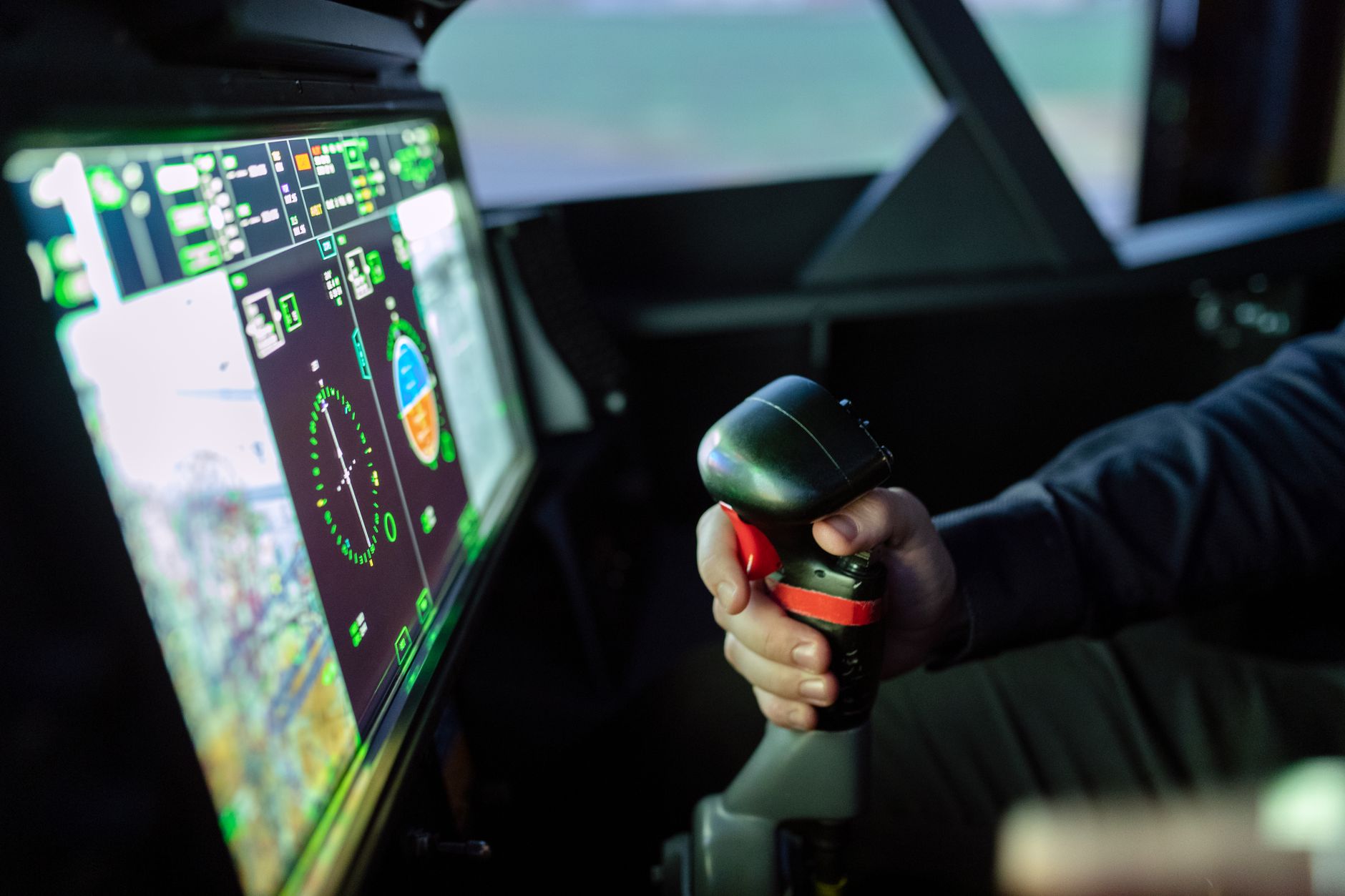
Digital modelling allows you to push experimental designs beyond their breaking points without risking human life. Your engineers observe how a jet behaves during an uncontrollable spin entirely on a computer screen. This ensures you only fly aircraft that have already proven their fundamental aerodynamic stability virtually.
Integrating Complex Internal Systems
Modern military vehicles are flying computers packed with complex radar systems and electronic warfare suites. Ensuring these separate electronic systems communicate without causing internal interference is a major engineering challenge.
Before final assembly, virtual environments help you seamlessly integrate complex internal systems:
- Mapping Signal Interference: The software models how powerful internal radar waves might accidentally disrupt vital radio communications
- Testing Power Loads: You can calculate exactly how much electrical power the weapon systems drain from the main engine
- Validating Software Code: Programmers can safely test new flight control software on a virtual aircraft before risking a physical crash
Preparing for Future Threats
Defence contractors must design weapons that can defeat enemies who may not exist for another decade. Guessing what future adversaries might develop is a risk when designing expensive military platforms. Digital models allow you to test your current designs against classified, theoretical future threat scenarios securely.
You can simulate how your new stealth bomber will perform against next-generation enemy radar systems. This strategic foresight ensures your military hardware remains relevant and lethal for decades to come. By testing against tomorrow's threats today, you guarantee your hardware maintains battlefield superiority.
Modernise Your Defence Engineering Pipeline
Staying ahead in the competitive defence industry means moving beyond slow, expensive physical prototyping. Digital environments reduce your engineering costs, accelerate development timelines, and keep your test pilots safe. Building superior military hardware requires integrating complex internal electronics and preparing for future threats.
Stop wasting your research budgets on physical trials that slow down your national security projects. Take advantage of digital engineering tools to build military platforms faster than ever.