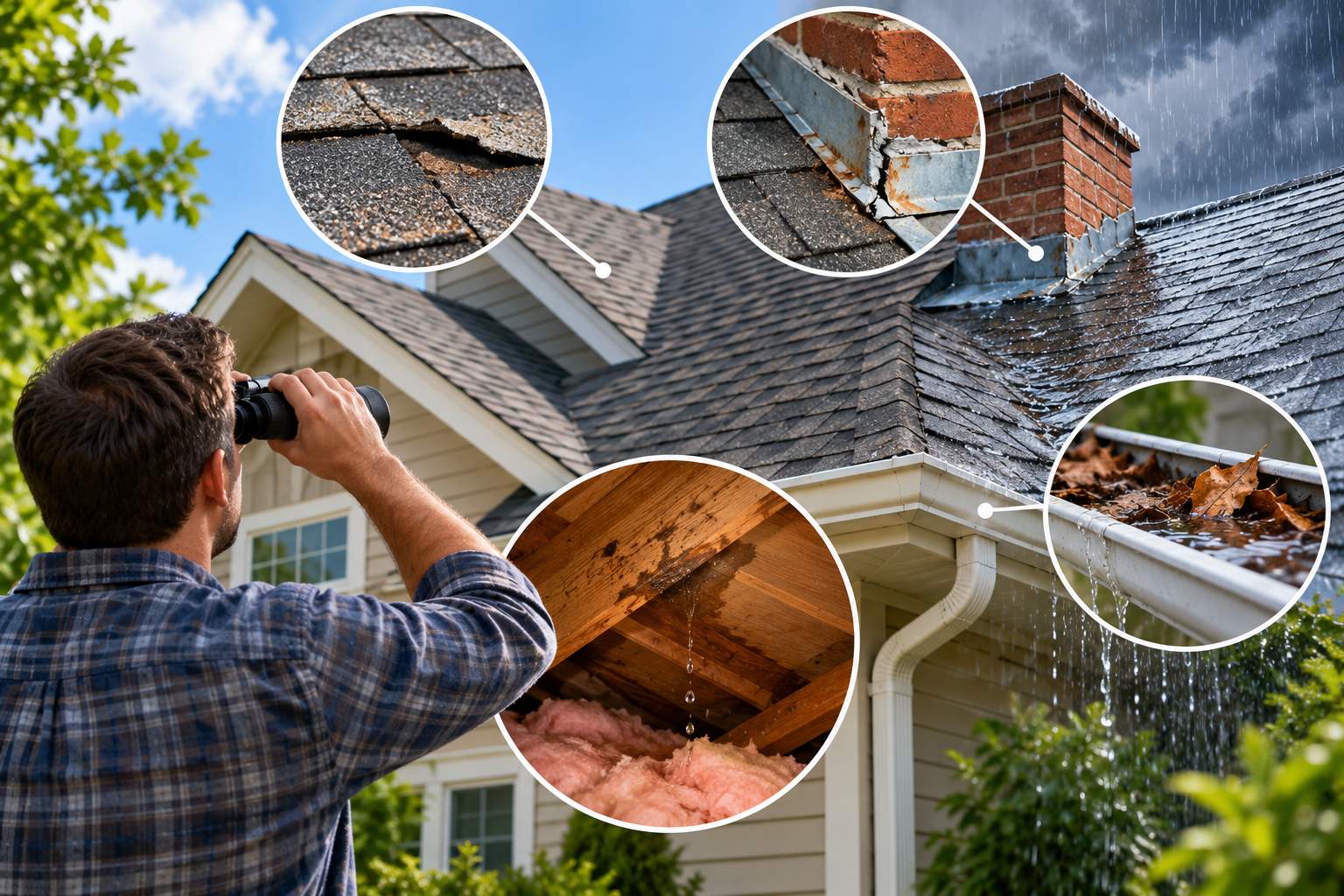
Rainwater drips down ceilings and ruins paint long before homeowners notice a hole overhead. Small cracks in shingles let moisture enter wall cavities quietly. Fixing these issues early saves money and stops mold growth. Property owners benefit greatly from routine inspections of shingles and flashing. Catching minor flaws prevents major disasters during heavy storms.
Why Roof Checks Matter So Much
Roofs protect houses from wind and rain every single day. Shingles take a beating from harsh sun and freezing cold. When materials age, small gaps form around nails and seams. Water finds these tiny openings during every downpour. Homeowners must watch for warning signs before moisture rots the wooden deck below.
Spotting tiny leaks early keeps repair bills very small. Homeowners often miss early signs of water damage until repairs cost a fortune. Local experts at Silver Ridge Roofing suggest checking shingles every single spring. Small holes let rain soak right into the wood frame. Waiting too long turns a simple fix into a massive project.
Checking your home top requires basic tools and patience. A pair of binoculars helps you scan high areas safely from the lawn. Binoculars reveal cracked or missing shingles without requiring a risky ladder climb. Taking time to inspect exterior surfaces twice a year pays off immensely. Modern living demands careful attention to household maintenance tasks.
Spotting Trouble Inside Your Attic
Attics offer the best vantage point for finding hidden moisture problems. Climbing up with a flashlight during daytime hours reveals daylight peeking through boards. Dark water stains on rafters point directly to past or active leaks. Insulation that feels damp or soggy indicates a slow drip overhead.
Molded smells inside enclosed roof spaces signal trapped humidity. Bad odors often guide property owners straight to trouble spots. Checking wooden beams after heavy rainstorms shows where water travels. Ventilation systems play a massive role in keeping attic spaces dry. Trapped moisture cooks roof decking from the inside out during warm months. Proper airflow stops condensation from forming on cold winter nails.
Here are key attic signs:
- Damp insulation feels heavy
- Dark stains on wood
- Mold growing near vents
- Daylight showing through boards
- Musty smells in air
Checking Shingles From The Ground
Walking across steep shingles poses serious safety risks for untrained individuals. Ground-level inspections using binoculars offer a safer alternative for routine checks. Look for granules collecting in gutters or scattered near downspouts. Shingle granules protect asphalt surfaces from damaging ultraviolet rays.
Curling edges or missing tabs indicate aging roofing materials needing replacement. Dark patches on shingle surfaces often mean protective granules have worn away completely. Storm winds lift loose tabs and expose underlayment to driving rain. Asphalt shingles lose strength as petroleum oils evaporate over many years. Checking your roof perimeter after every windstorm catches loose tabs instantly. Nailing down loose corners stops wind uplift from tearing off large sections.
Property owners should watch for blistering or cracking on shingle faces. Extreme temperature changes cause thermal shock that splits asphalt layers apart. Spotting these weak spots early prevents sudden indoor flooding during storms.
Finding Leaks Near Chimneys And Flashing
Metal flashing seals gaps around chimneys, skylights, and plumbing vent pipes. Rust or cracks in metal flashing let water bypass shingle layers entirely. Sealant around flashing joints dries out and cracks over several seasons. Water follows the slope of roof decks straight into interior walls.
Checking metal flashings requires close attention during clear weather days. Rusted nail heads create tiny pathways for moisture entry. Replacing old sealant stops minor leaks before drywall stains appear downstairs. Chimney mortar crumbles over time and lets rain penetrate masonry structures. Applying waterproof masonry sealer protects chimneys from absorbing heavy moisture loads.
Here are flashing check steps:
- Look for cracked caulk
- Check metal for rust
- Inspect chimney joint seals
- Look for loose nails
- Check pipe boot rubber
Rainstorms And Water Pooling Signs
Flat sections or low-slope roofs face unique risks from standing water. Pooling water adds heavy weight and slowly breaks down membrane materials. Leaves and pine needles trap moisture in low spots after storms pass. Clogged gutters overflow and push water back under roof edges.
Water stains on exterior siding reveal overflowing gutters or damaged drip edges. Checking gutters after heavy rainfall ensures proper drainage away from foundations. Clearing debris prevents standing water from rotting wooden fascia boards. Downspouts must carry roof runoff several feet away from exterior walls. Pooling water near home foundations creates basement leaks and structural settling issues.
Checking drainage paths during heavy rainstorms highlights weak spots immediately. Overflowing corners indicate that gutters need cleaning or realignment adjustments. Fast action protects siding and windows from constant water exposure.
Seasonal Weather Impact On Roofs
Winter ice can build up on your roof. When ice melts, water can get under the shingles and cause leaks. In summer, the heat can make shingles dry and crack. Changes in heat and cold can also loosen nails and create small gaps where rain can get in.
Storms can cause roof damage, too. Hail can chip away at the roof’s outer layer. Strong winds can lift shingles and let water in. Spring is a good time to check for damage from ice and snow. In fall, get your roof ready for snow and ice.
Check your roof as the seasons change. Look for loose or broken shingles and signs of leaks. Fixing small issues early can save you money. Regular roof care helps your roof last longer and keeps your home safe and dry.
Repairing Minor Damage Quickly
Small roofing problems grow into expensive disasters when property owners delay repairs. Replacing a few broken shingles takes very little time and money. Professional contractors can patch small areas before plywood rots underneath. Ignoring water stains leads to costly mold remediation projects later.
Keeping a maintenance log helps track roof age and past repairs. Documenting changes helps technicians pinpoint chronic problem areas quickly. Regular care extends the lifespan of standard shingle systems by years. Quick patching stops minor leaks from ruining interior drywall and insulation. Taking action on day one saves thousands of dollars in restoration bills.
Final Thoughts On Roof Checks
Protecting your home starts with regular inspections from top to bottom. Catching leaks early saves thousands of dollars in structural restoration. Looking for attic stains and missing shingles keeps your family safe.
If you would like to learn more, check out more articles on our blog.