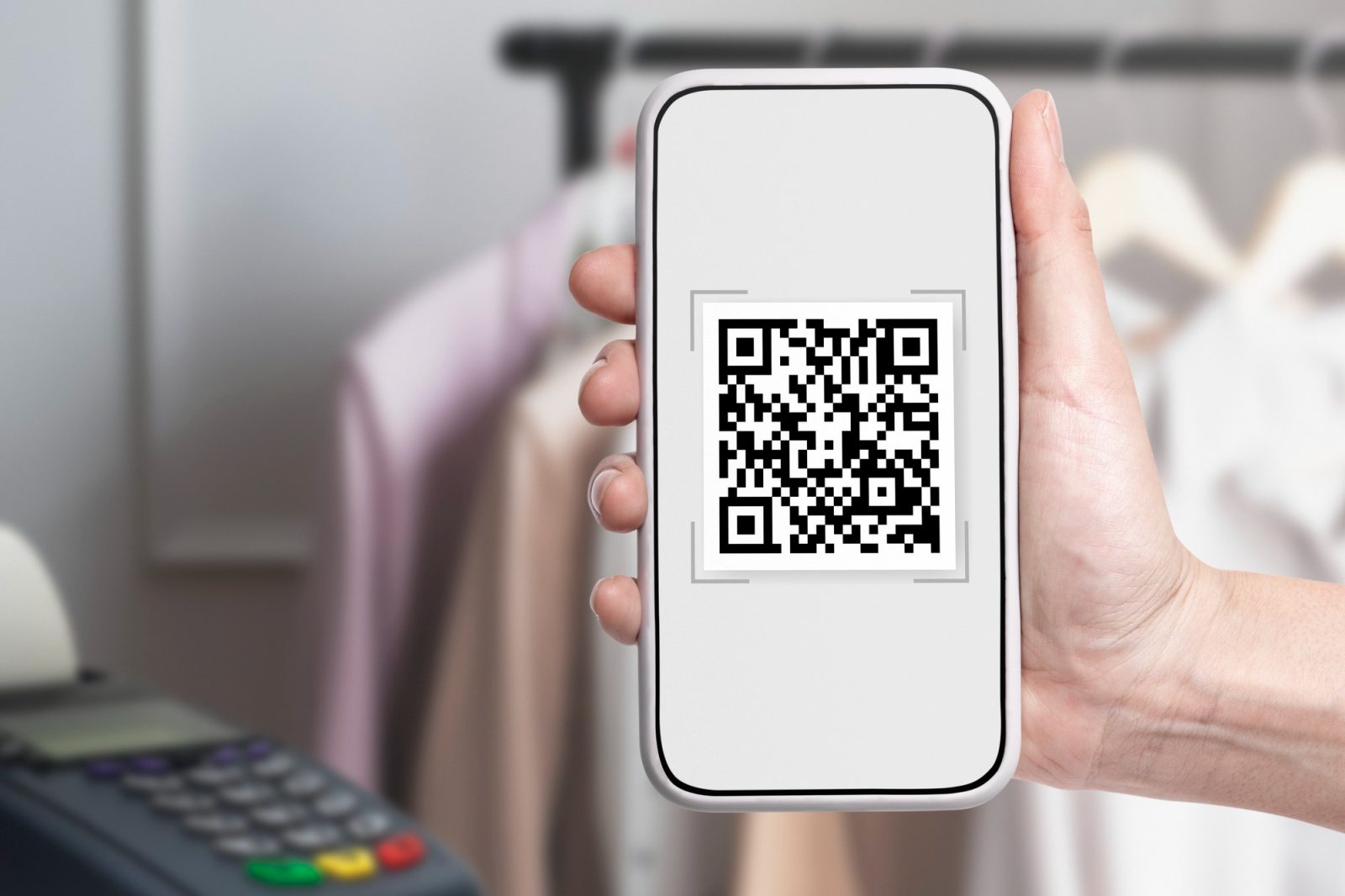
A QR code converts information into a pattern that a camera and scanning software can interpret. When someone scans the code, the device identifies its structure, reads the encoded data and processes the information.
The process begins when a QR code generator converts the supplied information into a square grid. The pattern includes several important features that help scanning software locate and interpret the code. These include the large square position markers near three corners, smaller alignment patterns in certain versions, timing patterns and the data itself. Understanding these features helps explain how do QR codes work when scanned by a smartphone.
When a smartphone camera detects the code, its scanning software identifies the position markers and works out the code's orientation. It then reads the grid, corrects for certain errors and decodes the stored information. If the code contains a website address, the phone may offer to open the page. If it contains payment details, the relevant payment application may process the information after the user confirms the transaction.
This is why a QR code can still be scanned when it appears at an angle or has minor damage. Its built-in error correction allows some missing or unreadable parts to be reconstructed.
1. GovTech Singapore
GovTech Singapore supports the development and delivery of digital government services. QR codes are one of the technologies that can help connect people with online information and public service resources. Understanding how do QR codes work and how they store and share digital information helps explain how these tools support everyday digital interactions.
A code displayed on a notice, information board or official communication can direct users to a relevant government webpage without requiring them to type a long address. This makes it easier to access instructions, service details and other digital resources.
2. DBS Bank
DBS has incorporated QR technology into its digital banking and payment services. Through supported banking applications, customers can scan compatible payment codes to make transactions at participating merchants.
This reduces the need to enter payment details manually. Instead, the code provides information that helps identify the payment recipient or transaction, while the banking application handles the authorisation process.
QR payments are particularly useful in places where customers want a quick alternative to cash or card payments. Users should still check the recipient and amount displayed in their banking application before confirming a transaction.
3. Grab
Grab uses QR technology as part of its wider digital services and payment ecosystem. QR codes can help customers access payment options and other digital features through supported applications and merchant arrangements.
For businesses, QR-based payments can simplify the checkout process by allowing customers to scan a code rather than handle cash. The transaction is then completed through the relevant payment service.
The technology also illustrates how QR codes connect physical businesses with mobile platforms. A printed code can act as the starting point for a transaction that takes place entirely through a smartphone.
4. Singtel
Singtel has offered digital payment services through platforms such as Singtel Dash, which have included QR-based payment functions. These services demonstrate how QR codes can be used to connect mobile wallets with participating merchants.
Instead of manually entering payment information, customers can scan a compatible code and follow the instructions in the application. The payment platform processes the transaction after the required details and authorisation have been completed.
The exact features and merchant acceptance of payment services can change, so users should check the current application information before relying on a particular payment method.
5. UOB
United Overseas Bank (UOB) supports digital payment options through its banking services, including QR-related payment features where available. Customers can use compatible mobile banking functions to scan payment codes and complete transactions at participating merchants.
QR payments can be useful in retail shops, restaurants and other businesses that support the relevant payment network. They reduce the need for customers to enter account or recipient information manually.
As with other banking transactions, scanning the code is only one part of the process. Customers should verify the payment details shown on their device before authorising the transfer.
6. Marina Bay Sands
Marina Bay Sands is an example of a large hospitality and entertainment destination where QR codes can support visitor information and digital engagement.
Hotels, restaurants and attractions can use QR codes to direct visitors to menus, event details, service information and promotional pages. This gives guests a convenient way to access updated information using their smartphones.
For operators, QR codes can also reduce the need to print large quantities of material whenever information changes. A code can remain the same while the linked digital content is updated, provided the destination address remains valid.
7. Shopee
Shopee uses QR codes in parts of its digital shopping and promotional ecosystem. Depending on the feature, users may encounter codes that direct them to product pages, campaigns or other platform content.
For online retailers, QR codes provide a link between offline advertising and online shopping. A customer who sees a product promotion on a printed poster can scan the code to view the relevant digital page.
This can make promotional materials more interactive while reducing the steps needed to find a particular product or offer.
8. NTUC FairPrice
NTUC FairPrice operates a supermarket network in Singapore, where QR codes can support digital information and customer-facing services.
Retailers can use QR codes to share product details, promotions and links to online resources. They can also be incorporated into digital payment arrangements where supported.
For shoppers, this means a printed code can provide access to information that would otherwise require searching through a website or mobile application. The actual function depends on the code and the service connected to it.
9. ComfortDelGro
ComfortDelGro operates transport services in Singapore, including taxi services. QR codes can support digital interactions in transport settings, such as directing passengers to payment information or online services where the relevant feature is available.
In a taxi, a QR code may provide a convenient way to access a payment option or service page. Passengers should always check that the code belongs to the intended operator and that the payment details shown are correct.
The broader benefit is that QR codes can reduce the need to enter lengthy information while helping transport providers connect physical journeys with digital services.
10. Razer
Razer is a Singapore-founded gaming hardware and lifestyle brand that can use QR codes as part of product information, promotional campaigns and customer engagement.
A code on packaging or marketing material can direct customers to product specifications, setup instructions, support pages or campaign content. This gives users access to additional information without requiring lengthy printed explanations.
QR codes can also help brands create a more direct connection between physical products and online resources. For customers, the main advantage is being able to access relevant information quickly using a smartphone.
Are QR Codes Safe to Use?
QR codes are generally a convenient way to access digital information, but scanning one does not guarantee that the destination is trustworthy. A fraudulent code can redirect users to a fake website, a phishing page or a payment destination controlled by someone else.
This type of scam is sometimes called quishing, which refers to phishing carried out through QR codes. Criminals may place fake stickers over legitimate codes or distribute misleading codes through messages and printed materials.