A well-decorated table can change the appearance and functionality of an entire room. Whether it is a dining table, coffee table, or side table, the right combination of materials, colors, and accessories creates a more polished interior. However, effective table decoration involves more than placing attractive objects on a surface. Proportion, material compatibility, spatial balance, and everyday usability all influence the final result.
Homeowners can upgrade their tables without replacing existing furniture. Small, deliberate changes often produce better results than filling the surface with decorative accessories. Understanding how different materials, finishes, and decorative elements interact makes it easier to create an attractive and practical arrangement.
1. Introduce Decorative Coasters With Practical Value
Coasters are useful accessories that also contribute to a table's overall appearance. They protect surfaces from moisture, condensation, and heat transfer from beverage containers. These concerns are particularly relevant to wooden, laminated, and polished furniture finishes, where prolonged moisture exposure can cause staining or surface deterioration.
Instead of choosing generic designs, consider personalized ceramic coasters that complement the room's color scheme. Ceramic provides a solid decorative surface with a smooth finish. Its relatively low water absorption, when properly glazed, also makes it suitable for everyday beverage use.
Consider these design approaches:
- Color coordination: Match coaster colors with existing furniture, curtains, or upholstery.
- Geometric patterns: Introduce visual contrast through structured shapes and repeating patterns.
- Personalized designs: Use custom graphics, illustrations, or colors to create distinctive accessories.
- Material combinations: Pair ceramic with wooden trays or woven placemats for additional texture.
The key is to select accessories that protect furniture while contributing to the room's overall design. Coasters should also have smooth edges and a stable base to minimize scratching and movement.
2. Create a Layered Centerpiece
A centerpiece establishes a visual focal point. However, a single decorative object can sometimes make a large table appear unfinished. Layering different objects creates more depth and visual interest without requiring expensive furniture upgrades.
Start with a decorative tray or shallow bowl as the foundation. Add two or three complementary objects, such as a small vase, candleholder, or sculptural ornament. Vary their heights to create a balanced arrangement.
3. Experiment With Contrasting Materials
Material contrast is an effective way to make existing furniture more interesting. Combining different textures creates visual complexity without relying entirely on bright colors or elaborate patterns.
Consider pairing natural wood with polished ceramic, glass surfaces with woven decorative elements, marble finishes with brushed metal accessories, or matte table surfaces with glossy decorative objects.
These combinations work because different materials reflect light and interact with surrounding textures differently. For example, polished ceramic introduces a reflective finish that contrasts with the grain of unfinished wood.
4. Use Table Runners to Define Space
A table runner introduces color and texture while helping organize the decorative arrangement. It also provides a visual boundary between the tabletop and its accessories.
For wooden dining tables, linen and cotton runners create a softer appearance. For contemporary interiors, neutral runners with subtle geometric patterns can complement metal, glass, and stone finishes.
Choose the runner according to the table's dimensions. It should provide sufficient coverage without interfering with seating or everyday activities. Leave enough exposed tabletop to showcase attractive wood grains or stone patterns.
5. Follow Professional Table Styling Principles
Good table styling depends on balance rather than the number of accessories. Interior designers frequently use differences in height, texture, and proportion to create visually interesting arrangements.
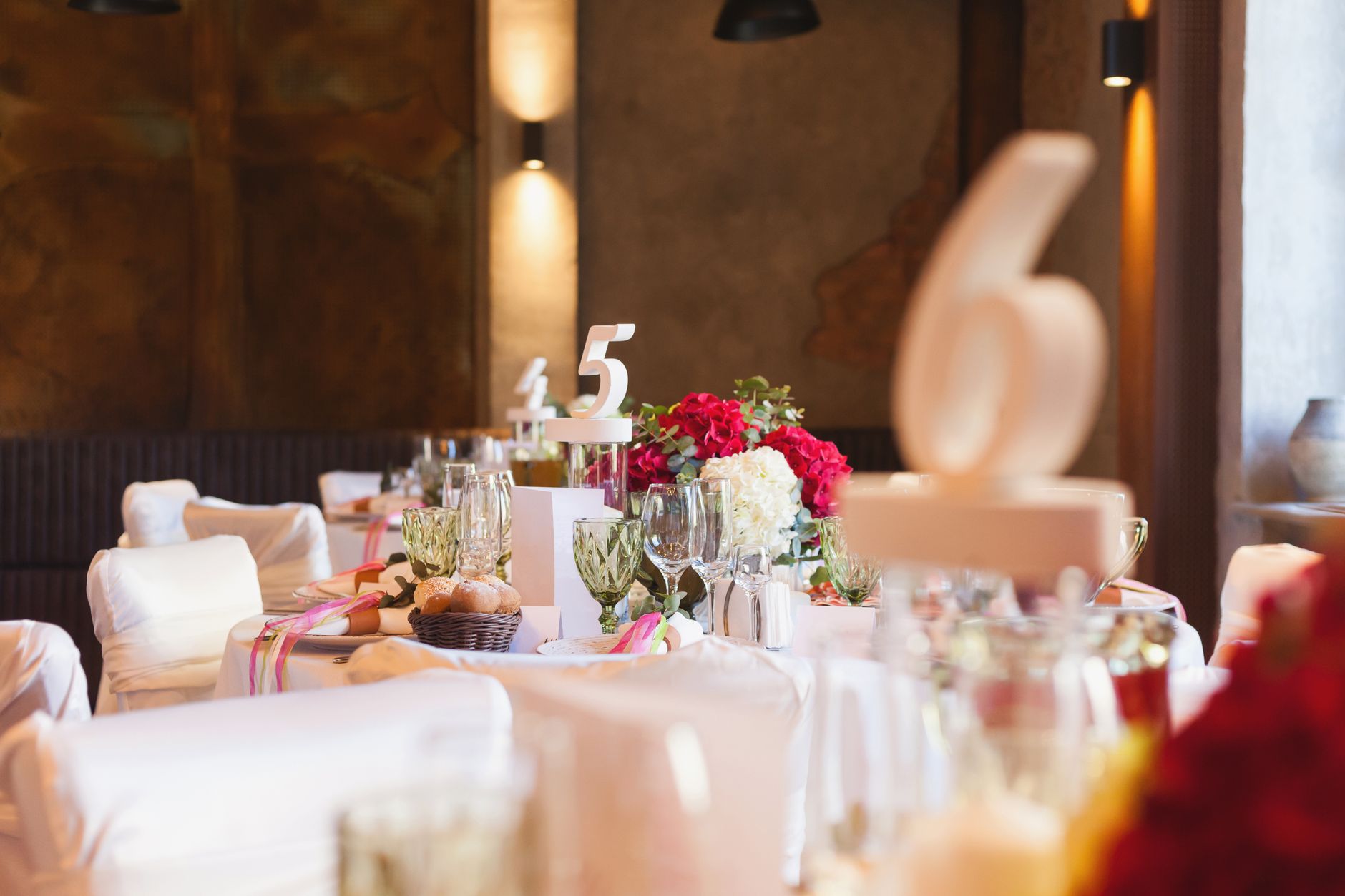
Architectural Digest's guide on how to set a table for different occasions discusses the importance of coordinating table linens, place settings, glassware, and centerpieces. These principles also apply to everyday home decoration.
For better results:
- Maintain enough empty space for practical use.
- Group related decorative objects instead of scattering them.
- Repeat selected colors to create visual consistency.
- Combine different heights without blocking sightlines.
- Keep frequently used items within easy reach.
These principles are particularly useful for dining tables and coffee tables that serve multiple purposes.
6. Rotate Decorations With the Seasons
Changing table accessories periodically keeps interiors from feeling repetitive. Seasonal updates also provide an opportunity to reuse existing decorative pieces in different combinations.
During warmer months, introduce fresh flowers, lighter fabrics, and natural colors. In cooler seasons, consider textured runners, wooden accessories, and deeper color palettes.
You do not need to purchase an entirely new collection for every season. Repositioning existing objects, changing the centerpiece, or introducing a different table runner can create a noticeable transformation.
Make Table Decor Both Attractive and Functional
An effective table arrangement should complement the surrounding interior without interfering with everyday activities. The most successful upgrades combine durable materials, appropriate proportions, coordinated colors, and useful accessories.
Start with a few carefully selected changes rather than decorating every available space. A functional centerpiece, complementary coasters, suitable lighting, and balanced textures can significantly improve an existing table. With thoughtful styling and regular maintenance, even familiar furniture can become a more attractive and practical part of the home.