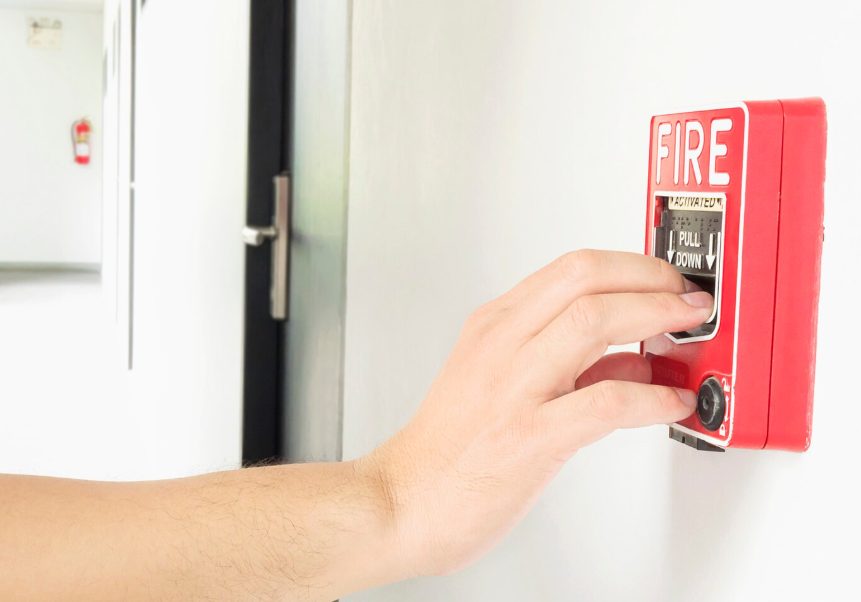
Fire safety is a fundamental responsibility for owners and operators of commercial buildings. Offices, retail premises, warehouses and other business facilities need suitable fire protection measures to help safeguard occupants and support safe building operations. When fire safety works are carried out, the relevant approvals and certification must also be in place before the premises are occupied or used.
In Singapore, the Fire Safety Certificate (FSC) is issued by the Singapore Civil Defence Force (SCDF) after the required fire safety works have been completed and inspected. For owners and managers, obtaining a fire safety certificate for commercial building use involves understanding its purpose, application requirements and relationship with ongoing building maintenance. This helps them manage their responsibilities more effectively.
What Is a Fire Safety Certificate?
A Fire Safety Certificate confirms that the fire safety works covered by an application have been completed in accordance with the approved plans and applicable requirements. It is required before a building or affected premises can be used or occupied following relevant fire safety works.
The certificate provides assurance that the required fire safety provisions have been installed and inspected. These provisions might include fire alarm systems, sprinklers, emergency lighting, smoke control measures, fire-rated doors and other equipment, depending on the building's design and approved plans.
An FSC is not a general statement that every aspect of a building will remain safe indefinitely. Owners must continue to maintain fire protection systems, keep escape routes clear and comply with applicable fire safety requirements after the certificate has been issued.
When Does a Commercial Building Need an FSC?
An FSC is generally required when new building projects or relevant alterations and additions involve fire safety works requiring SCDF approval. Examples include projects involving changes to fire protection systems, building layouts or other fire safety provisions.
The exact requirements depend on the nature and scope of the project. A renovation involving changes to fire-rated partitions, escape routes, sprinkler arrangements or fire alarm installations might require professional assessment and the relevant approvals.
Building owners should consult a Qualified Person (QP) before starting work that affects fire safety provisions. A QP, such as a suitably qualified architect or professional engineer, assesses the proposed works and handles the relevant submissions to the authorities.
It is important to distinguish an FSC from a Fire Certificate (FC). An FSC relates to the completion and approval of fire safety works before occupation or use. An FC is a separate certification scheme covering the maintenance and proper working condition of fire protection systems in buildings that meet specified criteria.
The Application Process for an FSC
Obtaining an FSC involves several stages, beginning with the approval of fire safety plans and ending with the submission of the completed project for certification.
The first step is to engage a Qualified Person to assess the proposed works and prepare the necessary fire safety plans. These plans must receive the required approval before the relevant construction or installation work proceeds.
Once the works are completed, the owner must arrange for a Registered Inspector (RI) to inspect the fire safety provisions. Depending on the project, inspections by professionals covering architectural, mechanical and electrical aspects might be required.
The inspection checks whether the completed works comply with the approved plans and relevant requirements. Any outstanding issues identified during the inspection need to be addressed before certification can proceed.
After the required inspections and documentation are ready, the QP submits the FSC application to SCDF through the relevant electronic submission process. The application includes the required certification documents and inspection records.
Owners should keep copies of the approved plans, inspection reports and issued certificate for future reference.
Documents and Inspections Required
The documents required depend on the project, but the application generally includes the FSC application form, certification of fire safety works and the Registered Inspector's inspection certificates and report.
Additional documents might be necessary for specific installations. These include certification relating to lift installation and operation, fire engine access roads and accessways, and regulated fire safety products where applicable.
The Registered Inspector plays an important role in verifying the completed works. The inspection checks whether the installed systems and fire safety provisions meet the approved requirements.
Depending on the project, the inspection might cover fire alarm equipment, sprinkler installations, emergency lighting, smoke control systems, fire-rated construction and means of escape. The inspection scope should reflect the approved plans and the type of work undertaken.
Submitting complete and accurate documentation helps reduce delays. Owners should coordinate with their QP, contractors and inspector throughout the project rather than waiting until the final stage to gather the necessary records.
FSC and Temporary Fire Permit: Understanding the Difference
A Temporary Fire Permit (TFP) provides a limited period of permission to use or occupy premises before an FSC is obtained. It is intended for projects where the fire safety works have been satisfactorily completed, but only very minor outstanding issues remain.
A TFP is not an automatic alternative to an FSC. SCDF assesses whether the remaining issues are sufficiently minor for temporary permission to be granted. The timeframe for obtaining the full FSC depends on the size, type and complexity of the project.
Owners should not assume they can occupy commercial premises simply because most of the fire safety work is finished. The required approval must be obtained before the premises are used, unless SCDF has granted the appropriate temporary permission.
Ongoing Fire Safety Responsibilities
Obtaining an FSC does not remove the owner's responsibility to maintain fire safety provisions. Systems must remain in suitable working condition, and building operators should arrange regular inspections and maintenance according to applicable requirements.
Owners should also ensure emergency exits and escape routes remain accessible. Fire doors must not be obstructed or improperly secured, while extinguishers, alarms and other equipment should remain accessible and ready for use.
Where building layouts or operations change, owners should assess whether the proposed changes affect approved fire safety arrangements. Alterations to partitions, storage areas, equipment or escape routes might require professional advice and further regulatory approval.
For buildings that fall under the separate Fire Certificate scheme, additional inspection and renewal requirements apply. Owners should identify which certification obligations relate to their premises instead of treating the FSC and FC as interchangeable documents.
Choosing the Right Fire Safety Professionals
The professionals involved in a fire safety project have different responsibilities. A Qualified Person prepares and submits the necessary plans and certification documents, while a Registered Inspector carries out the required independent inspections.
Contractors are responsible for carrying out the approved work and installing the specified equipment correctly. Where specialised fire protection systems are involved, owners should engage contractors with relevant experience and appropriate technical capabilities.
Before appointing professionals, clarify the project scope, submission responsibilities, inspection arrangements and expected timeline. Good coordination between the owner, QP, contractors and RI helps prevent incomplete work and avoidable delays.
Owners should also request clear records of completed installations, testing and maintenance. These documents provide useful references when future inspections, alterations or certification applications are required.
Final Thoughts
A Fire Safety Certificate is an important part of completing relevant fire safety works in commercial buildings in Singapore. Owners need to understand when certification is required, which professionals must be involved and what inspections and documents form part of the application.
Planning helps avoid delays and reduces the risk of incomplete submissions. More importantly, owners should treat certification as one part of their wider fire safety responsibilities, with regular maintenance, proper building management and attention to occupant safety remaining essential throughout the building's operation.