

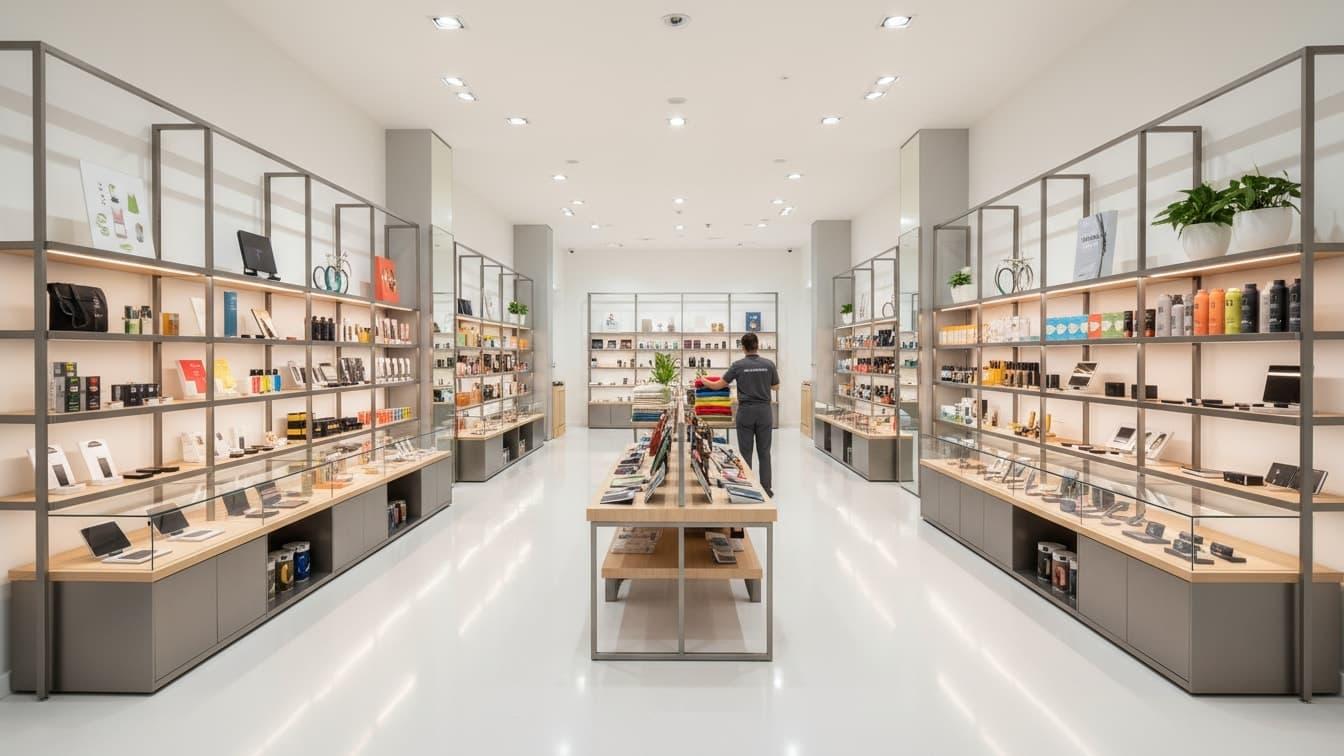
The retail industry has undergone significant changes as consumer expectations, technology and international commerce continue to evolve. While large marketplaces offer an enormous variety of products, specialist retailers remain an important part of the market. Their approach focuses on particular product categories, recognizable brands and more organized shopping experiences.
For consumers, finding the right product is not always about having the largest possible selection. Clear information, familiar names, convenient navigation and a well-structured catalogue can make the process considerably easier. These factors help explain why specialist retail continues to attract attention across different industries.
Understanding the role of specialized stores also provides insight into how modern businesses compete, communicate with customers and adapt to changing market conditions.
Why Specialist Retailers Remain Relevant
Large online marketplaces have made it possible to find almost anything in one place. However, their extensive catalogues can sometimes make product discovery difficult. Thousands of unrelated listings may require visitors to spend considerable time filtering results and comparing options.
Specialist retailers approach this challenge differently. Instead of covering every possible market, they concentrate on a narrower selection of product categories. This allows them to organize their catalogues around a particular audience and make relevant information easier to locate.
A focused retail environment can also provide a more consistent presentation. Visitors are less likely to encounter unrelated categories, while product descriptions and navigation can be structured around the needs of the intended audience.
This does not mean specialist stores are automatically better than larger marketplaces. Each model serves a different purpose. Broad platforms offer variety and convenience, whereas focused retailers can provide a more clearly defined shopping environment.
The continued presence of both models demonstrates that consumers value different things depending on what they are looking for.
The Importance of Product Organization
A well-organized catalogue is one of the most important elements of an effective online store. Even a business with a strong selection can create a frustrating experience if visitors cannot find the products they want.
Categories help divide a large collection into understandable sections. Instead of browsing every available listing, visitors can begin with a general category and gradually narrow their search.
Brand-based navigation can be equally useful. When customers already recognize a manufacturer or product name, a dedicated section provides a more direct way to explore relevant options.
Filters and sorting tools add another level of convenience. Depending on the type of store, visitors may be able to organize products by price, availability, brand or other characteristics.
The quality of this structure matters because online shopping removes many of the visual and personal cues found in physical stores. Clear navigation must therefore perform much of the work that physical displays and staff assistance traditionally provided.
Retailers that regularly review their category structure can make their websites easier to use as their catalogues expand.
Brand Recognition and Consumer Familiarity
Brand identity remains a major part of modern retail. Names, logos, packaging and visual presentation help consumers distinguish between different manufacturers and product collections.
Familiarity can influence how people approach a catalogue. When visitors recognize a brand, they may already have an idea of the type of product they are looking for. This makes consistent naming and accurate product classification particularly important.
However, brand recognition is not created through logos alone. It develops through repeated exposure, consistent presentation and the way a business communicates with its audience.
Retailers also play a role in maintaining this recognition. Product names should be displayed clearly, brand sections should be easy to locate, and descriptions should avoid unnecessary confusion.
In competitive markets, even small presentation differences can affect how a catalogue is understood. Consistency across product pages, category listings and promotional materials helps create a more recognizable retail identity.
How Online Stores Are Changing Product Discovery
Digital retail has changed the way people discover products. In the past, shoppers often relied on local shops, printed catalogues and recommendations from people they knew. Today, search engines and online stores provide additional ways to research available options.
Consumers can visit a retailer's website, review its categories and compare product information before making a decision. This creates opportunities for specialist businesses to reach audiences beyond their immediate geographical area.
For retailers, a well-developed website is therefore more than a digital shop window. It is an important part of how the business presents its identity and organizes its product selection.
For example, GetCigarette.com provides an online retail destination within the specialist consumer-products market. A recognizable brand name and a clearly presented website can help visitors identify the store and understand its general focus.
The same principles apply across many other retail sectors. Whether a business specializes in electronics, fashion, personal accessories or other consumer goods, its website should make the catalogue understandable and accessible.
Mobile usability is another important consideration. Many visitors now browse websites using smartphones, which means menus, category pages and product information need to work effectively on smaller screens.
The Value of Clear Product Information
Product descriptions are often the main source of information available to online shoppers. Unlike physical retail environments, where customers can inspect an item directly, digital stores must communicate important details through text and images.
A useful product page should present information in a logical order. Names, specifications, available variations and other relevant details should be easy to identify without requiring visitors to search through unnecessary paragraphs.
Accuracy is equally important. Inconsistent product descriptions can create uncertainty, particularly when several items have similar names or appearances.
Retailers should also make sure that information remains current. Changes to product specifications, availability or packaging should be reflected in the catalogue when appropriate.
Clear information benefits both visitors and businesses. It reduces unnecessary confusion, supports more informed comparisons and makes the overall shopping experience more straightforward.
Competition and the Importance of Customer Experience
Online retail has created a competitive environment in which consumers can compare multiple businesses with relatively little effort. As a result, retailers must pay attention to more than their product selection.
Website speed, navigation, payment information, customer support and transparent policies all contribute to the impression a business creates.
A visitor who cannot find basic information may leave even when the store offers a relevant product range. Similarly, confusing checkout steps can interrupt an otherwise positive shopping experience.
Customer service is another important consideration. Clear communication channels help visitors understand where to direct questions and what information they may need when contacting a retailer.
Businesses should also make their policies easy to locate. Shipping information, returns conditions and privacy details should not be hidden behind complicated navigation.
These elements may not be as visually prominent as product photography or promotional banners, but they are essential parts of a professional retail environment.
International Retail and Market Differences
The growth of online commerce has made international retail more accessible, but serving different markets involves additional responsibilities.
Consumer expectations can vary between countries. Language, payment preferences, delivery infrastructure and local shopping habits may influence how people interact with online businesses.
Legal requirements also differ. Product classifications, labelling rules, advertising restrictions and import regulations can vary depending on the destination market and the type of goods being offered.
Retailers operating internationally must therefore consider more than website translation. Their information, business policies and distribution arrangements should reflect the requirements of the markets they serve.
This is particularly relevant for specialist product categories, where regulations may be more specific. Visitors looking for a particular range can use a dedicated section to navigate a store more efficiently. For instance, those wishing to explore the cigarettes category can find the relevant section through a category-specific link rather than searching through an entire catalogue.
Clear classification helps create a more understandable website structure, while accurate information remains essential for responsible retail operations.
What Specialist Retail May Look Like in the Future
The next stage of online retail will likely involve further improvements in search, navigation and personalized browsing. Better filtering tools and more useful product information can help visitors move through large catalogues with less effort.
Artificial intelligence and automated customer support may also influence how retailers organize information and respond to common questions. However, technology alone cannot replace accurate descriptions, transparent policies and a clear understanding of customer expectations.
Specialist retailers will continue to face the challenge of balancing product variety with simplicity. Expanding a catalogue can attract different audiences, but excessive complexity may make the store harder to navigate.
The most effective approach is likely to involve thoughtful category management, consistent branding and ongoing improvements to the website experience.
Conclusion
Specialist retail continues to play an important role in modern commerce by offering focused product selections and more structured shopping environments. While large marketplaces provide extensive variety, dedicated stores can make particular categories easier to explore and understand.
Brand recognition, accurate product information, intuitive navigation and reliable customer communication all contribute to the way consumers experience an online retailer.
As digital commerce continues to develop, businesses that combine a clearly defined market focus with a well-organized website will be better positioned to respond to changing expectations. Ultimately, successful specialist retail is not simply about the products available. It is also about how clearly a business presents its catalogue and how easily visitors can find the information they need.




2 thoughts on “The Changing Role of Specialist Retail in Modern Markets”